

Published on: 2026-06-17 | Written by: Smouha Scope Center for Digestive System
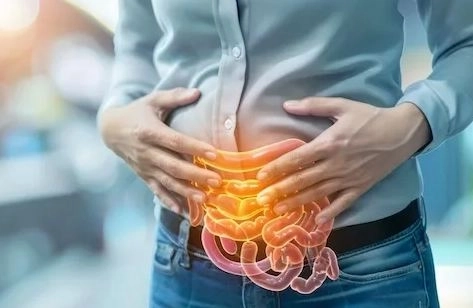
Irritable Bowel Syndrome and Colitis Diagnosis | Smouha Scope Center
Emphasizing the importance of medical accuracy, Smouha Scope Center explains that early diagnosis of irritable bowel syndrome (IBS) and colitis helps improve quality of life and reduce complications.
Irritable bowel syndrome and colitis are among the most common gastrointestinal disorders. They differ in nature, as IBS is a functional disorder, while colitis is an organic inflammatory condition that requires precise diagnosis using modern medical tests.
What Are Irritable Bowel Syndrome and Colitis?
Irritable bowel syndrome is a functional intestinal disorder that causes abdominal pain, bloating, and changes in bowel habits. Colitis, on the other hand, is an organic condition caused by chronic or immune-related inflammation of the intestinal wall. Smouha Scope Center confirms that distinguishing between the two conditions is essential for selecting the appropriate treatment.
Symptoms of Irritable Bowel Syndrome and Colitis
Smouha Scope Center stresses the importance of recognizing early symptoms to prevent worsening of the condition.
Common symptoms include:
Recurrent abdominal pain.
Bloating and gas.
Chronic diarrhea or constipation.
Loss of appetite.
Mucus in stool.
Weight loss in chronic inflammatory cases.
Diagnostic Methods for IBS and Colitis
Smouha Scope Center explains that diagnosis relies on clinical examination, endoscopy, and accurate laboratory tests.
Diagnostic methods include:
Colonoscopy.
Stool analysis.
Blood tests for inflammation.
CT scans in some cases.
Exclusion of similar organic diseases.
Causes of IBS and Colitis
Smouha Scope Center warns that identifying the underlying cause helps determine the correct treatment.
Causes include:
Stress and psychological pressure.
Immune system disorders.
Bacterial or viral infections.
Unhealthy dietary habits.
Genetic factors in some chronic inflammatory cases.
Treatment of IBS and Colitis
Smouha Scope Center confirms that treatment varies depending on the type and severity of the condition.
Treatment includes:
Medications that regulate bowel movement.
Anti-inflammatory drugs for organic cases.
Dietary modifications.
Anti-bloating and antispasmodic medications.
Regular follow-up to assess the condition.
Role of Colonoscopy in Diagnosis
Smouha Scope Center emphasizes that colonoscopy is the most accurate method for diagnosing colitis.
Colonoscopy allows direct visualization of the colon lining and enables precise tissue sampling, which helps in forming an effective treatment plan.
Prevention of IBS and Colitis
Smouha Scope Center stresses the importance of prevention through a healthy lifestyle.
Preventive measures include:
Reducing stress and anxiety.
Maintaining a balanced healthy diet.
Drinking enough water.
Avoiding foods that trigger symptoms.