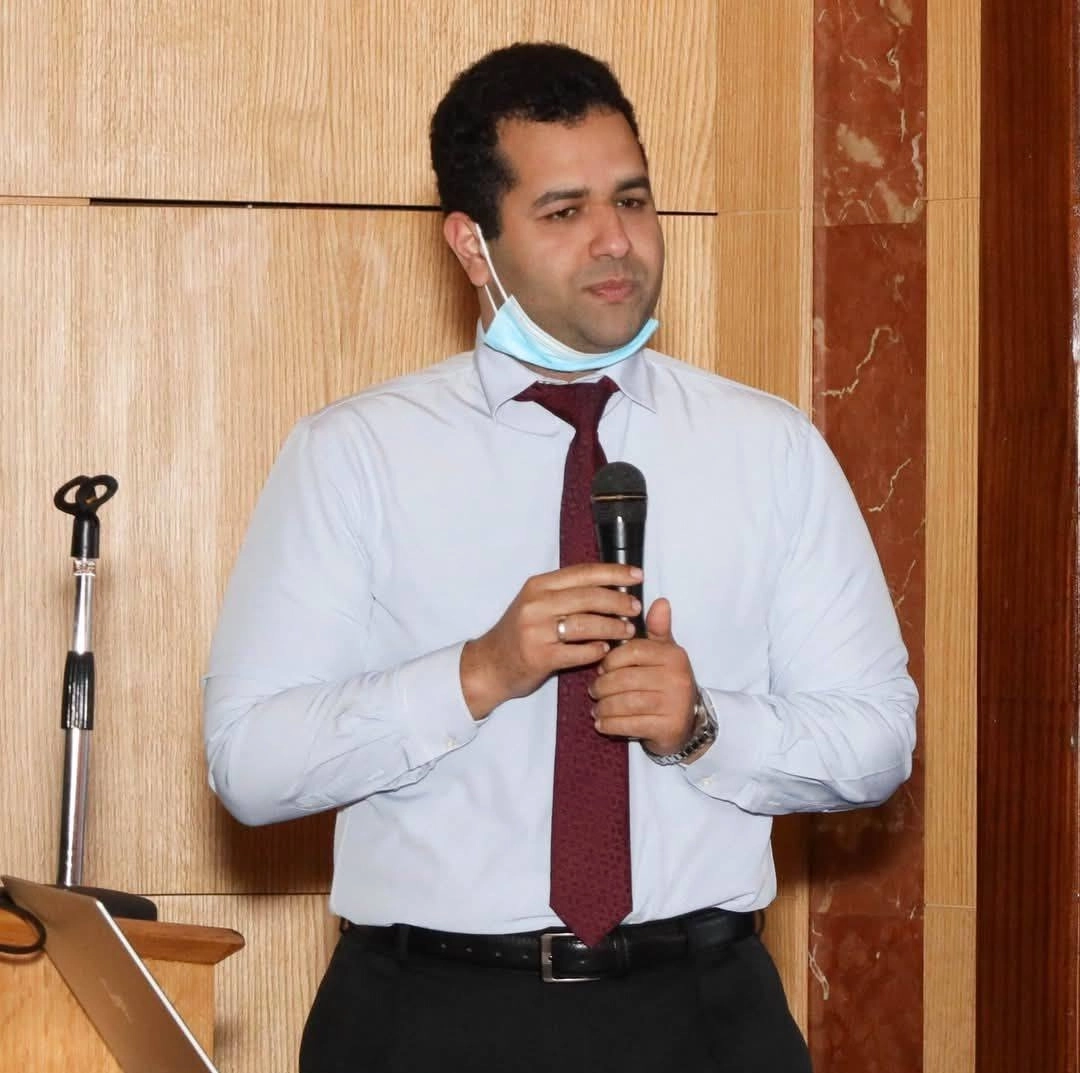

Published on: 2026-06-17 | Written by: Dr. Mohamed Dweidar Gastroenterology
Importance of Diagnosing Gastric and Duodenal Ulcers
Emphasizing the importance of medical accuracy, Dr. Mohamed Dweidar explains that early diagnosis of gastric and duodenal ulcers is a crucial step to prevent serious complications such as bleeding or stomach perforation.
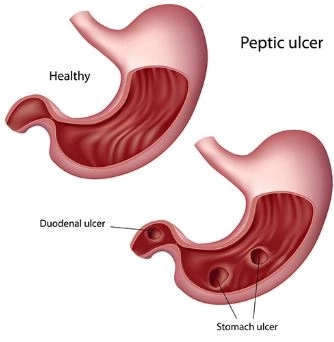
Gastric and duodenal ulcers are erosions or sores that affect the lining of the stomach or the first part of the small intestine, resulting from increased stomach acid or infection with H. pylori bacteria. They may cause uncomfortable symptoms that significantly affect quality of life.
What Are Gastric and Duodenal Ulcers?
A gastric or duodenal ulcer is damage to the mucosal lining of the digestive system caused by an imbalance between aggressive acidic factors and the protective mechanisms of the stomach. Dr. Mohamed Dweidar confirms that accurate diagnosis helps identify the underlying cause and establish an appropriate treatment plan.
Symptoms of Gastric and Duodenal Ulcers
Dr. Mohamed Dweidar emphasizes the importance of recognizing early symptoms to avoid complications.
Common symptoms include:
Burning pain in the stomach area.
Bloating and gas.
Nausea or vomiting.
Loss of appetite.
Weight loss in some cases.
Pain that improves or worsens with food intake.
Diagnostic Methods for Gastric and Duodenal Ulcers
Dr. Mohamed Dweidar explains that diagnosis mainly relies on precise investigations and gastrointestinal endoscopy.
Diagnostic methods include:
Diagnostic gastroscopy.
H. pylori infection test.
Imaging or contrast studies in some cases.
Blood tests to assess the overall condition.
Causes of Gastric and Duodenal Ulcers
Dr. Mohamed Dweidar warns that identifying the underlying cause is essential for selecting the correct treatment.
Common causes include:
H. pylori infection.
Excessive use of painkillers (NSAIDs).
Smoking.
Stress and psychological pressure.
Increased gastric acid secretion.
Treatment of Gastric and Duodenal Ulcers
Dr. Mohamed Dweidar confirms that treatment depends on the underlying cause and severity of the condition.
Treatment includes:
Acid-reducing medications.
Antibiotic therapy for H. pylori.
Medications that protect the stomach lining.
Lifestyle and dietary modifications.
Role of Endoscopy in Treatment
Dr. Mohamed Dweidar explains that endoscopy plays an important role in both diagnosis and treatment.
Endoscopy can be used to stop bleeding caused by ulcers or to take precise biopsies from the stomach lining to determine the exact cause.
Prevention of Gastric and Duodenal Ulcers
Dr. Mohamed Dweidar stresses the importance of prevention to avoid recurrence.
Preventive measures include:
Avoiding painkillers without medical advice.
Quitting smoking.
Reducing spicy and fatty foods.