
Published on: 2026-06-17 | Written by: Digestive Endoscopy Center Professor Dr Nabil Dweidar
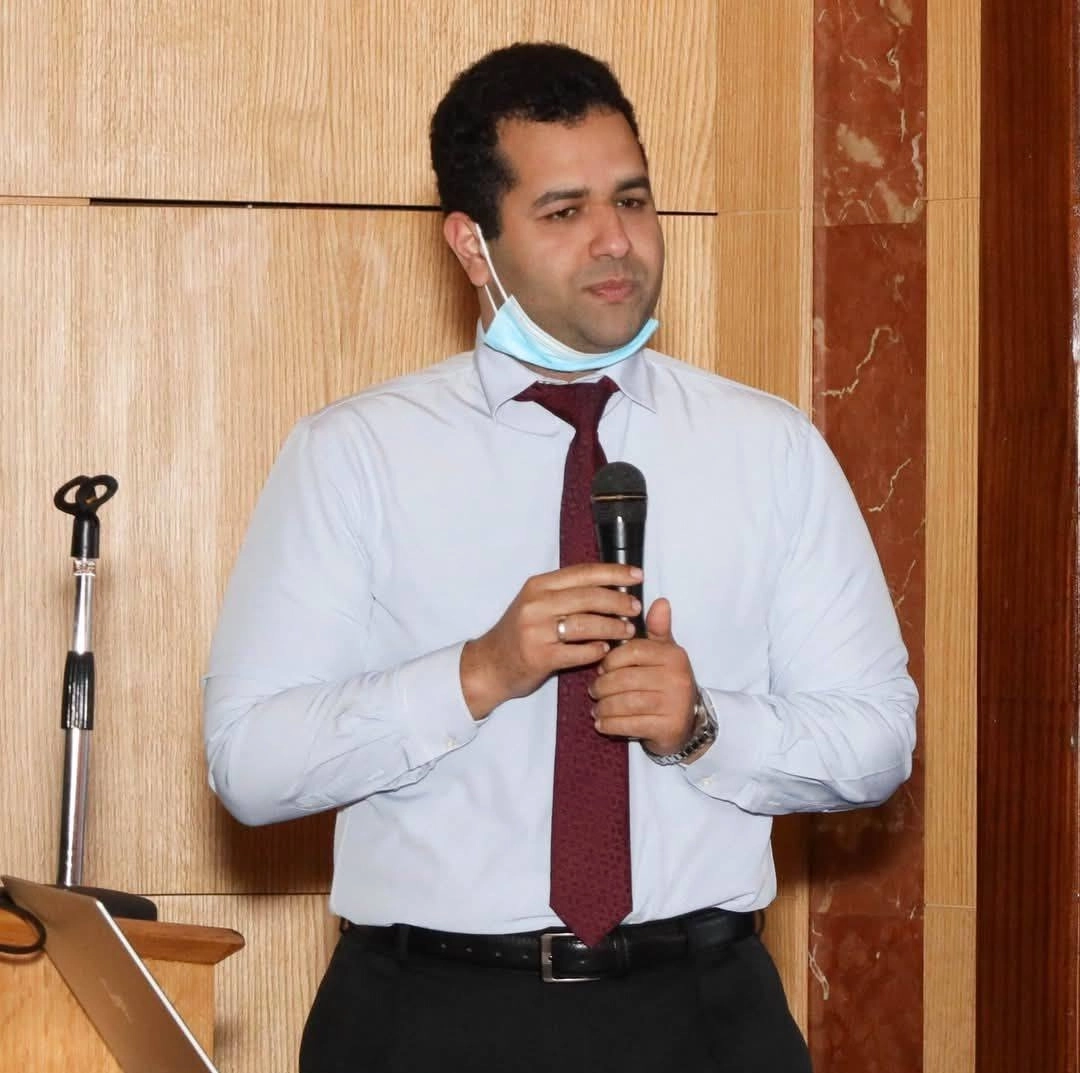
Professor Dr. Nabil Dweidar, Professor of Gastrointestinal Surgery and Endoscopy at the Medical Research Institute, Alexandria University, emphasizes that maintaining liver health is essential for preserving overall bodily functions and preventing many chronic diseases.
ــــــــــــــــــــــــــــــــــــــــــــــــــــــــــــــــــــــــــــــــــــــــــــــ
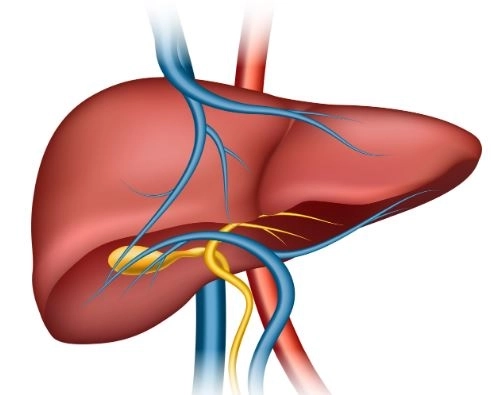
The liver performs numerous vital functions that help the body operate efficiently, including:
Detoxifying the blood from harmful substances and toxins
Producing bile needed for fat digestion
Storing essential vitamins and minerals
Regulating blood sugar levels
Producing proteins responsible for blood clotting
Metabolizing drugs and hormones
Supporting the immune system and fighting infections
Dr. Nabil Dweidar explains that the liver has a remarkable ability to regenerate, but neglecting liver-related health problems may lead to progressive deterioration of its function.
ــــــــــــــــــــــــــــــــــــــــــــــــــــــــــــــــــــــــــــــــــــــــــــــ
There are many diseases that can affect the liver, including:
Fatty liver disease
Viral hepatitis
Liver cirrhosis
Liver failure
Liver tumors
Bile duct disorders
Autoimmune liver diseases
Dr. Nabil Dweidar emphasizes that early diagnosis of liver diseases significantly improves treatment outcomes and reduces complications.
ــــــــــــــــــــــــــــــــــــــــــــــــــــــــــــــــــــــــــــــــــــــــــــــ
The causes vary depending on the type of liver condition, but common risk factors include:
Viral hepatitis infections
Obesity and overweight
Diabetes mellitus
High blood lipid levels
Excessive use of medications without medical supervision
Exposure to toxic substances
Genetic factors
Autoimmune disorders
Unhealthy diet
Dr. Nabil Dweidar notes that lifestyle modification and management of risk factors can significantly reduce the likelihood of developing many liver diseases.
ــــــــــــــــــــــــــــــــــــــــــــــــــــــــــــــــــــــــــــــــــــــــــــــ
In early stages, symptoms may not be obvious. However, as the condition progresses, patients may experience:
Persistent fatigue
Loss of appetite
Nausea and vomiting
Pain or heaviness in the upper right abdomen
Yellowing of the skin and eyes (jaundice)
Dark-colored urine
Swelling in the legs or abdomen
Itchy skin
Dr. Nabil Dweidar confirms that the appearance of these symptoms requires medical evaluation to determine the underlying cause.
ــــــــــــــــــــــــــــــــــــــــــــــــــــــــــــــــــــــــــــــــــــــــــــــ
Diagnosis involves several steps, including:
Reviewing the patient’s medical history
Clinical examination
Liver function tests
Viral hepatitis screening
Abdominal ultrasound
CT scan or MRI when needed
Liver biopsy in some cases
Dr. Nabil Dweidar explains that selecting the appropriate diagnostic tests depends on the patient’s condition and symptoms.
ــــــــــــــــــــــــــــــــــــــــــــــــــــــــــــــــــــــــــــــــــــــــــــــ
Treatment depends on the type and severity of the disease and may include:
Medications are used to treat viral infections and manage symptoms and complications.
Includes weight loss, regular exercise, and maintaining a healthy diet.
Some cases may require endoscopic or surgical interventions to manage complications.
Liver transplantation is considered for advanced cases of liver failure.
Dr. Nabil Dweidar emphasizes that adherence to treatment plans and regular follow-up significantly improves patients’ quality of life and reduces complications.
ــــــــــــــــــــــــــــــــــــــــــــــــــــــــــــــــــــــــــــــــــــــــــــــ
To maintain a healthy liver and prevent disease, it is recommended to:
Follow a balanced and healthy diet
Maintain a healthy body weight
Exercise regularly
Avoid self-medication
Receive recommended vaccinations against hepatitis viruses
Undergo regular medical check-ups, especially for high-risk individuals
Avoid exposure to harmful chemicals
ــــــــــــــــــــــــــــــــــــــــــــــــــــــــــــــــــــــــــــــــــــــــــــــ
Medical consultation is necessary when persistent symptoms appear, such as jaundice, abdominal pain, loss of appetite, or severe fatigue. Early diagnosis plays a crucial role in preventing disease progression and improving treatment outcomes.
In conclusion, the liver is an essential organ that plays a central role in maintaining overall health. Adopting a healthy lifestyle, undergoing regular check-ups, and seeking medical advice when symptoms appear are key steps in preventing liver diseases and preserving liver function.