

Published on: 2026-06-17 | Written by: Recovery Center for Physiotherapy
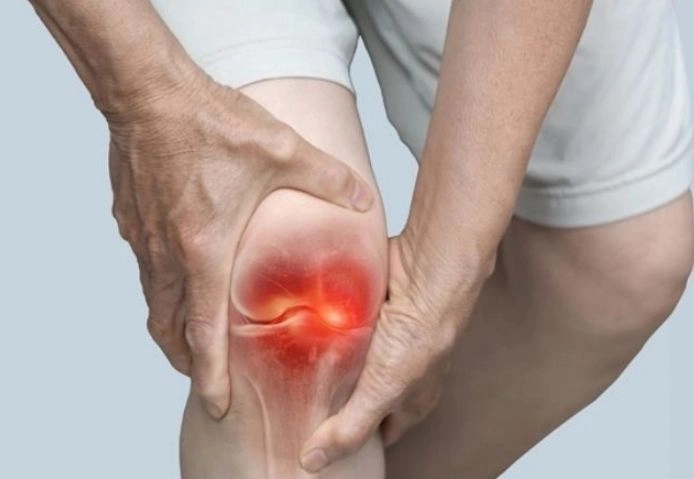
What Is Knee and Joint Osteoarthritis?
Ta3afy Physical Therapy Center confirms that knee and joint osteoarthritis occurs as a result of cartilage wear that covers the ends of bones inside the joint, leading to increased friction between bones, pain, swelling, and difficulty moving. The knee is considered one of the joints most vulnerable to osteoarthritis because it constantly bears body weight during movement and walking.
Causes of Knee and Joint Osteoarthritis
Ta3afy Physical Therapy Center explains that the causes of knee and joint osteoarthritis are varied. It may occur due to aging, excess weight, previous injuries, or weakness of the muscles surrounding the joint. Daily unhealthy habits may also increase pressure on the knee and worsen symptoms.
Symptoms of Knee and Joint Osteoarthritis
Ta3afy Physical Therapy Center warns that the symptoms of knee and joint osteoarthritis may begin gradually and worsen over time. Symptoms include persistent or recurring knee pain, difficulty moving, stiffness especially in the morning, cracking sounds during movement, swelling, and reduced ability to walk for long distances.
How Is Knee and Joint Osteoarthritis Treated?
Ta3afy Physical Therapy Center emphasizes that the treatment of knee and joint osteoarthritis depends on accurate diagnosis and the severity of the condition. Physical therapy, rehabilitation exercises, and strengthening the muscles around the joint help reduce pain, improve movement, and increase joint flexibility.
When Should You Visit a Physical Therapy Specialist?
Ta3afy Physical Therapy Center warns that visiting a physical therapy specialist is necessary when knee pain persists or when there is difficulty moving or swelling in the joint, as early diagnosis helps reduce complications and improve treatment outcomes.
Tips for Preventing Knee and Joint Osteoarthritis
Ta3afy Physical Therapy Center confirms that maintaining a healthy weight, exercising regularly, strengthening muscles, and avoiding excessive pressure on the knee are among the most important ways to help prevent joint osteoarthritis and improve movement quality.