

Published on: 2026-06-10 | Written by: Dr. Osama Al-Bahr, Professor of Hepatology,
Gastric and Intestinal Ulcers and Gastroesophageal Reflux Disease (GERD): Causes, Symptoms, and Modern Treatment Approaches
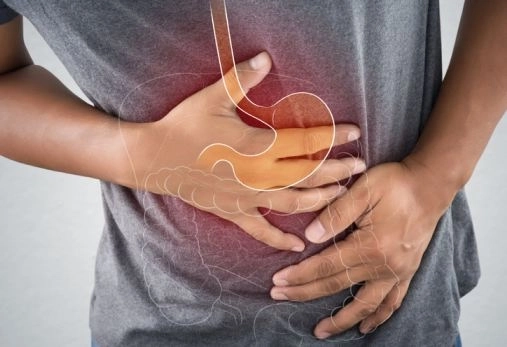
Gastric and intestinal ulcers, as well as gastroesophageal reflux disease (GERD), are among the most common digestive system disorders. These conditions can significantly affect a patient's quality of life and daily activities. They develop due to various gastrointestinal disturbances that may cause pain, heartburn, indigestion, and other health complications if not diagnosed and treated early.
Dr. Osama El Bahar Emphasizes the Importance of Early Diagnosis of Gastric and Intestinal Ulcers
Dr. Osama El Bahar emphasizes that early diagnosis of gastric and intestinal ulcers plays a crucial role in preventing serious complications such as gastrointestinal bleeding, stomach perforation, or intestinal obstruction. He also stresses the importance of seeking medical attention when experiencing persistent upper abdominal pain or unusual symptoms that last for an extended period.
Gastric ulcers occur when the protective lining of the stomach or the first part of the small intestine becomes damaged due to excessive acid production or infection with certain bacteria, particularly Helicobacter pylori (H. pylori). Without appropriate treatment, the condition may worsen over time.
H. pylori Infection Is One of the Leading Causes of Ulcers
Dr. Osama El Bahar confirms that H. pylori infection is one of the most common causes of gastric and intestinal ulcers. The bacteria weaken the stomach's protective barrier, allowing stomach acid to damage the lining and cause ulceration and inflammation.
He further confirms that excessive use of anti-inflammatory pain medications, smoking, psychological stress, and unhealthy dietary habits can significantly increase the risk of developing ulcers or worsening their symptoms.
Symptoms of Gastric and Intestinal Ulcers
Medical specialists explain that ulcer symptoms can vary depending on the severity and location of the ulcer. Common symptoms include:
Burning pain or discomfort in the upper abdomen.
Nausea and vomiting.
Bloating and indigestion.
Loss of appetite.
Unexplained weight loss.
Early satiety (feeling full quickly).
Dark-colored stools in advanced cases.
Vomiting blood in severe cases.
The Relationship Between Gastric Ulcers and GERD
Dr. Osama El Bahar explains that there is considerable overlap between the symptoms of gastric ulcers and GERD, which can make diagnosis challenging for some patients. GERD occurs when stomach acid flows back into the esophagus due to weakness of the lower esophageal sphincter, leading to heartburn and chest discomfort.
GERD Symptoms That Should Not Be Ignored
Dr. Osama El Bahar warns against ignoring recurring GERD symptoms, especially when they interfere with sleep or daily activities. Common symptoms of GERD include:
Frequent heartburn.
Burning sensation in the chest.
Regurgitation of food or stomach contents into the mouth.
Difficulty swallowing.
Chronic sore throat.
Persistent nighttime cough.
Recurrent hoarseness.
Bitter or acidic taste in the mouth.
Diagnostic Methods for Gastric Ulcers and GERD
Healthcare professionals stress the importance of thorough medical evaluation to determine the underlying cause of symptoms. Diagnostic methods may include:
Upper gastrointestinal endoscopy.
H. pylori testing.
Blood and stool tests.
Esophageal pH monitoring.
Specialized imaging studies when necessary.
These diagnostic tools help determine the severity of the condition and guide the most appropriate treatment plan for each patient.
Early Treatment Helps Prevent Complications
Dr. Osama El Bahar confirms that successful treatment of gastric ulcers, intestinal ulcers, and GERD depends on identifying the underlying cause. Treatment may include medications that reduce stomach acid production, eradication therapy for H. pylori infection when present, and lifestyle and dietary modifications.
He also emphasizes that adherence to the prescribed treatment plan and regular follow-up visits can significantly improve outcomes, reduce symptom recurrence, and prevent future complications.