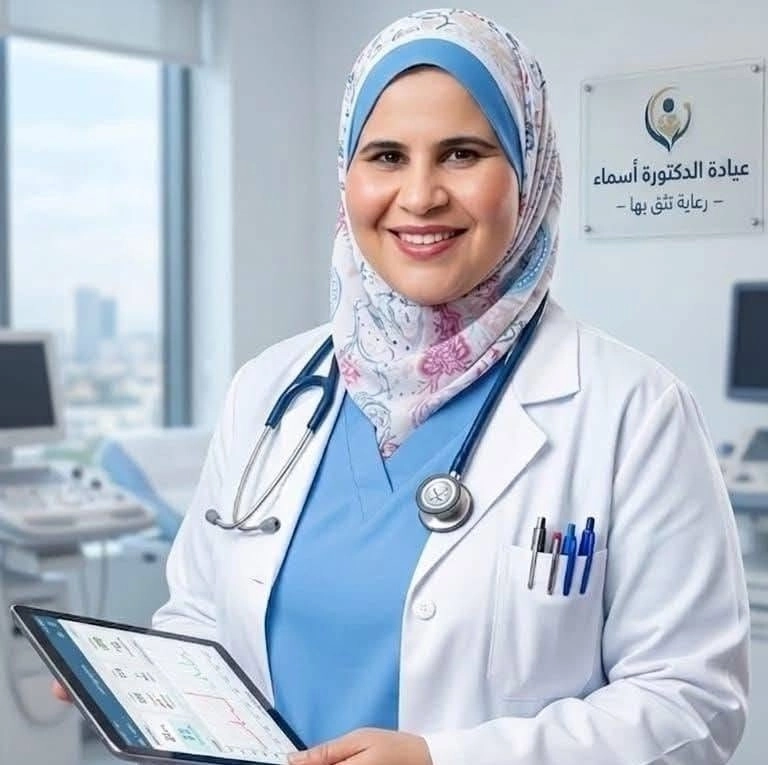

Published on: 2026-06-06 | Written by: Imad El-Din Khalifa Professor of Obstetrics

Treating Male and Female Infertility Using the Latest Technologies: Hope Is Closer Than Ever
Infertility is one of the medical conditions that affects millions of couples worldwide. Modern studies confirm that delayed conception may be caused by factors related to the woman, the man, or both partners. Therefore, accurate diagnosis and selecting the most appropriate treatment have become essential factors in achieving pregnancy. Dr. Emad El-Din Khalifa, Professor of Obstetrics, Gynecology, Infertility Treatment, and ICSI, confirms that the remarkable advancement in infertility treatment technologies over recent years has significantly increased success rates and provided hope for many couples who previously faced major challenges in conceiving.
What Is Infertility?
Dr. Emad El-Din Khalifa explains that infertility is defined as the inability to achieve pregnancy after one year of regular unprotected intercourse. However, investigations and treatment may begin earlier if the woman is over the age of 35 or if either partner has known medical conditions that may affect fertility.
Causes of Female Infertility
Specialists emphasize that several factors can contribute to delayed pregnancy in women, including:
Ovulation disorders.
Polycystic Ovary Syndrome (PCOS).
Endometriosis.
Blocked fallopian tubes.
Chronic pelvic infections.
Uterine fibroids.
Congenital uterine abnormalities.
Thyroid and hormonal disorders.
Dr. Emad El-Din Khalifa confirms that early diagnosis of these conditions plays a crucial role in selecting the most effective treatment plan and achieving the best possible outcomes.
Causes of Male Infertility
Experts explain that male infertility can result from various factors, including:
Low sperm count.
Poor sperm motility or abnormal sperm morphology.
Varicocele.
Chronic reproductive tract infections.
Hormonal disorders.
Genetic and hereditary factors.
Smoking, obesity, and unhealthy lifestyle habits.
The Latest Technologies Used in Infertility Treatment
Ovulation Induction Therapy
Dr. Emad El-Din Khalifa explains that some infertility cases can be successfully treated through ovulation-stimulating medications combined with careful ultrasound monitoring, helping improve the chances of natural conception.
Intrauterine Insemination (IUI)
IUI is considered an effective treatment option for selected mild to moderate infertility cases. The procedure involves preparing and concentrating sperm before placing it directly inside the uterus at the optimal time of ovulation.
Intracytoplasmic Sperm Injection (ICSI)
Dr. Emad El-Din Khalifa emphasizes that ICSI is one of the most successful techniques for treating both male and female infertility. During the procedure, a single sperm is carefully injected directly into an egg under a microscope to maximize the chances of fertilization.
In Vitro Fertilization (IVF)
IVF is a highly advanced fertility treatment that helps couples experiencing blocked fallopian tubes or unexplained infertility. Eggs are fertilized outside the body, and the resulting embryos are then transferred into the uterus.
Preimplantation Genetic Testing (PGT)
Dr. Emad El-Din Khalifa points out that modern reproductive technologies now allow embryos to undergo genetic screening before transfer. This helps reduce the risk of inherited genetic disorders and improves the likelihood of a healthy pregnancy.
Advanced Minimally Invasive Endoscopic Surgery
Experts confirm that hysteroscopy and laparoscopy have become among the most important diagnostic and therapeutic tools in infertility management. These procedures can effectively treat adhesions, remove endometriosis, and correct certain uterine abnormalities without the need for major surgery.
The Importance of Accurate Diagnosis Before Treatment
Dr. Emad El-Din Khalifa stresses that successful infertility treatment does not depend solely on advanced technologies. It begins with a thorough and accurate evaluation of both partners, as choosing the right treatment for each individual case is the key factor in achieving the best possible results.