
Published on: 2026-06-03 | Written by: Dr. Tarif Osama Salam Consultant Cardiologist
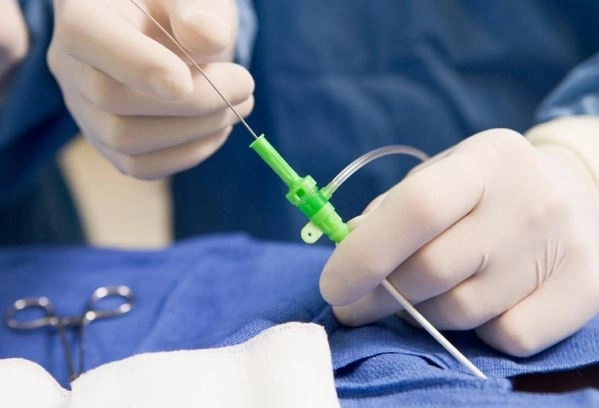
Cardiac interventional catheterization is considered one of the most significant advances in modern cardiology. It has helped save the lives of millions of patients worldwide by treating narrowed or blocked coronary arteries without the need for open-heart surgery in many cases. This procedure is known for its high precision and faster recovery compared to traditional surgical methods. Dr. Tarif Osama emphasizes that interventional cardiac catheterization has become one of the safest and most effective procedures for treating various heart and vascular diseases.
━━━━━━━━━━━━━━━━━━━━━━━━━━━━━━━━━━━━
Cardiac interventional catheterization is a medical procedure in which a thin, flexible tube is inserted through a blood vessel in the arm or groin and guided to the coronary arteries. Advanced tools and techniques are then used to treat areas of narrowing or blockage and restore proper blood flow to the heart muscle. Dr. Tarif Osama confirms that interventional catheterization represents a major breakthrough in the treatment of heart disease and the prevention of complications caused by blocked arteries.
━━━━━━━━━━━━━━━━━━━━━━━━━━━━━━━━━━━━
A patient may require interventional catheterization in cases of angina, coronary artery narrowing, acute heart attacks, or when diagnostic tests indicate reduced blood flow to the heart muscle. Dr. Tarif Osama explains that accurate patient evaluation helps determine the appropriate timing for intervention and ensures the best possible outcomes.
━━━━━━━━━━━━━━━━━━━━━━━━━━━━━━━━━━━━
The procedure begins with local anesthesia at the catheter insertion site. The catheter is then guided to the coronary arteries using imaging technology. After identifying the narrowed or blocked area, the artery is widened using a special balloon, and in most cases, a stent is placed to keep the artery open and improve blood flow. Dr. Tarif Osama emphasizes that major advances in catheterization technology have significantly increased success rates and reduced hospital stays.
━━━━━━━━━━━━━━━━━━━━━━━━━━━━━━━━━━━━
This procedure offers many advantages, including the absence of large surgical incisions, faster recovery, reduced post-procedure discomfort, shorter hospitalization, and a quicker return to normal daily activities. It also provides an effective treatment option for many cases of coronary artery disease.
━━━━━━━━━━━━━━━━━━━━━━━━━━━━━━━━━━━━
Several types of stents are available, including bare-metal stents and drug-eluting stents, which help reduce the likelihood of artery re-narrowing. Dr. Tarif Osama points out that the choice of stent depends on the patient's overall condition, the severity of the blockage, and its location within the artery.
━━━━━━━━━━━━━━━━━━━━━━━━━━━━━━━━━━━━
Most patients are able to leave the hospital within a short period after the procedure. However, it is important to adhere to prescribed medications and follow medical recommendations regarding diet and physical activity. Dr. Tarif Osama confirms that regular follow-up after catheterization plays a vital role in maintaining treatment success and reducing the risk of future complications.
━━━━━━━━━━━━━━━━━━━━━━━━━━━━━━━━━━━━
Following a successful catheterization procedure, patients should focus on lifestyle modifications, including smoking cessation, controlling blood pressure, blood sugar, and cholesterol levels, engaging in regular physical activity, and maintaining a healthy diet. Routine follow-up with a cardiologist is also essential for monitoring heart and vascular health.
━━━━━━━━━━━━━━━━━━━━━━━━━━━━━━━━━━━━