
Published on: 2026-06-03 | Written by: Dr. Tarif Osama Salam Consultant Cardiologist
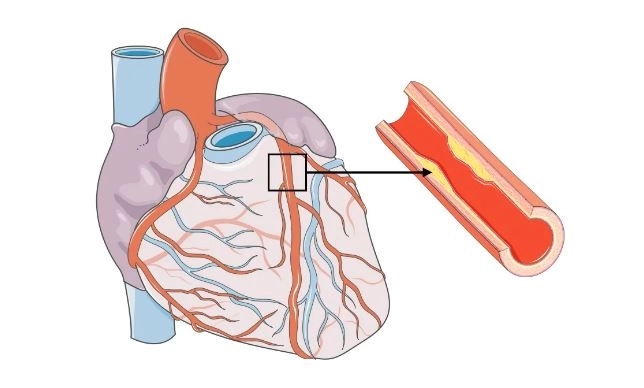
Coronary artery disease is one of the most common and serious heart conditions. It occurs when the arteries responsible for supplying blood and oxygen to the heart muscle become narrowed or blocked. When the heart muscle does not receive an adequate blood supply, patients may experience various symptoms ranging from chest pain to severe complications such as heart attacks. Dr. Tarif Osama emphasizes that early detection of coronary artery disease plays a crucial role in protecting the heart muscle and reducing the risk of serious complications.
━━━━━━━━━━━━━━━━━━━━━━━━━━━━━━━━━━━━
Coronary artery disease is a condition caused by the buildup of الدهون والكوليسترول (fatty deposits and cholesterol plaques) inside the walls of the coronary arteries, leading to narrowing of the vessels and reduced blood flow to the heart muscle. The condition may develop gradually over many years without obvious symptoms in its early stages. Dr. Tarif Osama explains that this disease is one of the leading causes of angina and heart attacks if not properly managed.
━━━━━━━━━━━━━━━━━━━━━━━━━━━━━━━━━━━━
Several factors increase the risk of developing coronary artery disease, including high blood pressure, elevated cholesterol levels, diabetes, smoking, obesity, physical inactivity, and a family history of heart disease. Dr. Tarif Osama confirms that controlling these risk factors significantly contributes to preventing coronary artery disease and maintaining long-term cardiovascular health.
━━━━━━━━━━━━━━━━━━━━━━━━━━━━━━━━━━━━
Symptoms may vary from one person to another, but the most common is chest pain or pressure, especially during physical exertion or emotional stress. Other symptoms may include shortness of breath, extreme fatigue, excessive sweating, and pain that radiates to the arm, jaw, or back. Dr. Tarif Osama points out that some patients, particularly those with diabetes, may experience atypical or subtle symptoms, making regular medical follow-up essential.
━━━━━━━━━━━━━━━━━━━━━━━━━━━━━━━━━━━━
Diagnosis depends on the patient’s medical history, physical examination, and several important diagnostic tests such as electrocardiography (ECG), echocardiography (Echo), stress testing, coronary CT angiography, or diagnostic cardiac catheterization. Dr. Tarif Osama emphasizes that accurate diagnosis is essential for selecting the most appropriate treatment plan based on the severity of arterial blockage and the patient’s overall health condition.
━━━━━━━━━━━━━━━━━━━━━━━━━━━━━━━━━━━━
Treatment depends on the severity of the disease and symptoms. It may include lifestyle modifications, a heart-healthy diet, regular physical activity, and medications that improve blood flow and reduce strain on the heart. In some cases, patients may require coronary angioplasty with stent placement or coronary artery bypass graft surgery (CABG). Dr. Tarif Osama explains that the most suitable treatment option is determined through a comprehensive evaluation of each patient.
━━━━━━━━━━━━━━━━━━━━━━━━━━━━━━━━━━━━
Cardiac catheterization is one of the most advanced and effective methods used in both the diagnosis and treatment of coronary artery disease. It allows physicians to visualize the coronary arteries accurately, identify areas of blockage, and often treat them through stent placement during the same procedure. Advances in catheterization techniques have significantly improved outcomes and reduced the need for open-heart surgery in many patients.
━━━━━━━━━━━━━━━━━━━━━━━━━━━━━━━━━━━━
The risk of developing coronary artery disease can be reduced by quitting smoking, controlling blood pressure, blood sugar, and cholesterol levels, maintaining a healthy weight, engaging in regular physical activity, and following a balanced diet rich in fruits and vegetables. Regular health screenings also help identify risk factors before the disease progresses.
━━━━━━━━━━━━━━━━━━━━━━━━━━━━━━━━━━━━