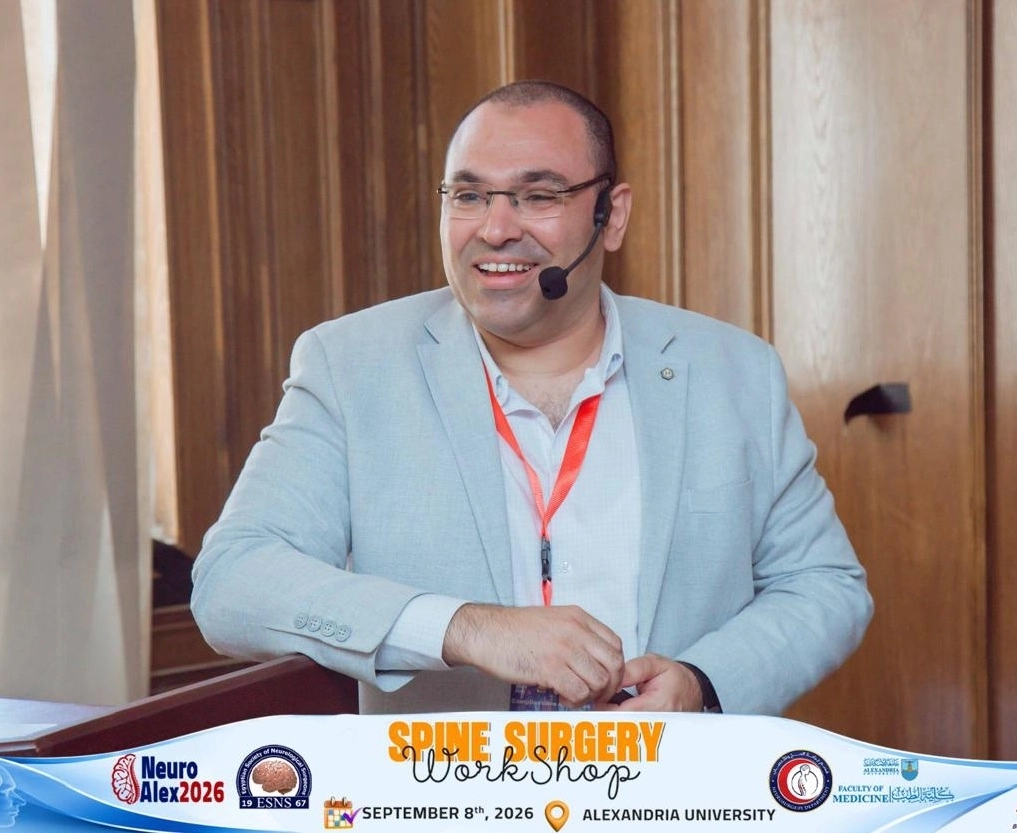
Published on: 2026-06-02 | Written by: Dr. Ahmed Ismail Ashour Consultant Neurosurgeon
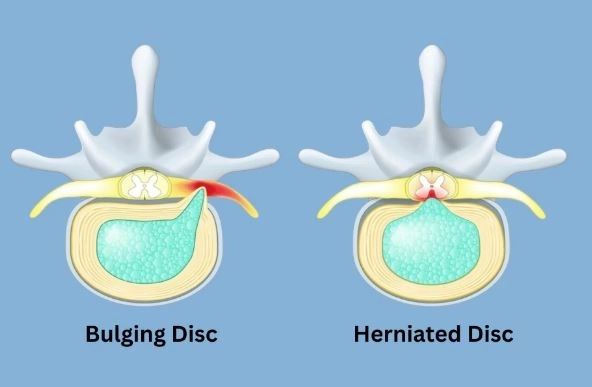
A herniated disc is one of the most common spinal disorders. It occurs when part of the disc between the vertebrae protrudes from its normal position, putting pressure on nearby nerves and causing pain that may extend to the arms or legs depending on the location of the condition. A herniated disc can significantly affect mobility and daily activities. Dr. Ahmed Ismail Ashour emphasizes that early diagnosis of a herniated disc helps prevent complications and achieve better treatment outcomes.
━━━━━━━━━━━━━━━━━━━━━━━━━━━━━━━━━━━━
A herniated disc occurs when the inner portion of a spinal disc pushes outward due to wear, degeneration, or injury, causing pressure on surrounding nerves. A herniated disc may occur in the neck or lower back, and symptoms vary depending on the affected area. Dr. Ahmed Ismail Ashour confirms that understanding the nature of the condition helps patients adhere to the most appropriate treatment plan.
━━━━━━━━━━━━━━━━━━━━━━━━━━━━━━━━━━━━
Several factors can contribute to a herniated disc, including aging, improper lifting of heavy objects, prolonged sitting, obesity, direct spinal injuries, and weakness of the muscles that support the back. Dr. Ahmed Ismail Ashour explains that maintaining a healthy lifestyle can significantly reduce the risk of developing this condition.
━━━━━━━━━━━━━━━━━━━━━━━━━━━━━━━━━━━━
Symptoms vary according to the location of the affected disc, but the most common include back or neck pain, numbness or tingling in the limbs, muscle weakness, and difficulty moving. Some patients may experience pain radiating into the legs or arms due to nerve compression. Dr. Ahmed Ismail Ashour emphasizes that persistent symptoms require medical evaluation and proper assessment.
━━━━━━━━━━━━━━━━━━━━━━━━━━━━━━━━━━━━
Diagnosis is based on a clinical examination and the patient’s medical history, along with imaging studies such as X-rays and MRI scans, which help determine the location of the herniation and its effect on surrounding nerves. Dr. Ahmed Ismail Ashour points out that accurate diagnosis is the foundation for selecting the most appropriate treatment for each patient.
━━━━━━━━━━━━━━━━━━━━━━━━━━━━━━━━━━━━
Treatment options depend on the severity of the condition and may include temporary rest, anti-inflammatory medications, physical therapy, and muscle-strengthening exercises. In some cases, local injections or advanced interventional procedures may be recommended. Dr. Ahmed Ismail Ashour confirms that most herniated disc cases can be successfully treated without surgery when diagnosed early.
━━━━━━━━━━━━━━━━━━━━━━━━━━━━━━━━━━━━
Surgery may be necessary when symptoms do not improve with conservative treatment or when severe nerve compression causes weakness, mobility problems, or loss of certain neurological functions. With major advances in spinal surgery and minimally invasive techniques, surgical procedures have become more precise and recovery times have become shorter than ever before.
━━━━━━━━━━━━━━━━━━━━━━━━━━━━━━━━━━━━
The risk of developing a herniated disc can be reduced by maintaining a healthy weight, exercising regularly, avoiding improper lifting techniques, and maintaining correct posture while sitting and working. Strengthening the back and abdominal muscles also helps support the spine and reduce stress on the vertebrae.
━━━━━━━━━━━━━━━━━━━━━━━━━━━━━━━━━━━━