Published on: 2026-06-02 | Written by: Dr. Ahmed Ismail Ashour Consultant Neurosurgeon
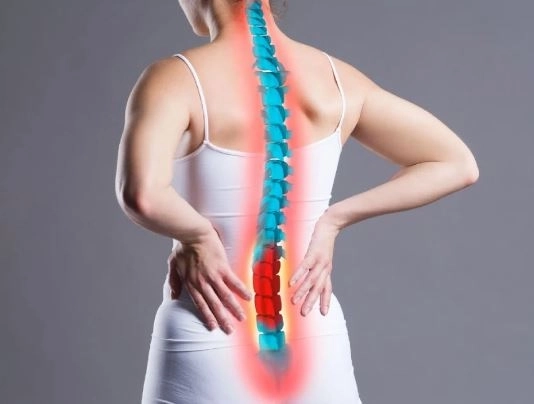
Sciatica is one of the most common neurological conditions that causes severe pain extending from the lower back to the buttocks and legs. It can significantly affect mobility and daily activities. Sciatica occurs as a result of irritation or compression of the sciatic nerve, which is the longest nerve in the human body. Dr. Ahmed Ismail Ashour emphasizes that early diagnosis and treatment of sciatica help prevent complications, improve recovery rates, and allow patients to return to their normal lives more quickly.
━━━━━━━━━━━━━━━━━━━━━━━━━━━━━━━━━━━━
Sciatica refers to a group of symptoms caused by irritation or compression of the sciatic nerve, which extends from the lower spine through the pelvis and buttocks down to the feet. Dr. Ahmed Ismail Ashour confirms that sciatica is not a disease itself but rather a symptom of an underlying condition affecting the sciatic nerve.
━━━━━━━━━━━━━━━━━━━━━━━━━━━━━━━━━━━━
There are many causes that may lead to sciatica, including herniated discs, spinal canal stenosis, degenerative spinal changes, spinal injuries, and direct pressure on nerve roots. Dr. Ahmed Ismail Ashour explains that identifying the exact cause of pain is the first step in developing an effective treatment plan.
━━━━━━━━━━━━━━━━━━━━━━━━━━━━━━━━━━━━
Symptoms vary from person to person, but the most common include pain radiating from the lower back to the leg, numbness or tingling sensations, muscle weakness, and difficulty standing or moving for long periods. Dr. Ahmed Ismail Ashour emphasizes that persistent symptoms should be evaluated by a specialist to determine the appropriate course of treatment.
━━━━━━━━━━━━━━━━━━━━━━━━━━━━━━━━━━━━
Diagnosis depends on medical history, clinical examination, and imaging studies such as X-rays and MRI scans to identify the source of nerve compression. Dr. Ahmed Ismail Ashour points out that accurate diagnosis is essential for selecting the most appropriate treatment and avoiding unnecessary interventions.
━━━━━━━━━━━━━━━━━━━━━━━━━━━━━━━━━━━━
Treatment depends on the underlying cause and severity of symptoms. It may include medications to reduce pain and inflammation, physical therapy to improve mobility and strengthen muscles, and certain interventional procedures in advanced cases. Dr. Ahmed Ismail Ashour confirms that most cases of sciatica improve with proper treatment without the need for surgery.
━━━━━━━━━━━━━━━━━━━━━━━━━━━━━━━━━━━━
Surgery may be required in cases involving severe nerve compression, progressive muscle weakness, or loss of certain neurological functions. Dr. Ahmed Ismail Ashour explains that significant advances in spinal surgery and minimally invasive techniques have led to excellent outcomes with shorter recovery periods.
━━━━━━━━━━━━━━━━━━━━━━━━━━━━━━━━━━━━
The risk of developing sciatica can be reduced by maintaining a healthy weight, exercising regularly, avoiding prolonged sitting, and following proper posture during work and daily activities. Dr. Ahmed Ismail Ashour emphasizes that prevention plays a vital role in protecting the spine and nerves from chronic problems.
━━━━━━━━━━━━━━━━━━━━━━━━━━━━━━━━━━━━