

Published on: 2026-05-25 | Written by: Dr Saeed Mahmoud Abdel-Mottaleb Senior Consultant
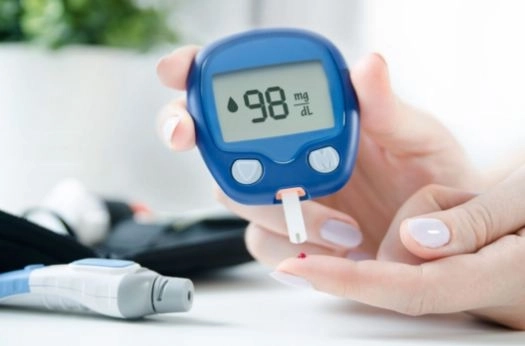
Blood Sugar Control and Its Importance in Preventing Health Complications
Dr. Saeed Mahmoud Abdel Motaleb emphasizes that maintaining proper blood sugar levels is one of the most essential factors for preserving overall health and preventing complications of diabetes, as poor control may lead to serious long-term effects on the heart, kidneys, nerves, and eyes.
Diabetes is a chronic condition that requires continuous monitoring, where successful management depends largely on the patient’s commitment to a healthy lifestyle alongside appropriate medical treatment under the supervision of an endocrinology and diabetes specialist.
Why Is Blood Sugar Control Important?
Dr. Saeed Mahmoud Abdel Motaleb explains that keeping blood sugar within normal ranges significantly reduces the risk of complications and improves the patient’s quality of life, while also preventing sudden spikes or drops in glucose levels.
Blood sugar control is not limited to medication alone; it involves a comprehensive approach including proper nutrition, physical activity, and regular medical testing.
Causes of Blood Sugar Imbalance
Dr. Saeed Mahmoud Abdel Motaleb confirms that blood sugar fluctuations may occur due to several factors, including:
Poor adherence to prescribed medication
Excessive intake of sugars and carbohydrates
Lack of physical activity
Stress and psychological pressure
Obesity or overweight
Hormonal disorders or endocrine diseases
These factors directly affect the body’s ability to regulate blood glucose levels.
Symptoms of High Blood Sugar
Dr. Saeed Mahmoud Abdel Motaleb warns that high blood sugar can cause noticeable symptoms that should not be ignored, such as:
Excessive thirst
Frequent urination
Persistent fatigue
Unexplained weight loss
Poor concentration
Slow wound healing
Blurred vision
If left untreated, these symptoms may lead to serious complications.
Symptoms of Low Blood Sugar
Dr. Saeed Mahmoud Abdel Motaleb emphasizes that low blood sugar can be a medical emergency in some cases, and its symptoms include:
Excessive sweating
Dizziness and lightheadedness
Tremors
Sudden hunger
Rapid heartbeat
Difficulty concentrating
Loss of consciousness in severe cases
Immediate action is necessary to prevent serious health risks.
Methods of Blood Sugar Control
Dr. Saeed Mahmoud Abdel Motaleb explains that controlling blood sugar depends on several key factors, including:
Adherence to medication or insulin therapy
Following a healthy and balanced diet
Reducing simple sugars and refined carbohydrates
Regular physical exercise
Frequent blood sugar monitoring
Maintaining a healthy body weight
These steps greatly help in stabilizing blood glucose levels.
The Role of Medical Follow-Up in Diabetes Management
Dr. Saeed Mahmoud Abdel Motaleb confirms that regular medical follow-up is essential for successful treatment, as it allows for adjusting medication doses and detecting early changes in blood sugar levels, thereby reducing the risk of long-term complications.