

Published on: 2026-05-25 | Written by: Dr Saeed Mahmoud Abdel-Mottaleb Senior Consultant
Parathyroid Gland Disorders and Calcium Imbalance: Causes, Symptoms, and Treatment
Dr. Saeed Mahmoud Abdel Motaleb emphasizes that parathyroid gland disorders are important health conditions that can directly affect the health of the bones, nerves, and muscles, as these small glands play a vital role in regulating calcium levels in the body. Any imbalance may lead to several symptoms and health complications if not diagnosed early.
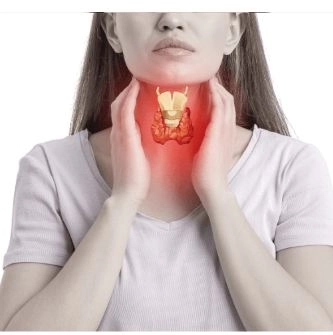
The parathyroid glands are located behind the thyroid gland and usually consist of four small glands responsible for producing parathyroid hormone (PTH), which regulates calcium and phosphorus levels in the blood. This hormone is essential for maintaining healthy bones, teeth, muscles, nerves, and heart function.
What Are Parathyroid Gland Disorders?
Dr. Saeed Mahmoud Abdel Motaleb explains that parathyroid disorders occur when there is either an increase or decrease in the secretion of parathyroid hormone, leading to calcium imbalance in the body, which may affect multiple organs such as bones, kidneys, nerves, and muscles.
Parathyroid disorders are mainly divided into two types:
Hyperparathyroidism
This condition occurs when the gland produces excessive amounts of hormone, causing abnormally high calcium levels in the blood, which may result in weak bones, kidney stones, and general health disturbances.
Hypoparathyroidism
This occurs when hormone production decreases, leading to low calcium levels in the blood, causing symptoms that affect nerves, muscles, and daily physical activity.
What Causes Parathyroid Disorders?
Dr. Saeed Mahmoud Abdel Motaleb confirms that the causes of parathyroid gland disorders vary depending on the condition, and common causes include:
Enlargement or benign tumors in the parathyroid gland
Autoimmune disorders affecting gland function
Severe vitamin D deficiency
Chronic kidney disease
Complications after thyroid surgery
Genetic factors in some cases
These causes may significantly disrupt calcium balance, affecting bone, muscle, and kidney health.
Symptoms of High Calcium Due to Hyperparathyroidism
Dr. Saeed Mahmoud Abdel Motaleb warns that high calcium levels may cause symptoms patients often overlook at first, including:
Persistent fatigue and tiredness
Bone and joint pain
Bone weakness and osteoporosis
Recurrent kidney stones
Frequent urination and excessive thirst
Constipation and digestive issues
Poor concentration and mental confusion
Mood changes such as anxiety or depression
In some cases, symptoms may worsen if treatment is delayed.
Symptoms of Low Calcium Due to Hypoparathyroidism
Dr. Saeed Mahmoud Abdel Motaleb emphasizes that low calcium levels may cause noticeable neurological and muscular symptoms, including:
Numbness in the hands and feet
Tingling around the mouth
Muscle cramps or spasms
General weakness and fatigue
Irregular heartbeat in some cases
Anxiety or nervousness
Difficulty concentrating
Severe cases may require immediate medical intervention to prevent complications.
How Are Parathyroid Disorders Diagnosed?
Diagnosing parathyroid gland disorders depends on medical history, physical examination, and several important laboratory tests, including:
Blood calcium level test
Parathyroid hormone (PTH) test
Vitamin D level test
Kidney function tests
Phosphorus and magnesium level tests
Ultrasound or imaging studies when needed
Dr. Saeed Mahmoud Abdel Motaleb explains that early diagnosis helps prevent serious complications such as osteoporosis, recurrent kidney stones, and nerve problems caused by calcium imbalance.
Treatment of Parathyroid Disorders and Calcium Imbalance
Treatment depends on the underlying cause and severity of the condition and may include:
Treatment for High Calcium Levels
Medications to regulate calcium levels
Regular monitoring of calcium and hormone levels
Treating the cause of gland overactivity
Surgery in selected cases
Treatment for Low Calcium Levels
Calcium supplements
Vitamin D supplementation in suitable doses
Regular laboratory follow-up
Treating the underlying cause of gland dysfunction
Dr. Saeed Mahmoud Abdel Motaleb confirms that regular medical follow-up is essential for patients with parathyroid disorders, as neglecting treatment may lead to complications affecting the bones, kidneys, heart, and nervous system.