Published on: 2026-05-25 | Written by: Dr Marwa El Sayed Master of Oral Medicine
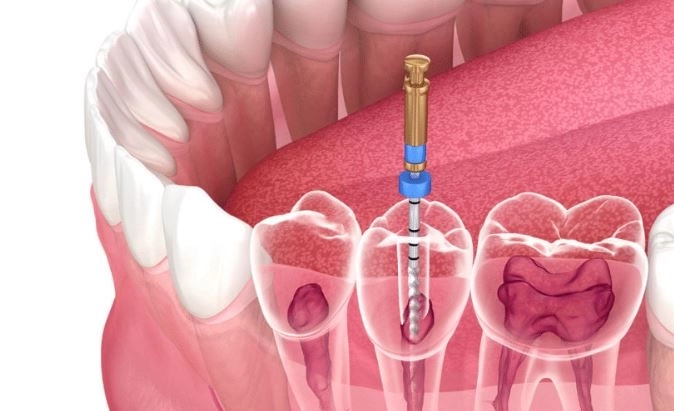
Root canal treatment, commonly known as nerve treatment, is one of the most important procedures in dentistry. It is designed to save teeth affected by deep decay or severe infections instead of extracting them. This treatment helps eliminate pain while preserving the tooth’s natural function and appearance. Dr. Marwa Mohamed El Sayed emphasizes that root canal treatment has become more precise and comfortable thanks to major advancements in modern dental technologies, allowing patients to preserve their natural teeth for as long as possible.
Root canal treatment is a dental procedure in which the inner canals of the tooth (roots) are cleaned, infected or inflamed tissue is removed, and the canals are disinfected and sealed to protect the tooth from future infections.
Dr. Marwa Mohamed El Sayed explains that the main goal of root canal treatment is to preserve the natural tooth and avoid extraction or replacement with dental restorations.
A patient may require root canal treatment in several situations, including:
Dr. Marwa Mohamed El Sayed confirms that early diagnosis greatly increases the chances of successful treatment and tooth preservation.
Certain symptoms may indicate the need for root canal treatment, such as:
Dr. Marwa Mohamed El Sayed notes that ignoring these symptoms may worsen the infection and, in some cases, lead to tooth loss.
The treatment generally involves several essential stages:
A clinical examination and X-rays are performed to determine the extent of the damage.
The area is numbed to reduce discomfort during the procedure.
The infected nerve tissue is removed, and the canals are cleaned and disinfected.
The canals are sealed with a special material to prevent reinfection.
The tooth may require a filling or crown for additional protection.
Dr. Marwa Mohamed El Sayed emphasizes that following precise treatment steps significantly improves success rates.
Many people believe root canal treatment is painful, but with modern anesthesia and advanced dental techniques, the procedure has become much more comfortable and less painful than before.
Dr. Marwa Mohamed El Sayed explains that the actual pain usually comes from the infection itself, while treatment helps eliminate it.
Root canal treatment offers many important advantages, including:
Dr. Marwa Mohamed El Sayed confirms that preserving natural teeth is always better than replacing them with artificial restorations.
To ensure successful treatment, patients are advised to:
Dr. Marwa Mohamed El Sayed notes that proper care after treatment helps maintain successful results for many years.