
Ulcerative colitis: with Dr. Narmin Abdeen

Published on: 2026-05-24 | Written by: Dr. Narmin Abdeen Gastroenterology Consultant
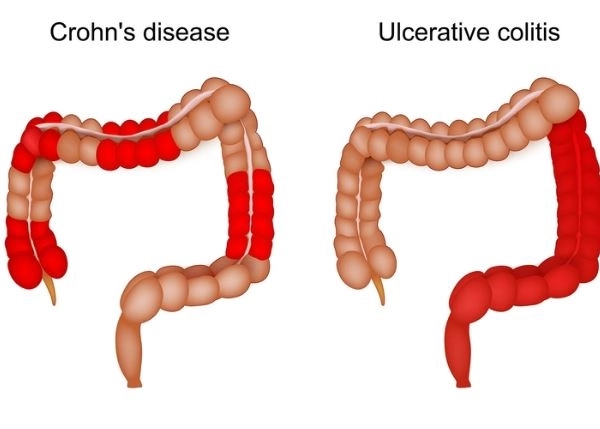

Ulcerative colitis is a chronic disease that affects the large intestine, causing inflammation and ulcers in the lining of the colon, which leads to distressing symptoms that significantly impact the patient’s quality of life. This condition requires careful monitoring and continuous treatment to avoid complications. Dr. Nermeen Abdin emphasizes that early diagnosis of ulcerative colitis greatly helps in controlling the disease, reducing flare-ups, and improving the patient’s quality of life.


What Is Ulcerative Colitis?

Ulcerative colitis is a chronic inflammatory disease that affects the lining of the colon and rectum, causing persistent inflammation and ulcers in the intestinal wall.

Dr. Nermeen Abdin explains that the severity of the disease varies from one patient to another, ranging from mild to severe depending on the level and location of inflammation.


Causes of Ulcerative Colitis

There is no single known cause for the disease, but several factors may contribute to its development, including:

  • Immune system disorders
  • Genetic factors
  • Stress and psychological pressure
  • Imbalance in gut bacteria
  • Environmental and dietary factors

Dr. Nermeen Abdin confirms that the immune system plays a major role in mistakenly attacking the colon lining, leading to inflammation.


Symptoms of Ulcerative Colitis

Symptoms vary depending on disease severity, and the most common include:

  • Chronic diarrhea, sometimes with blood
  • Abdominal pain and cramping
  • Weight loss
  • Loss of appetite
  • General fatigue
  • Mild fever
  • Frequent need to use the bathroom

Dr. Nermeen Abdin notes that persistent symptoms over time require immediate medical evaluation.


Complications of Ulcerative Colitis

If not properly treated, the disease may lead to complications such as:

  • Severe colon bleeding
  • Anemia
  • Significant weight loss
  • Colon enlargement in severe cases
  • Increased long-term risk of colon cancer

Dr. Nermeen Abdin emphasizes that regular follow-up significantly reduces the risk of such complications.


Diagnosis of Ulcerative Colitis

Diagnosis is based on several methods, including:

  • Medical examination and history
  • Stool analysis
  • Blood tests
  • Colonoscopy
  • Imaging studies in some cases

Dr. Nermeen Abdin explains that colonoscopy is one of the most important tools for confirming diagnosis and determining disease severity.


Treatment of Ulcerative Colitis

There is no definitive cure, but the disease can be effectively controlled through several approaches:

1. Medication Therapy

Anti-inflammatory drugs are used to reduce disease activity.

2. Immunosuppressive Drugs

These help reduce immune system activity responsible for inflammation.

3. Biologic Therapy

Used in moderate to severe cases to control disease progression.

4. Surgery

Reserved for severe cases or when complications occur.

Dr. Nermeen Abdin confirms that treatment choice depends on disease severity and patient response.


Diet for Ulcerative Colitis Patients

Diet plays an important role in reducing symptoms, and patients are advised to:

  • Eat easily digestible foods
  • Reduce fatty and spicy foods
  • Drink enough water
  • Avoid trigger foods
  • Eat small, frequent meals

Dr. Nermeen Abdin emphasizes that a proper diet significantly helps reduce flare-ups.


When Should You See a Doctor?

Medical consultation is necessary if the patient experiences:

  • Blood in stool
  • Persistent diarrhea
  • Unexplained weight loss
  • Severe abdominal pain
  • Constant fatigue

Dr. Nermeen Abdin notes that early intervention helps prevent disease progression.


Ulcerative colitis is a chronic condition that requires continuous treatment and monitoring, but it can be effectively controlled through early diagnosis and adherence to an appropriate treatment plan. Dr. Nermeen Abdin emphasizes that awareness of the disease, regular follow-up, and adherence to treatment and dietary recommendations are the key factors in controlling symptoms and improving the patient’s quality of life.

دكتور أسنان فى اسكندريةدكتور نساء وتوليد فى اسكندريةدكتور عيون فى الاسكندريةدكتور نفسية وعصبية فى الاسكندريةدكتور أنف وأذن وحنجرة فى الاسكندريةدكتور طب طبيعى وروماتيزممستشفياتصيدلياتمعامل تحاليلدليلي ميديكالدكتور باطنة في الاسكندريةدكتور جراحة عامة في الاسكندريةدكتور تجميل في الاسكندريةدكتور اوعية دموية في الاسكندريةدكتور أطفال فى إسكندريةدكتور عظام فى إسكندريةدكتور أوعية دموية فى إسكندريةدكتور جهاز هضمى وكبد فى إسكندريةدكتور مسالك بولية فى إسكندريةدكتور قلب فى إسكندريةدكتور جلدية فى إسكندريةدكتور تغذية علاجية فى إسكندريةدكتور حساسية وصدر فى إسكندريةدكتور مخ وأعصاب فى إسكندريةدكتور أورام فى إسكندريةدكتور أسنان بالقاهرةدكتور أطفال بالقاهرةدكتور أنف وأذن وحنجرة بالقاهرةدكتور قلب بالقاهرةدكتور باطنة بالقاهرةدكتور تخاطب بالقاهرةدكتور جراحة أطفال بالقاهرةدكتور أورام بالقاهرةدكتور أوعية دموية بالقاهرةدكتور أمراض دم بالقاهرةدكتور جهاز هضمى وكبد بالقاهرةدكتور حساسية وصدر بالقاهرةدكتور تغذية علاجية بالقاهرةدكتور جراحة تجميل بالقاهرةدكتور جراحة عامة بالقاهرةدكتور جلدية بالقاهرةصيدليات بالقاهرةدكتور نساء وتوليد فى القاهرةدكتور مسالك بولية فى القاهرةدكتور طب طبيعي وروماتيزم بالقاهرةدكتور عظام فى القاهرة
What's your complaint?