
Published on: 2026-05-23 | Written by: Professor Dr. Ahmed Shaaban, Endocrine and Tumor Surgery
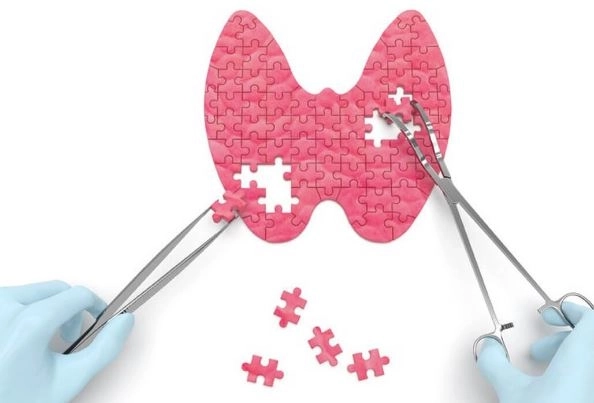
Endocrine surgery is a specialized branch of general surgery that focuses on treating diseases affecting the body’s glands, such as the thyroid gland, parathyroid glands, adrenal glands, and certain endocrine tumors. These procedures are highly delicate and require extensive medical expertise and accurate diagnosis before deciding on surgical intervention. Dr. Ahmed Shaaban emphasizes that advances in endocrine surgery have significantly reduced complications and improved recovery and success rates.
Endocrine surgery is a surgical field dedicated to treating or removing tumors and disorders affecting the body’s glands, whether benign or malignant. It includes:
Dr. Ahmed Shaaban points out that early diagnosis plays a crucial role in determining the appropriate surgical approach and avoiding complications.
One of the most common conditions, which may be benign or malignant, with treatment determined after medical evaluation and imaging.
In advanced cases, it may cause difficulty swallowing or breathing.
These affect calcium levels in the body and may lead to bone-related problems.
These may impact blood pressure and hormone regulation.
Dr. Ahmed Shaaban emphasizes that each case must be carefully evaluated before deciding on surgery.
Symptoms vary depending on the affected gland, but commonly include:
Dr. Ahmed Shaaban stresses that these symptoms require prompt medical evaluation to prevent disease progression.
Diagnosis relies on several tools, including:
Dr. Ahmed Shaaban confirms that accurate diagnosis is the cornerstone before any surgical decision.
In some cases, medications are used to regulate hormone levels or reduce gland activity.
For small benign cases, observation and follow-up may be sufficient.
Surgery is recommended in cases such as:
Dr. Ahmed Shaaban emphasizes that surgery is considered a final option after thorough evaluation.
Endocrine surgery has significantly evolved in recent years due to:
Dr. Ahmed Shaaban notes that these advancements have improved surgical outcomes and reduced hospital stays.
After surgery, patients require careful follow-up, including:
Dr. Ahmed Shaaban emphasizes that postoperative follow-up is essential for successful treatment outcomes.