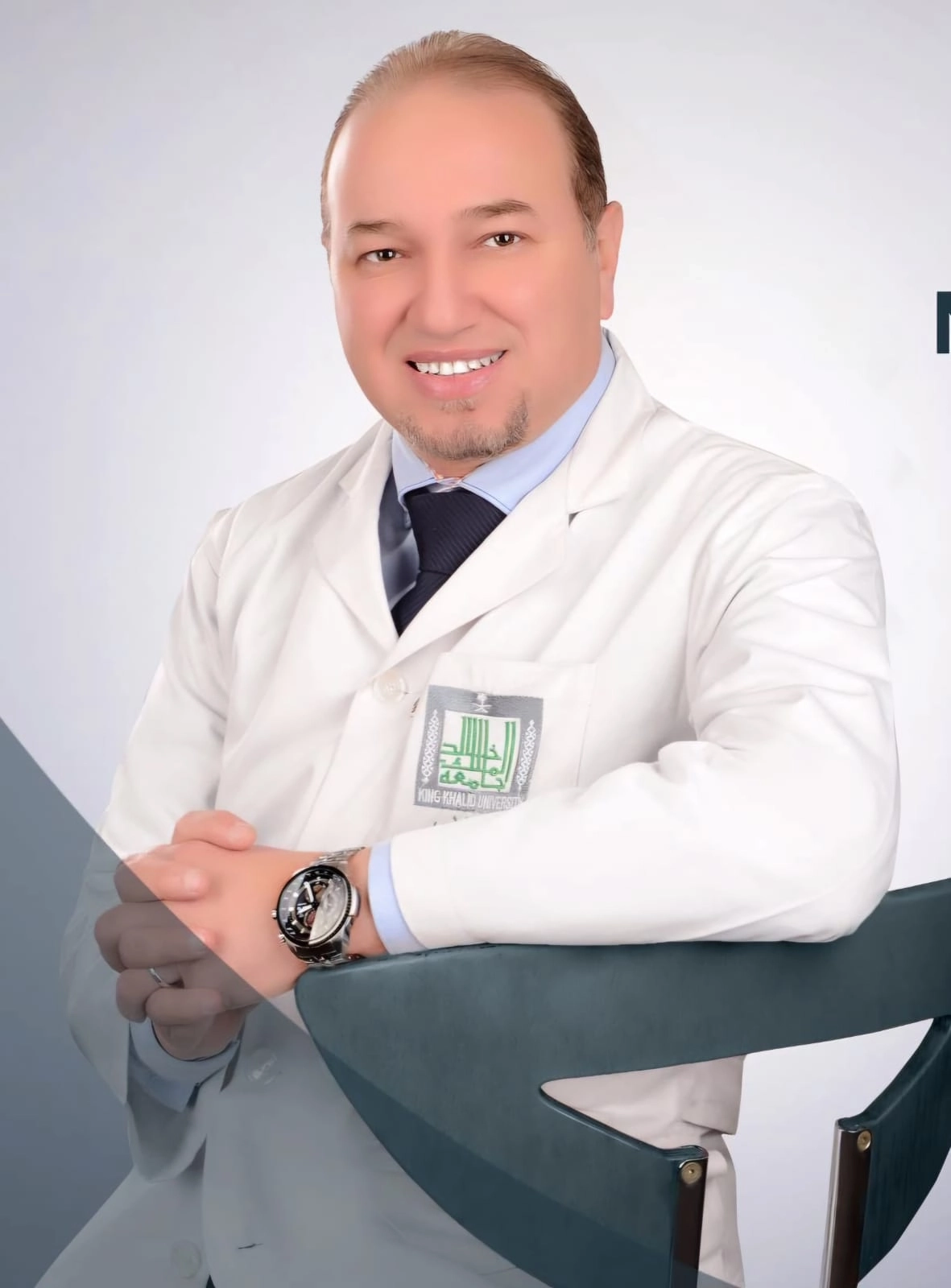

Published on: 2026-05-20 | Written by: Dr. Mahmoud Al-Jaziri, Specialist in Obstetrics
Treatment of Polycystic Ovary Syndrome (PCOS) and Hormonal Disorders and the Importance of Early Diagnosis for Women’s Health
Dr. Mahmoud El Geziry stresses that polycystic ovary syndrome (PCOS) and hormonal disorders are common conditions that affect women of different ages and may lead to irregular menstrual cycles, delayed pregnancy, and several health concerns. Therefore, early diagnosis and regular medical follow-up play a major role in improving health and reducing complications.
What Is Polycystic Ovary Syndrome (PCOS)?
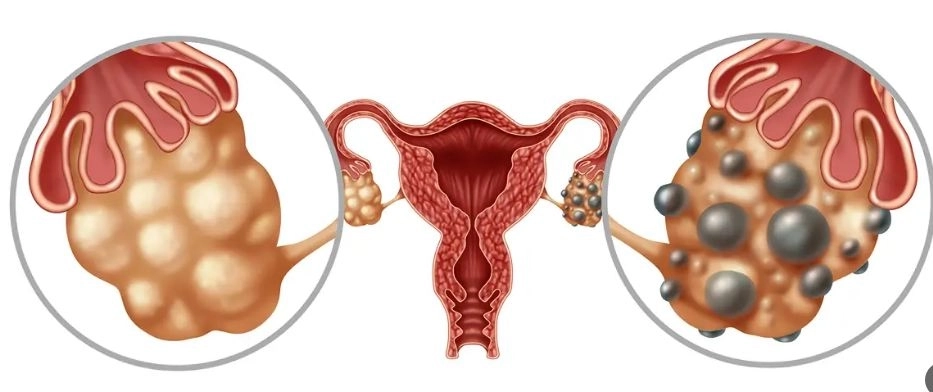
Dr. Mahmoud El Geziry explains that PCOS is a hormonal disorder caused by an imbalance in the ovulation process, leading to the formation of small cysts on the ovaries that may affect menstrual cycle regularity and fertility. It may also cause hormonal changes that impact a woman’s overall health.
PCOS is considered one of the most common reasons women seek medical treatment due to its effect on fertility and hormonal balance, as symptoms may vary from one woman to another depending on the body type and severity of the hormonal imbalance.
What Causes PCOS and Hormonal Disorders?
Dr. Mahmoud El Geziry confirms that the causes of PCOS and hormonal disorders may differ from one case to another, but there are several common contributing factors, including:
Hormonal imbalance in female reproductive hormones
Insulin resistance and high blood sugar levels
Obesity and excess weight
Genetic and family history factors
Thyroid gland disorders
Psychological stress and anxiety
Ovulation dysfunction and hormonal imbalance
Symptoms of PCOS
Dr. Mahmoud El Geziry warns against ignoring the symptoms of PCOS, as they may directly affect reproductive health. Common symptoms include:
Irregular menstrual cycles
Delayed pregnancy or infertility issues
Excess hair growth in unwanted areas
Frequent acne breakouts
Noticeable weight gain
Hair thinning or hair loss
Occasional lower abdominal pain
How Is PCOS Diagnosed?
Dr. Mahmoud El Geziry explains that diagnosing PCOS depends on a comprehensive evaluation, including reviewing symptoms, conducting medical examinations, and using ultrasound scans and hormone tests to determine the cause of hormonal imbalance and establish the most suitable treatment plan for each patient.
Accurate examinations also help determine how PCOS affects ovulation and fertility, helping specialists choose the most effective treatment approach.
Treatment of PCOS and Hormonal Disorders
Dr. Mahmoud El Geziry stresses that the treatment of PCOS depends on the underlying cause and associated symptoms, as treatment plans vary according to each patient’s condition and pregnancy goals. Treatment options may include:
Hormonal Regulation
Dr. Mahmoud El Geziry explains that some cases may require medications to regulate hormones, improve menstrual cycle regularity, and reduce symptoms caused by hormonal imbalance.
Improving Ovulation and Treating Delayed Pregnancy
Dr. Mahmoud El Geziry confirms that treating ovulation disorders is an essential step in improving pregnancy chances for women suffering from PCOS and infertility.
Lifestyle Modifications
Dr. Mahmoud El Geziry warns that weight loss, following a healthy diet, and regular exercise can significantly reduce PCOS symptoms and improve hormonal balance and ovarian function.
Treating Associated Hormonal Problems
Dr. Mahmoud El Geziry explains that some women may also experience additional hormonal issues such as thyroid disorders or insulin resistance, which is why treating the underlying cause is important for better results.
Does PCOS Affect Pregnancy?
Dr. Mahmoud El Geziry confirms that PCOS may affect pregnancy chances due to ovulation irregularities. However, with early diagnosis and appropriate treatment, fertility chances can improve significantly, so there is no need for excessive concern when following the recommended treatment plan and regular follow-up.