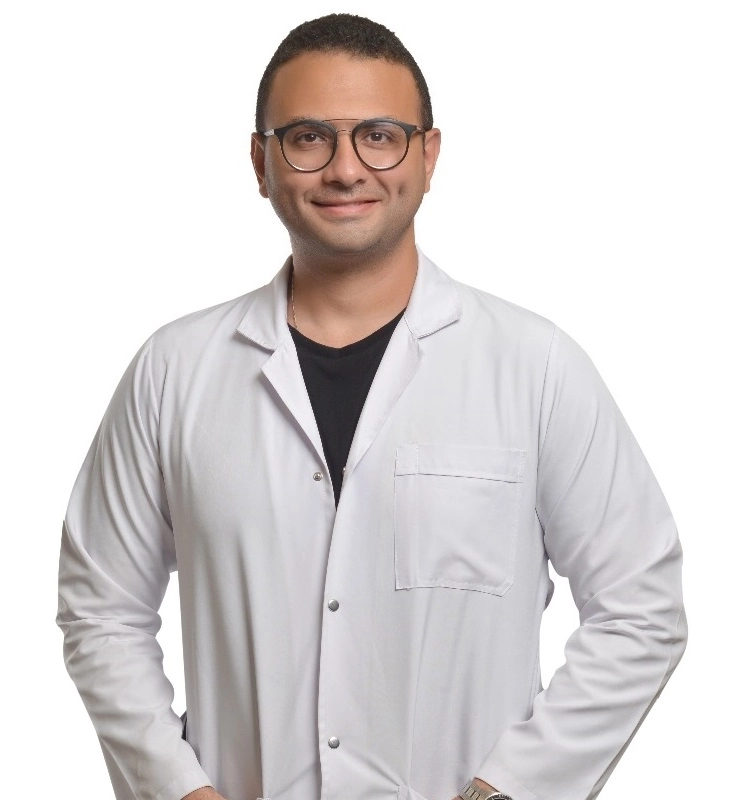

Published on: 2026-05-19 | Written by: Dr. Dalia Abdel Mawgoud, Consultant in Cosmetic Dentistry
Fixed and Removable Dental Prostheses: The Ideal Solution for Restoring Your Smile and Oral Function
Dr. Dalia Abdel Mawgoud Zarea confirms that fixed and removable dental prostheses are among the most important modern dental solutions for replacing missing or damaged teeth. They significantly help improve the aesthetic appearance of the mouth, restore chewing and speaking abilities, boost self-confidence, and enhance overall quality of life.
Fixed and removable dental restorations are considered essential treatment options used by dentists to replace missing teeth or severely damaged teeth that cannot be restored with conventional fillings. The appropriate type is selected based on the patient’s condition, the number of missing teeth, gum health, and jawbone condition.
What Are Fixed Dental Prostheses?
Dr. Dalia Abdel Mawgoud Zarea stresses that fixed dental prostheses are an effective option for patients who have lost one or more teeth and are seeking a permanent, stable solution that feels natural during eating and speaking.
Fixed dental restorations are permanently attached inside the mouth and cannot be removed by the patient. These include several types such as:
Dental Crowns
Used to cover weak or damaged teeth to protect them while improving their appearance and function.
Dental Bridges
Used to replace one or more missing teeth by anchoring the prosthesis to neighboring teeth.
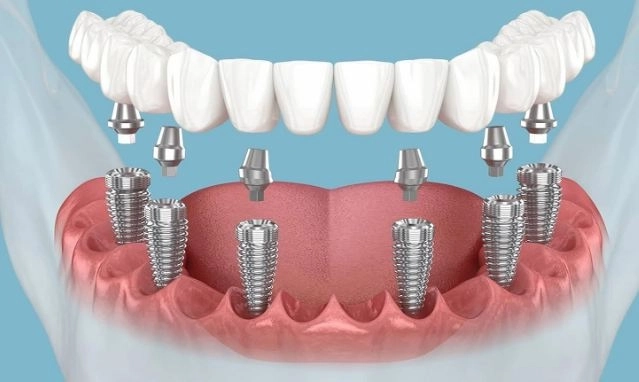
Implant-Supported Restorations
Artificial teeth are secured on dental implants to provide maximum stability and functionality.
Among the most common materials used in fixed prostheses are:
Zirconia
E-max
Porcelain
These restorations are known for their durability and highly natural appearance, closely resembling real teeth.
What Are Removable Dental Prostheses?
Dr. Dalia Abdel Mawgoud Zarea explains that removable prostheses are a suitable option for some patients who have lost a large number of teeth or all their teeth, especially when health conditions or bone density do not allow for dental implants.
Removable prostheses are dental appliances that patients can easily insert and remove, and they are divided into:
Complete Dentures
Used to replace all missing teeth in the upper or lower jaw.
Partial Dentures
Used when only some teeth are missing and are attached alongside the remaining natural teeth.
Removable prostheses help improve facial appearance and reduce the impact of tooth loss on chewing and speaking.
When Does a Patient Need Dental Prostheses?
Dr. Dalia Abdel Mawgoud Zarea points out that leaving missing teeth untreated may lead to several health and aesthetic complications, making early intervention important to avoid further issues.
Common cases requiring dental prostheses include:
Loss of one or more teeth
Severe tooth wear or fractures
Difficulty chewing due to missing teeth
Speech problems caused by large gaps between teeth
Desire to improve smile appearance
Leaving missing teeth untreated may also cause neighboring teeth to shift, bite problems to develop, and jawbone deterioration over time.
The Difference Between Fixed and Removable Prostheses
Dr. Dalia Abdel Mawgoud Zarea confirms that choosing between fixed and removable prostheses depends on several factors, including oral condition, the number of missing teeth, the patient’s budget, and professional dental evaluation.
Fixed Prostheses
More stable and secure
Provide a feeling very close to natural teeth
Cannot be removed from the mouth
Require careful daily care
Removable Prostheses
Easy to remove and clean
More affordable in many cases
Suitable for patients with extensive tooth loss
May require an adjustment period at first