
Published on: 2026-05-19 | Written by: Dr. Dalia Abdel Mawgoud, Consultant in Cosmetic Dentistry
Traditional Metal Braces: An Effective Solution for Correcting Misaligned Teeth and Improving Your Smile
Dr. Dalia Abdel Mawgoud Zarea emphasizes that traditional metal braces are considered one of the most effective dental treatment options for correcting misalignment, improving the appearance of the smile, and treating bite problems. They are still widely used due to their high precision and ability to effectively manage both simple and complex orthodontic cases.
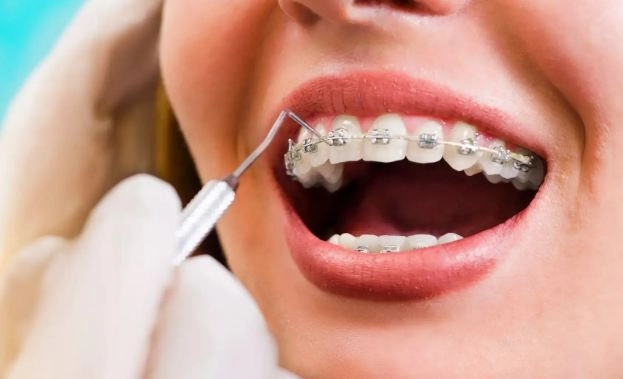
Traditional metal braces are among the most common orthodontic treatments used to reposition teeth and correct their alignment within the jaw in a scientifically accurate way. This is achieved through attaching small metal brackets to the teeth and connecting them with wires that gradually move the teeth into their proper position.
What Are Traditional Metal Braces?
Dr. Dalia Abdel Mawgoud Zarea stresses that traditional metal braces are used to treat a wide range of dental and jaw issues, as they aim to improve teeth alignment and correct both functional and cosmetic problems that may affect appearance, chewing efficiency, or speech.
This type of orthodontic treatment relies on placing small metal brackets on the teeth, connected by specialized wires that are periodically adjusted to gradually guide the teeth into their correct position.
Traditional metal braces can help treat:
Crowded teeth
Gaps between teeth
Protruding front teeth
Bite misalignment
Open bite or deep bite issues
Crooked or uneven teeth
When Does a Patient Need Traditional Metal Braces?
Dr. Dalia Abdel Mawgoud Zarea explains that there are clear signs indicating a person may need braces, especially if the teeth are misaligned or causing health or cosmetic concerns that affect self-confidence.
Crowded Teeth
This occurs when teeth overlap or are improperly positioned, making cleaning difficult and increasing the risk of plaque buildup, tooth decay, and gum disease.
Gaps Between Teeth
Large spaces between teeth may affect the overall appearance of the smile and may also impact speech or chewing ability.
Protruding Front Teeth
This condition may increase the risk of dental trauma and affect facial appearance and smile aesthetics.
Bite Problems
These include open bite, crossbite, or deep bite, which may lead to difficulty chewing or jaw discomfort.
Steps of Traditional Metal Braces Installation
Dr. Dalia Abdel Mawgoud Zarea points out that the process of fitting traditional braces involves several precise steps to ensure the best treatment outcomes, according to a personalized plan tailored to each patient.
Examination and Diagnosis
The dentist begins with a thorough dental and jaw examination, including necessary X-rays to accurately diagnose the condition and create a treatment plan.
Teeth Cleaning
The teeth are professionally cleaned, and any cavities or gum issues are treated before braces placement.
Bracket Placement
Small metal brackets are bonded to the teeth using specialized dental materials.
Wire Placement
Orthodontic wires are attached to apply gentle pressure that gradually moves the teeth into their ideal position.
Regular Follow-Up Visits
Patients need routine dental visits for wire adjustments and monitoring treatment progress.
Benefits of Traditional Metal Braces
Dr. Dalia Abdel Mawgoud Zarea confirms that traditional metal braces remain one of the best orthodontic solutions because they provide highly effective and accurate results, especially in cases requiring strong control over tooth movement.