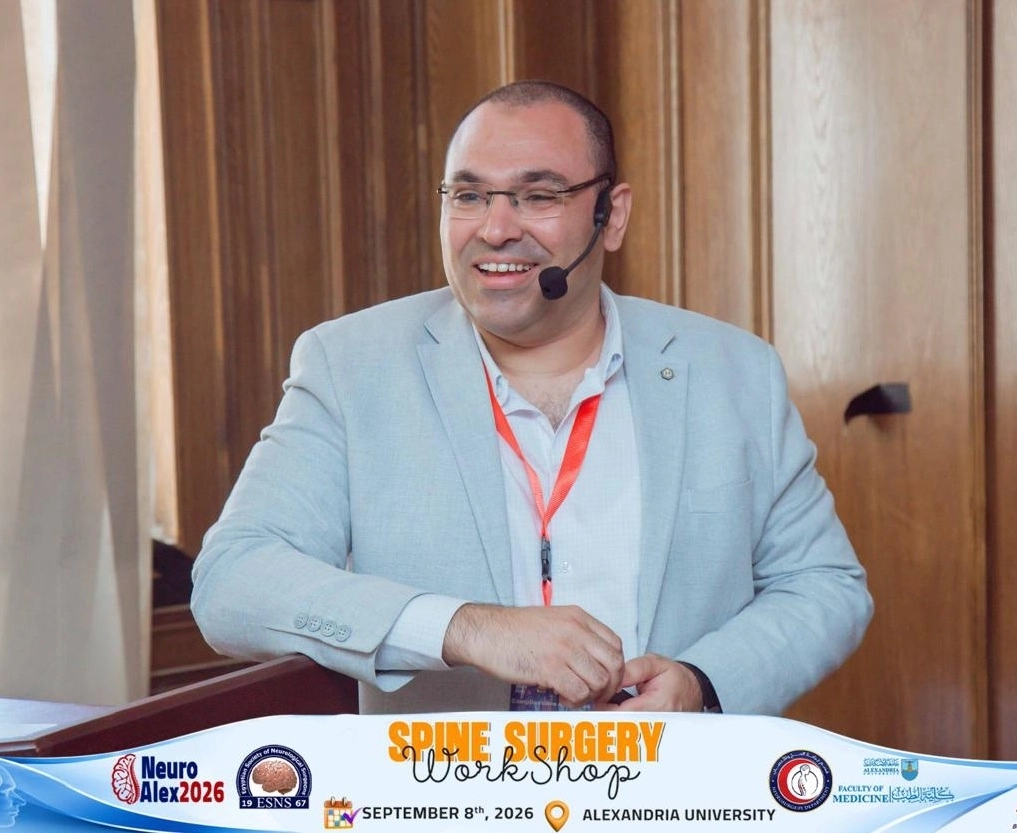
Published on: 2026-04-30 | Written by: Dr. Ahmed Hafez Farhoud, of Neurosurgery
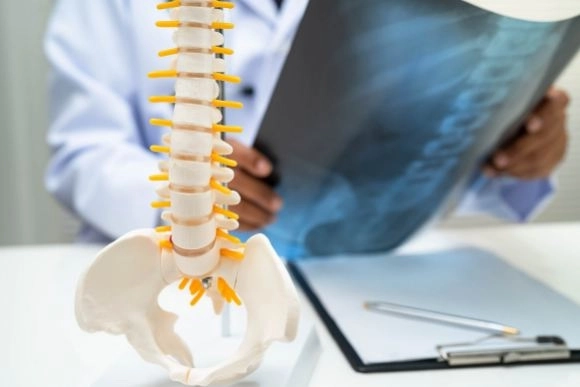
Spine surgery is one of the most important and delicate specialties within neurosurgery, as it is directly connected to both the nervous and musculoskeletal systems. With the increasing prevalence of back and neck problems due to prolonged sitting and unhealthy lifestyles, the need for spine surgery has become more common. Thanks to major advancements in medical technology, these procedures are now safer and more effective than ever before.
Dr. Ahmed Hafez Farhoud confirms that spine surgeries have witnessed remarkable progress in recent years, significantly improving surgical outcomes and reducing recovery time.
Spine surgery involves surgical procedures aimed at treating problems affecting the vertebrae, intervertebral discs, or the associated nerves. These procedures can involve the cervical (neck), thoracic (mid-back), or lumbar (lower back) regions.
The main goals of spine surgery include:
One of the most common causes, where a disc presses on nerves, leading to severe pain that may radiate to the limbs.
Narrowing of the spinal canal that puts pressure on the spinal cord and nerves, causing pain and mobility issues.
Often appears at a young age and may require surgical correction in advanced cases.
Usually caused by trauma or osteoporosis.
Whether benign or malignant, these require precise surgical removal.
Dr. Ahmed Hafez Farhoud emphasizes that early diagnosis plays a crucial role in preventing complications and achieving optimal treatment outcomes.
If you experience any of the following symptoms, you should consult a specialist:
Dr. Ahmed Hafez Farhoud warns that neglecting these symptoms may lead to worsening conditions, potentially resulting in loss of sensation or mobility in severe cases.
With modern advancements, spine surgeries have become more precise and less invasive. Key techniques include:
Dr. Ahmed Hafez Farhoud explains that selecting the appropriate technique depends on the patient’s condition and severity of the problem.
Before deciding on surgery, several diagnostic tests are required, including:
These evaluations help identify the root cause of the problem and guide the most effective treatment plan.
Recovery is a critical phase and includes:
Dr. Ahmed Hafez Farhoud stresses that adherence to rehabilitation programs significantly enhances recovery and ensures successful surgical outcomes.
With modern techniques, success rates have become very high, particularly in cases such as:
Dr. Ahmed Hafez Farhoud notes that choosing an experienced surgeon plays a vital role in achieving the best results and minimizing complications.
Dr. Ahmed Hafez Farhoud emphasizes that taking care of spinal health and seeking timely medical advice are key to avoiding complications and achieving the best possible outcomes.