

Published on: 2026-04-26 | Written by: Dr. Alaa Ghoneim, Consultant in IVF, Obstetrics
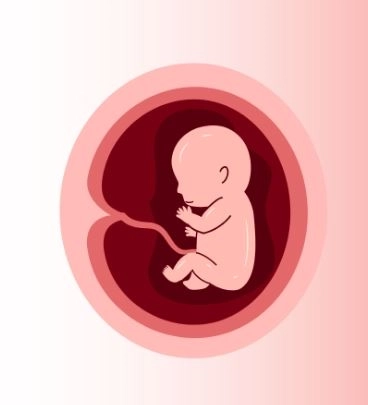
Embryology is one of the most important branches of biomedical science, focusing on the study of embryo development from the moment of fertilization until birth. This field plays a vital role in understanding how humans develop inside the womb and is essential in treating infertility and improving the outcomes of assisted reproductive technologies.
Dr. Alaa Ghoneim confirms that embryology is the cornerstone of successful IVF and ICSI procedures, as it is crucial for evaluating embryo quality and selecting the best ones.
Embryology is the science that studies the development of a living organism from a single fertilized egg into a fully developed embryo. It includes the study of cell division, tissue formation, and organ development.
Dr. Alaa Ghoneim explains that this science helps doctors understand any abnormalities that may occur during embryo development and manage them accurately.
Dr. Alaa Ghoneim confirms that each of these stages requires a precise environment to ensure healthy development.
Embryology plays a critical role in many medical fields, such as:
Dr. Alaa Ghoneim emphasizes that advancements in embryology have significantly increased the success rates of assisted reproduction.
Embryology laboratories are essential for successful fertility treatments, where specialists perform:
Dr. Alaa Ghoneim confirms that precision in these labs depends on advanced technology and experienced medical teams.
Several factors influence embryo quality, including:
Dr. Alaa Ghoneim notes that improving these factors increases the chances of successful pregnancy.
Embryology has seen major advancements, including:
Finally, Dr. Alaa Ghoneim confirms that understanding embryo development and focusing on embryo quality are key factors for successful fertility treatments and achieving the best outcomes.