

Published on: 2026-04-26 | Written by: Dr. Alaa Ghoneim, Consultant in IVF, Obstetrics
ICSI is one of the most advanced assisted reproductive technologies used to treat infertility. It has helped many couples achieve their dream of having children, especially in cases where natural conception is difficult. With continuous medical advancements, success rates have significantly improved thanks to precise techniques and specialized expertise.
Dr. Alaa Ghoneim confirms that ICSI represents a major breakthrough in infertility treatment, particularly in cases where traditional methods have failed.
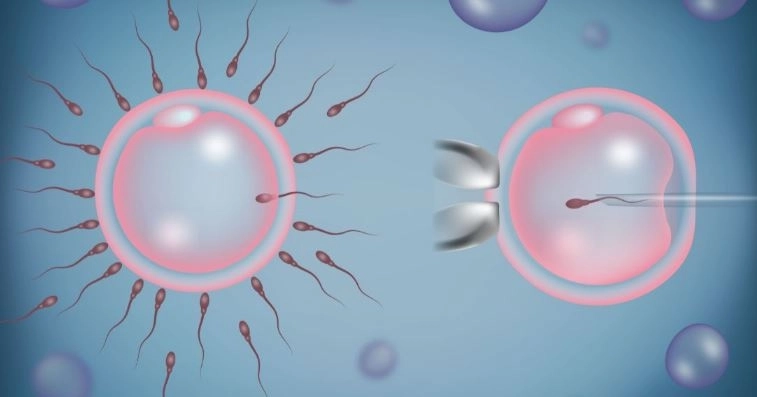
ICSI is a procedure in which a single sperm is directly injected into an egg in a laboratory setting. The resulting embryo is then transferred into the uterus to achieve pregnancy.
Dr. Alaa Ghoneim explains that this technique is especially useful in cases of male factor infertility or ovulation disorders.
ICSI is recommended in several cases, including:
Dr. Alaa Ghoneim emphasizes that accurate diagnosis is the first and most important step toward successful treatment.
The ICSI process involves several stages:
Dr. Alaa Ghoneim confirms that precision in each step directly affects success rates.
Success rates depend on several factors, including:
Dr. Alaa Ghoneim notes that following medical instructions carefully can significantly improve the chances of success.
Dr. Alaa Ghoneim emphasizes that psychological support and adherence to medical guidance play a major role in treatment success.
Finally, Dr. Alaa Ghoneim confirms that choosing the right doctor, accurate diagnosis, and commitment to the treatment plan are the key factors for achieving the best possible results.