

Published on: 2026-04-20 | Written by: Dr Dina Atef Dermatology Cosmetic and Laser Specialist
Treating Skin Pigmentation with Dr. Dina Atef
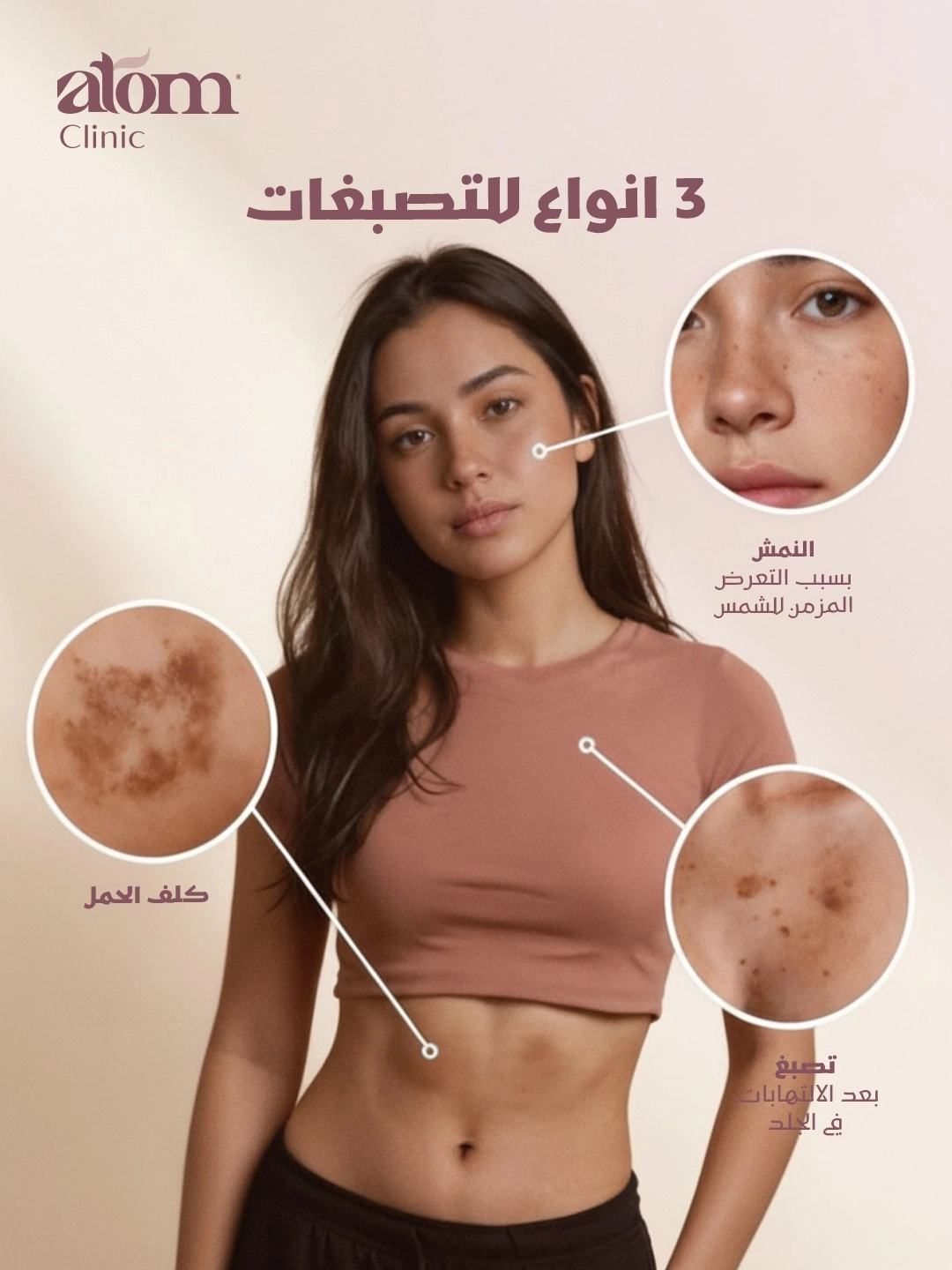
Skin pigmentation is one of the most common problems affecting the skin's appearance. It appears as dark spots that vary in color and size and may result from sun exposure, hormonal changes, or the effects of acne and wounds.
Dr. Dina Atef explains that accurately diagnosing the type of pigmentation is the first step in choosing the appropriate treatment.
Pigmentation occurs due to:
Increased production of melanin in the skin, the substance responsible for skin color.
Dr. Dina Atef points out that this problem can appear in different areas of the body, such as the face, hands, and neck, especially in people who are exposed to the sun for extended periods without protection.
Among the most important tips to help prevent pigmentation are:
Using sunscreen daily, even on cloudy days, because ultraviolet rays are one of the main causes of dark spots.
Dr. Dina Atef also emphasizes the importance of choosing skincare products that contain ingredients that help lighten the skin safely.
Several treatment options are available for pigmentation, such as:
Specifically formulated lightening creams or medical peels that help remove the damaged surface layers of the skin.
Dr. Dina Atef explains that determining the appropriate treatment depends on the type and severity of the pigmentation.
Some cosmetic treatments can also be used to improve and even out skin tone, while stimulating cell regeneration for a brighter complexion.
Dr. Dina Atef emphasizes that adhering to the treatment plan and following up with medical professionals helps achieve noticeable results.
Finally, Dr. Dina Atef points out that treating pigmentation requires patience and adherence to medical instructions, as improving skin tone occurs gradually with proper skincare and regular follow-up.