
Published on: 2026-04-15 | Written by: Dr. Rania Abu Al-Alafah, Specialist in Obstetrics
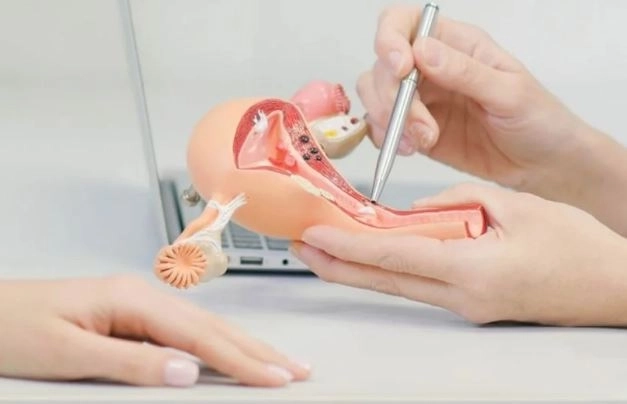
Laparoscopic surgery is one of the most important modern advancements in surgery, especially in the field of obstetrics and gynecology. It has revolutionized the way many medical conditions are treated by eliminating the need for large open surgical incisions. This technique relies on inserting a small camera and fine surgical instruments through tiny openings in the body, allowing highly precise procedures with less pain and a faster recovery period.
Dr. Rania Abu Al-Ola confirms that laparoscopic surgery has become one of the most significant modern techniques that has dramatically changed surgical practice in obstetrics and gynecology.
Laparoscopic surgery is a medical procedure in which a thin tube equipped with a camera (laparoscope) is inserted through small abdominal incisions. This allows the surgeon to view internal organs on a magnified screen and perform the operation with high precision without the need for large surgical openings.
Dr. Rania Abu Al-Ola explains that this technique has enabled the treatment of many gynecological conditions in a safer and less painful way compared to traditional surgery.
Laparoscopic surgery offers several important benefits, including:
Dr. Rania Abu Al-Ola confirms that these advantages have made laparoscopy the preferred choice in many gynecological operations.
Laparoscopic surgery is widely used in obstetrics and gynecology for several conditions, including:
Dr. Rania Abu Al-Ola explains that laparoscopy serves both diagnostic and therapeutic purposes, allowing for more accurate and effective treatment.
Laparoscopic surgery typically follows these steps:
Dr. Rania Abu Al-Ola confirms that the success of the procedure depends greatly on the surgeon’s expertise and the precision of the equipment used.
Laparoscopic surgery is considered one of the safest surgical procedures in gynecology, especially when performed by a specialized surgeon in a well-equipped medical center. Some mild side effects such as temporary bloating or mild pain may occur after surgery.
Dr. Rania Abu Al-Ola notes that the risk of complications is significantly lower compared to traditional open surgery.
Recovery after laparoscopic surgery is usually quick, as patients can return to normal daily activities within a short period compared to open surgery.
Dr. Rania Abu Al-Ola emphasizes that following post-operative instructions such as rest and avoiding heavy physical activity plays a major role in speeding up recovery.
Finally, Dr. Rania Abu Al-Ola confirms that this major advancement in laparoscopic techniques has significantly improved treatment outcomes and reduced the need for traditional open surgery in many cases.