
Cataracts: Causes and Symptoms with Dr. Tarek Abdel-Razek

Published on: 2026-04-12 | Written by: Professor Dr. Tariq Abdel-Razek Eye Surgery
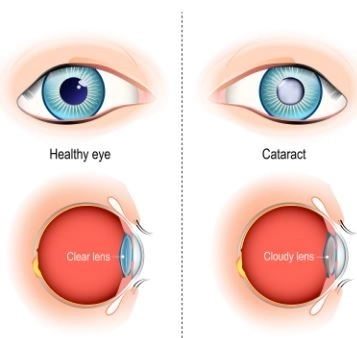

Cataract is one of the most common eye diseases, especially among older adults. It occurs when the eye’s natural lens gradually loses its transparency, leading to blurred and reduced vision. Dr. Tarek Abdel Razek emphasizes that early detection of cataract plays a major role in preserving vision and preventing complications.


What Is Cataract?

A cataract is a condition that affects the eye’s natural lens, making it cloudy over time. This cloudiness prevents light from properly reaching the retina, resulting in progressive vision impairment.


Symptoms of Cataract

Cataract symptoms usually develop gradually and include:

  • Blurred or decreased vision
  • Increased sensitivity to light
  • Faded colors
  • Frequent changes in eyeglass prescription
  • Difficulty seeing at night

Dr. Tarek Abdel Razek confirms that early recognition of these symptoms allows for timely medical intervention before vision worsens significantly.


Causes of Cataract

There are several causes of cataract, including:

  • Aging
  • Genetic factors
  • Diabetes mellitus
  • Long-term exposure to sunlight
  • Prolonged use of certain medications

Diagnosis of Cataract

Cataract is diagnosed through:

  • Comprehensive eye examination
  • Visual acuity testing
  • Lens examination using specialized equipment
  • Pupil dilation to examine the retina

Dr. Tarek Abdel Razek emphasizes that regular eye checkups are essential for early detection and proper treatment planning.


Cataract Treatment (Surgery)

The only effective treatment for cataract is surgery, in which the cloudy lens is removed and replaced with a clear artificial lens.

The procedure includes:

  • Local anesthesia for the eye
  • Breaking up the lens using ultrasound (phacoemulsification)
  • Removing the cloudy lens
  • Implanting an artificial intraocular lens

Dr. Tarek Abdel Razek stresses that cataract surgery is now one of the safest and most successful procedures due to significant medical advancements.


Types of Intraocular Lenses

Different types of lenses can be implanted after surgery, including:

  • Monofocal lenses
  • Multifocal lenses
  • Astigmatism-correcting lenses

After Cataract Surgery

After surgery, patients need to:

  • Use prescribed eye drops
  • Avoid rubbing the eye
  • Attend regular follow-up visits
  • Avoid heavy physical activity for a short period

Cataract is a highly treatable eye condition, especially with modern surgical techniques. Dr. Tarek Abdel Razek emphasizes that early diagnosis and timely surgery ensure the best outcomes and help restore clear vision and improve quality of life.

دكتور أسنان فى اسكندريةدكتور نساء وتوليد فى اسكندريةدكتور عيون فى الاسكندريةدكتور نفسية وعصبية فى الاسكندريةدكتور أنف وأذن وحنجرة فى الاسكندريةدكتور طب طبيعى وروماتيزممستشفياتصيدلياتمعامل تحاليلدليلي ميديكالدكتور باطنة في الاسكندريةدكتور جراحة عامة في الاسكندريةدكتور تجميل في الاسكندريةدكتور اوعية دموية في الاسكندريةدكتور أطفال فى إسكندريةدكتور عظام فى إسكندريةدكتور أوعية دموية فى إسكندريةدكتور جهاز هضمى وكبد فى إسكندريةدكتور مسالك بولية فى إسكندريةدكتور قلب فى إسكندريةدكتور جلدية فى إسكندريةدكتور تغذية علاجية فى إسكندريةدكتور حساسية وصدر فى إسكندريةدكتور مخ وأعصاب فى إسكندريةدكتور أورام فى إسكندريةدكتور أسنان بالقاهرةدكتور أطفال بالقاهرةدكتور أنف وأذن وحنجرة بالقاهرةدكتور قلب بالقاهرةدكتور باطنة بالقاهرةدكتور تخاطب بالقاهرةدكتور جراحة أطفال بالقاهرةدكتور أورام بالقاهرةدكتور أوعية دموية بالقاهرةدكتور أمراض دم بالقاهرةدكتور جهاز هضمى وكبد بالقاهرةدكتور حساسية وصدر بالقاهرةدكتور تغذية علاجية بالقاهرةدكتور جراحة تجميل بالقاهرةدكتور جراحة عامة بالقاهرةدكتور جلدية بالقاهرةصيدليات بالقاهرةدكتور نساء وتوليد فى القاهرةدكتور مسالك بولية فى القاهرةدكتور طب طبيعي وروماتيزم بالقاهرةدكتور عظام فى القاهرة
What's your complaint?