Published on: 2026-04-12 | Written by: Dr. Raouf Muhammad Abu Shuaisha ENT Specialist
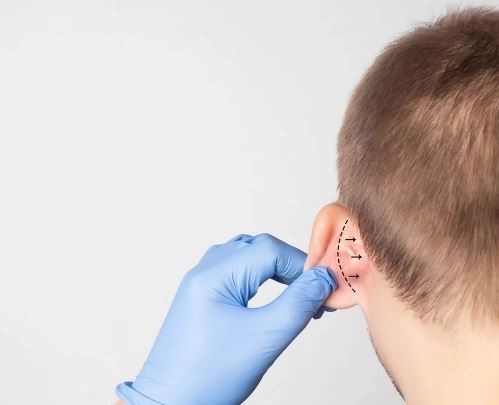
Ear surgeries are considered one of the most delicate and important procedures in Otolaryngology, as they aim to treat conditions affecting hearing, balance, and the middle and inner ear, which directly impact a patient’s quality of life.
Dr. Raouf Abu Shaeisha emphasizes that medical advancements in ear surgeries have significantly improved success rates while minimizing complications.
Dr. Raouf Abu Shaeisha explains that ear surgeries are a group of precise surgical procedures designed to treat various ear problems such as:
He adds that the main goal of these surgeries is to restore hearing and improve ear function.
Dr. Raouf Abu Shaeisha explains that ear surgeries are divided into several types, including:
Used to treat perforations of the eardrum caused by infections or trauma.
Aims to repair or replace the small bones of the middle ear to improve hearing.
Used for severe hearing loss or sensorineural deafness.
Aims to remove chronic infections and prevent complications.
Dr. Raouf Abu Shaeisha stresses that there are several reasons for surgical intervention, including:
Dr. Raouf Abu Shaeisha explains that warning symptoms include:
Dr. Raouf Abu Shaeisha confirms that accurate diagnosis is essential for surgical success and includes:
Dr. Raouf Abu Shaeisha highlights that ear surgery has evolved significantly, including:
Dr. Raouf Abu Shaeisha warns that ignoring ear conditions may lead to:
Dr. Raouf Abu Shaeisha recommends:
He advises seeking medical attention if experiencing:
He also stresses that early diagnosis and timely intervention play a crucial role in preserving hearing and preventing complications.
Finally, he explains that successful treatment depends on combining surgical precision, medical follow-up, and adherence to postoperative instructions.