

Sleep disorders and insomnia: with Dr. Mohamed El-Wasefy

Published on: 2026-04-12 | Written by: Dr. Mohamed El-Wasefy, Professor of Psychiatry
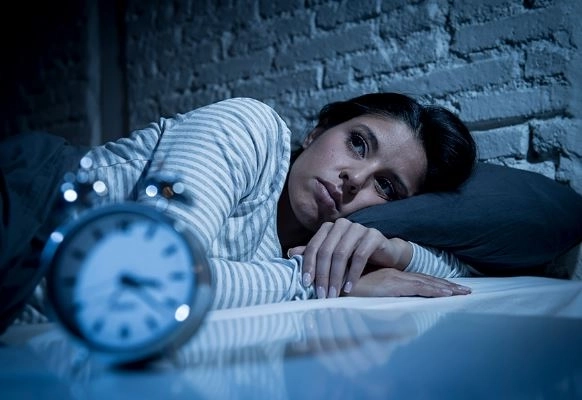

Sleep disorders are among the most common health problems in modern life, with Insomnia being the most prevalent. These conditions significantly affect quality of life, concentration, mental health, and daily performance.

Dr. Mohamed El-Wasefy emphasizes that sleep is not a luxury, but an essential biological function that the body and brain need to restore balance and renew energy.


What Are Sleep Disorders?

Dr. Mohamed El-Wasefy explains that sleep disorders are a group of conditions that affect a person’s ability to sleep normally, whether in falling asleep, staying asleep, or maintaining sleep quality.

Sleep disorders include:

  • Insomnia
  • Sleep apnea
  • Narcolepsy (sleep attacks)
  • Frequent nighttime awakenings

What Is Insomnia?

Dr. Mohamed El-Wasefy notes that insomnia is the most common sleep disorder and refers to difficulty in falling asleep, staying asleep, or achieving restful sleep.

He also emphasizes that insomnia can be either temporary or chronic, depending on its duration and underlying cause.


Symptoms of Sleep Disorders and Insomnia

Dr. Mohamed El-Wasefy explains that symptoms vary from person to person, but the most common include:

  • Difficulty falling asleep at night
  • Frequent nighttime awakenings
  • Feeling tired upon waking up
  • Daytime sleepiness
  • Poor concentration and attention
  • Morning headaches
  • Mood changes and irritability

Causes of Sleep Disorders

Dr. Mohamed El-Wasefy confirms that there are several causes that may lead to sleep disorders, including:

1. Psychological Causes

  • Stress and anxiety
  • Depression
  • Nervous tension

2. Medical Causes

  • Chronic illnesses
  • Body pain
  • Sleep-related breathing disorders

3. Behavioral Causes

  • Using smartphones before sleep
  • Excessive caffeine intake
  • Irregular sleep schedule

He stresses that unhealthy lifestyle habits are among the most common causes of insomnia.


Types of Insomnia

Dr. Mohamed El-Wasefy explains that insomnia is classified into:

  • Transient insomnia: lasts a few days due to stress or life events
  • Acute insomnia: lasts for weeks
  • Chronic insomnia: lasts for months and significantly affects daily life

Effects of Sleep Disorders on the Body

Dr. Mohamed El-Wasefy emphasizes that lack of sleep affects all body systems, including:

  • Weakened immune system
  • Poor memory and concentration
  • Weight gain
  • High blood pressure
  • Mood disorders such as anxiety and irritability

Diagnosis of Sleep Disorders

Dr. Mohamed El-Wasefy explains that diagnosis depends on:

  • Patient’s medical history
  • Daily sleep habits
  • Sleep questionnaires
  • Specialized sleep studies when needed

He stresses that accurate diagnosis is the foundation of effective treatment.


Treatment of Sleep Disorders

Dr. Mohamed El-Wasefy confirms that treatment depends on the underlying cause and may include:

1. Behavioral Therapy

  • Maintaining a regular sleep schedule
  • Reducing screen time before bed
  • Creating a calm sleep environment

2. Medication

  • Sleep aids or sedatives when necessary
  • Only under strict medical supervision

3. Psychological Treatment

  • Managing stress and anxiety
  • Relaxation techniques and breathing exercises

Tips for Better Sleep Quality

Dr. Mohamed El-Wasefy recommends:

  • Sleeping at a consistent time daily
  • Avoiding caffeine in the evening
  • Turning off screens at least one hour before bed
  • Regular physical activity
  • Avoiding overthinking before sleep

Complications of Untreated Insomnia

Dr. Mohamed El-Wasefy warns that untreated sleep disorders may lead to:

  • Severe lack of concentration
  • Psychological disorders such as anxiety and depression
  • Poor academic or work performance
  • Chronic health problems

Dr. Mohamed El-Wasefy emphasizes that sleep disorders are not minor issues but serious health conditions affecting all aspects of life.

He also highlights that early treatment and lifestyle regulation significantly help in overcoming insomnia and improving sleep quality.

Finally, he stresses that combining behavioral therapy, psychological support, and healthy sleep habits is the most effective way to treat sleep disorders successfully and sustainably.

دكتور أسنان فى اسكندريةدكتور نساء وتوليد فى اسكندريةدكتور عيون فى الاسكندريةدكتور نفسية وعصبية فى الاسكندريةدكتور أنف وأذن وحنجرة فى الاسكندريةدكتور طب طبيعى وروماتيزممستشفياتصيدلياتمعامل تحاليلدليلي ميديكالدكتور باطنة في الاسكندريةدكتور جراحة عامة في الاسكندريةدكتور تجميل في الاسكندريةدكتور اوعية دموية في الاسكندريةدكتور أطفال فى إسكندريةدكتور عظام فى إسكندريةدكتور أوعية دموية فى إسكندريةدكتور جهاز هضمى وكبد فى إسكندريةدكتور مسالك بولية فى إسكندريةدكتور قلب فى إسكندريةدكتور جلدية فى إسكندريةدكتور تغذية علاجية فى إسكندريةدكتور حساسية وصدر فى إسكندريةدكتور مخ وأعصاب فى إسكندريةدكتور أورام فى إسكندريةدكتور أسنان بالقاهرةدكتور أطفال بالقاهرةدكتور أنف وأذن وحنجرة بالقاهرةدكتور قلب بالقاهرةدكتور باطنة بالقاهرةدكتور تخاطب بالقاهرةدكتور جراحة أطفال بالقاهرةدكتور أورام بالقاهرةدكتور أوعية دموية بالقاهرةدكتور أمراض دم بالقاهرةدكتور جهاز هضمى وكبد بالقاهرةدكتور حساسية وصدر بالقاهرةدكتور تغذية علاجية بالقاهرةدكتور جراحة تجميل بالقاهرةدكتور جراحة عامة بالقاهرةدكتور جلدية بالقاهرةصيدليات بالقاهرةدكتور نساء وتوليد فى القاهرةدكتور مسالك بولية فى القاهرةدكتور طب طبيعي وروماتيزم بالقاهرةدكتور عظام فى القاهرة
What's your complaint?