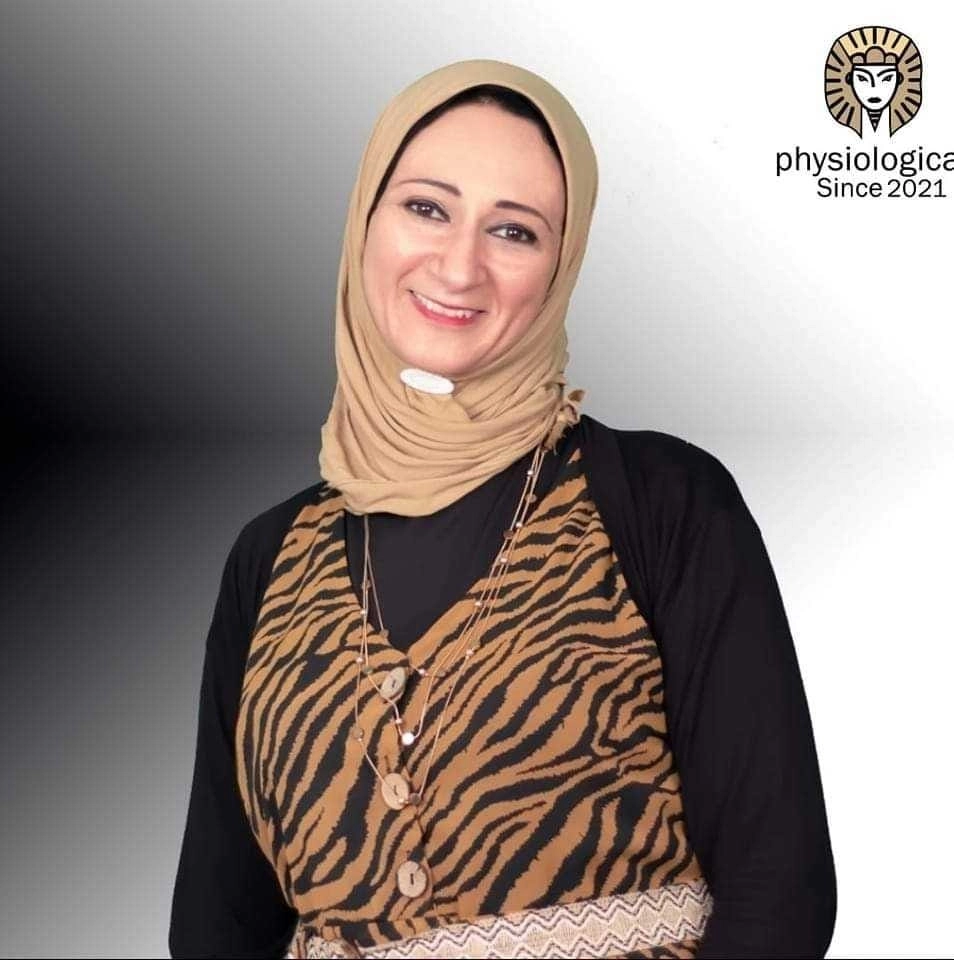

Published on: 2026-04-12 | Written by: Dr. Mohamed El-Wasefy, Professor of Psychiatry

Attention Deficit Hyperactivity Disorder is one of the most common neurodevelopmental and behavioral disorders. It directly affects attention, concentration, behavior, and impulse control, which significantly impacts a child’s academic and social life and may continue into adulthood if not properly managed.
In this article, Dr. Mohamed El-Wasefy emphasizes that understanding this condition scientifically is the first step toward correct treatment, and it is not simply “misbehavior” as some may believe, but rather a medical condition that requires specialized care.
Dr. Mohamed El-Wasefy explains that ADHD is a neurodevelopmental disorder affecting brain functions responsible for attention, organization, decision-making, and behavioral control.
Symptoms usually appear early in childhood and may persist into adulthood if not properly diagnosed and treated.
He also adds that a child with ADHD is not “naughty” as commonly thought, but rather faces real difficulty in controlling attention and excessive activity.
Dr. Mohamed El-Wasefy confirms that symptoms vary from one person to another, but they are mainly divided into three categories:
Dr. Mohamed El-Wasefy stresses that the combination of these symptoms determines the severity of the condition.
Dr. Mohamed El-Wasefy explains that the exact cause is not fully known, but several factors may contribute:
He also emphasizes that ADHD is not caused by poor parenting, as some people mistakenly believe.
Dr. Mohamed El-Wasefy warns that diagnosis must be done carefully through:
He stresses that incorrect diagnosis may lead to inappropriate treatment and delayed improvement.
Dr. Mohamed El-Wasefy explains that treatment is not based on one approach but rather a comprehensive plan including:
Dr. Mohamed El-Wasefy notes that ignoring treatment may lead to:
He recommends:
Dr. Mohamed El-Wasefy warns that untreated cases may lead to:
He also highlights that combining behavioral therapy, medication, and family support is the key to improving the quality of life for both children and adults with ADHD.
Finally, he stresses that raising public awareness about this disorder is essential to reduce its complications and achieve the best possible treatment outcomes.