
Published on: 2026-04-09 | Written by: Dr. Ahmed Atef Khalaf, Consultant Nephrologist
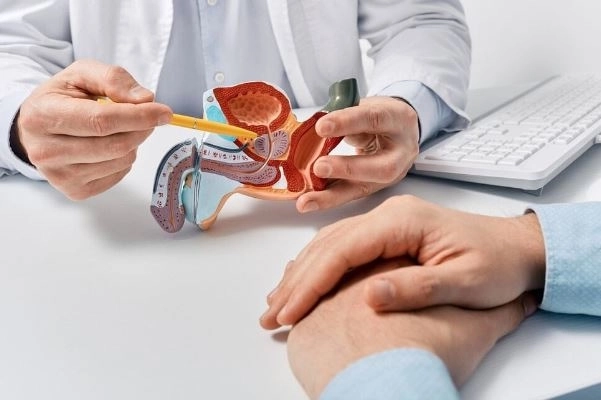
Male infertility is a common issue affecting couples and can cause significant psychological and social stress. Male infertility is defined as the inability to achieve pregnancy after one year of regular unprotected intercourse.
Dr. Ahmed Atef Khallaf emphasizes that early diagnosis and appropriate treatment can significantly increase the chances of conception. He notes that infertility is not the end of the road, as there are effective and safe treatment options available.
Male infertility can result from several factors, including:
Dr. Ahmed Atef Khallaf stresses that a comprehensive medical examination helps identify the exact cause and determine the most appropriate treatment plan for each patient.
Measures sperm count, motility, and morphology to assess fertility.
Identify hormonal imbalances that may affect sperm production.
Such as ultrasound or MRI to examine the testes and sperm ducts.
Dr. Ahmed Atef Khallaf confirms that accurate diagnosis is essential to selecting the proper treatment and improving success rates.
Used to treat hormonal disorders or infections affecting the testes and reproductive glands.
Used to correct sperm duct blockages or varicoceles, which can improve sperm quality.
Such as ICSI (intracytoplasmic sperm injection) and IVF (in vitro fertilization), effective for cases not responsive to conventional treatment.
Dr. Ahmed Atef Khallaf emphasizes that choosing the right treatment depends on the primary cause of infertility, and careful medical follow-up increases the chances of conception.
Dr. Ahmed Atef Khallaf confirms that following these tips can improve sperm quality and increase the likelihood of natural conception.
With the expertise of Dr. Ahmed Atef Khallaf, various causes of male infertility can be addressed safely and effectively, with proper medical guidance and support to ensure the best chance for conception while maintaining overall male health.