
Published on: 2026-03-14 | Written by: Dr. Walid Harhash, PhD in Orthopedics and Spine
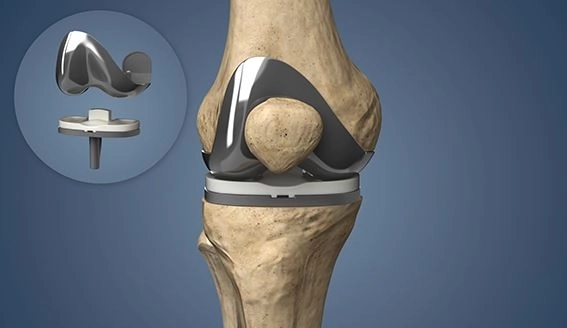
Joint surgery is a medical specialty that focuses on treating injuries and diseases affecting the joints, whether caused by accidents, chronic stress, or conditions like arthritis and osteoarthritis. Dr. Walid Harhash emphasizes that early diagnosis and modern surgical techniques play a major role in restoring mobility and improving patients’ quality of life.
1. Age-Related Wear and Tear
Over time, cartilage may deteriorate, affecting joint function and causing pain and limited mobility.
Dr. Walid Harhash stresses that joint replacement surgery is a safe and effective solution to maintain mobility and reduce pain.
2. Sports Injuries and Accidents
Fractures, cartilage tears, and ligament injuries may require surgical intervention to restore normal joint function.
According to Dr. Walid Harhash, precise diagnosis with X-rays and MRI is essential before deciding on surgery.
3. Inflammatory Joint Diseases
Conditions such as rheumatoid arthritis or gout can destroy joints if not properly treated.
Dr. Walid Harhash confirms that surgical intervention after a careful assessment helps restore function and relieve chronic pain.
4. Cartilage and Tendon Injuries
Includes meniscus tears in the knee or shoulder injuries, which may require arthroscopic surgery to repair the damage.
Dr. Walid Harhash emphasizes that using arthroscopy reduces recovery time and provides accurate results.
5. Severe Osteoarthritis and Joint Degeneration
When joints are significantly damaged, joint replacement surgery may be the best solution.
Dr. Walid Harhash highlights that thorough pre-surgery evaluation and careful post-operative follow-up ensure successful outcomes and allow patients to return to normal life.
Comprehensive Medical Evaluation: Includes clinical examinations, lab tests, and imaging.
Determining the Type of Surgery: Whether open surgery, arthroscopy, or joint replacement.
Rehabilitation and Physical Therapy: To strengthen muscles around the joint and improve mobility.
Regular Follow-Up: To ensure proper healing and prevent complications.
Doctor’s Instructions: Dr. Walid Harhash emphasizes adhering to physical therapy and follow-up guidelines to achieve the best results.
Perform appropriate exercises to strengthen muscles around the joint.
Maintain a healthy weight to reduce joint stress.
Avoid sudden movements or excessive strain.
Eat a balanced diet rich in calcium and vitamin D to strengthen bones.
Dr. Walid Harhash stresses the importance of routine check-ups for patients with a history of joint problems or previous injuries to ensure long-term joint health.