
Published on: 2026-03-14 | Written by: Dr. Walid Harhash, PhD in Orthopedics and Spine
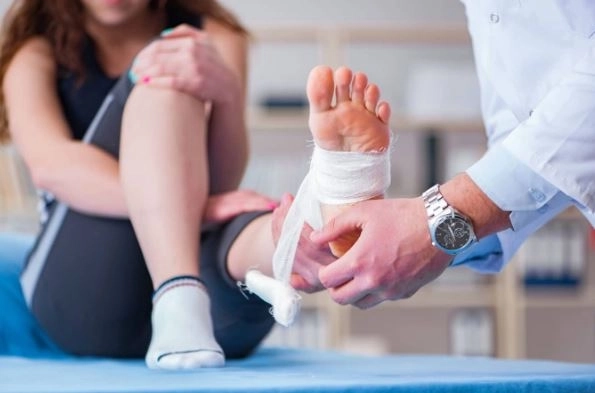
Sports injuries are among the most common problems for athletes, whether professional or amateur. These injuries can affect muscles, ligaments, joints, and bones, directly impacting athletic performance. Dr. Walid Harhash emphasizes that prevention, early diagnosis, and proper treatment are key factors in avoiding complications and maintaining optimal performance.
1. Muscle Injuries
Include muscle strains, tears, and overuse injuries during training or matches.
Dr. Walid Harhash stresses that proper warm-up and cool-down routines, along with the use of stretching and recovery techniques, significantly reduce the risk of muscle injuries.
2. Ligament and Joint Injuries
Such as anterior cruciate ligament (ACL) tears, collateral ligament tears, and ankle sprains.
Dr. Walid Harhash confirms that these injuries require precise medical evaluation with tests and imaging to ensure accurate diagnosis and proper treatment.
3. Fractures and Bone Stress Injuries
Caused by direct impact or sudden movements, including fractures of hands, feet, and legs.
Dr. Walid Harhash emphasizes the importance of correct fracture stabilization and follow-up to prevent long-term complications.
4. Head Injuries and Concussions
Result from collisions or falls, and may cause dizziness, loss of consciousness, or concentration issues.
Dr. Walid Harhash highlights that any head injury must be treated very carefully, with full neurological assessment before returning to sports activity.
5. Tendon Injuries
Such as partial or complete tears of the shoulder, knee, or Achilles tendons.
According to Dr. Walid Harhash, early treatment, whether conservative or surgical, is essential to prevent muscle weakness or loss of mobility.
Overloading muscles and joints
Poor fitness level or insufficient warm-up before activity
Sudden movements or collisions during matches
Using improper equipment or unsafe playing surfaces
Previous history of injuries
Dr. Walid Harhash stresses that understanding these factors helps athletes and coaches significantly reduce the risk of injuries.
Warm-up and Stretching: Essential before and after any sports activity.
Physical Fitness and Proper Training: To prepare muscles and the body for exertion.
Protective Equipment: Such as proper shoes, knee and elbow guards.
Physical Therapy and Rehabilitation: After any injury to ensure a safe return to sports.
Continuous Medical Follow-up: Dr. Walid Harhash emphasizes that early consultation with a specialist prevents complications and maintains athletic performance.
Follow a balanced and progressive training program.
Pay attention to any pain or swelling and consult a doctor immediately.
Maintain proper nutrition and stay hydrated during training and matches.
Avoid rushing back to activity after an injury.
Dr. Walid Harhash stresses that adhering to these guidelines protects athletes from injuries and enhances long-term performance.