

Published on: 2026-03-14 | Written by: Dr. Mayada Farag Endocrinology Diabetes
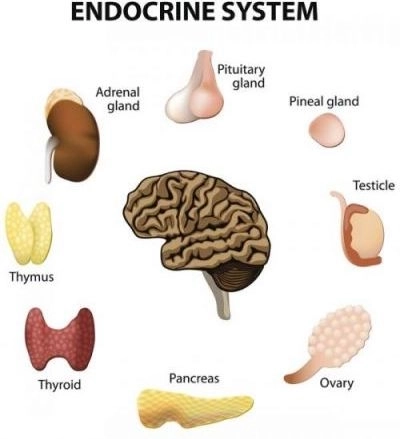
Endocrine glands are a vital part of the body system that regulate a wide range of essential functions by secreting hormones directly into the bloodstream. These glands play a key role in controlling growth, metabolism, hormonal balance, sexual functions, and overall organ performance. Dr. Mayada Farag emphasizes that understanding the endocrine glands and their disorders is crucial for maintaining general health and preventing chronic complications.
1. Thyroid Gland
Located in the neck, it secretes hormones (T3 and T4) that control metabolism and body growth.
Dr. Mayada Farag points out that thyroid disorders can lead to weight gain, chronic fatigue, hair loss, and mood swings, making early diagnosis essential.
2. Pituitary Gland
Known as the "master gland" because it controls most of the other glands in the body.
It secretes hormones that regulate growth, blood pressure, and reproductive functions.
According to Dr. Mayada Farag, any dysfunction of the pituitary gland can directly affect hormonal balance and lead to multiple health issues.
3. Adrenal Glands
Located above the kidneys, they secrete hormones such as cortisol and adrenaline, which are responsible for stress response and blood sugar regulation.
Dr. Mayada Farag stresses that adrenal gland disorders can cause high blood pressure, weakened immunity, and weight changes, so monitoring adrenal function regularly is vital.
4. Pancreas
The pancreas has a dual role: as an endocrine gland (secreting insulin and glucagon) and as an exocrine gland (secreting digestive enzymes).
Blood sugar regulation is closely linked to pancreatic function.
Dr. Mayada Farag confirms that any insulin secretion imbalance can lead to diabetes or insulin resistance, making regular medical follow-ups essential.
5. Gonads (Ovaries and Testes)
These glands are responsible for producing sex hormones, regulating the menstrual cycle in women, and sperm production in men.
Dr. Mayada Farag emphasizes that any disorder in these glands can lead to fertility problems or hormonal changes affecting overall health.
Hypothyroidism and hyperthyroidism
Type 1 and Type 2 diabetes
Pituitary and adrenal gland disorders
Sex hormone and fertility issues
Dr. Mayada Farag stresses that prevention and early screening can reduce complications and ensure a healthier life. Routine tests, including hormone blood tests, imaging, and metabolic assessments, are essential for early diagnosis of any imbalance.
Follow a balanced diet rich in essential vitamins and minerals.
Engage in regular physical activity to stimulate metabolism.
Monitor weight, blood pressure, and blood sugar levels regularly.
Avoid psychological stress and excessive fatigue, as endocrine glands are affected by mental state.
Visit an endocrinologist for routine check-ups and consult a doctor if any abnormal symptoms appear. Dr. Mayada Farag emphasizes the importance of these tips to ensure proper hormonal balance and overall optimal health.