
Published on: 2026-03-14 | Written by: Dr. Mohamed Hassan, Consultant Orthopedic Surgeon
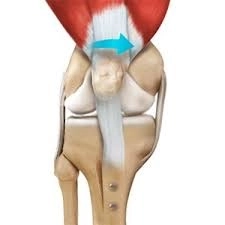
Knee Surgery and Repair of Cartilage and Ligaments: Accurate Diagnosis and Modern Treatment Methods
Dr. Mohamed Hassan emphasizes that knee, cartilage, and ligament injuries are among the most common problems for athletes and the elderly, and that early and precise diagnosis of these injuries is essential to avoid complications and maintain long-term knee health.
Dr. Mohamed Hassan confirms that each knee injury case requires an individual assessment because the type, location, and nature of the tissue damage determine the optimal treatment and surgical approach.
What Is Knee Surgery and Cartilage and Ligament Repair?
Dr. Mohamed Hassan stresses that knee surgery aims to repair damage to the cartilage and ligaments that maintain joint stability and function. These procedures include repairing meniscus tears, reconstructing knee ligaments, and treating wear or damage caused by sports injuries or aging.
Dr. Mohamed Hassan confirms that choosing the appropriate surgical technique depends on accurate diagnosis, the extent of the damage, and the knee’s response to conservative treatment before surgery.
Causes of Knee, Cartilage, and Ligament Injuries
Dr. Mohamed Hassan emphasizes that knee injuries have various causes, including:
Sports injuries or severe accidents
Wear and tear due to aging or repetitive use
Weakness of muscles surrounding the knee or poor muscle balance
Ligament tears from sudden movements or twists
Dr. Mohamed Hassan confirms that identifying the cause precisely helps select the proper treatment and reduces the risk of future injuries.
Symptoms of Cartilage and Ligament Damage
Medical expertise stresses that there are clear signs of cartilage or ligament injury, including:
Sharp or chronic knee pain
Swelling and fluid retention in the joint
Weakness or instability in knee movement
Popping or grinding sounds during movement
Dr. Mohamed Hassan warns that patients should consult a doctor immediately if these symptoms appear to ensure early diagnosis and prevent the condition from worsening.
Accurate Diagnosis Before Surgery
Dr. Mohamed Hassan emphasizes that precise diagnosis is the essential step before any knee surgery, including:
Clinical examination to assess range of motion and joint stability
X-rays to evaluate the bones and joint condition
MRI to accurately assess the cartilage and ligaments
Dr. Mohamed Hassan confirms that this comprehensive diagnosis helps create a precise surgical plan tailored to each patient.
Knee Treatment and Cartilage Surgery Methods
Medical expertise stresses that treatment depends on the type and extent of the injury. Dr. Mohamed Hassan confirms that treatment methods include:
Arthroscopic surgery to repair cartilage and ligaments while minimizing recovery time
Ligament reconstruction to ensure knee stability
Postoperative physical therapy and rehabilitation programs to strengthen surrounding muscles and improve mobility
Continuous follow-up to evaluate results and prevent complications
Dr. Mohamed Hassan emphasizes that adherence to treatment and medical instructions after surgery is essential to ensure the best outcomes and improve the patient’s quality of life.
Tips to Prevent Knee Injuries
Medical expertise stresses the importance of prevention to maintain knee health. Dr. Mohamed Hassan confirms that prevention tips include:
Performing exercises to strengthen muscles around the knee
Maintaining a healthy weight to reduce joint pressure
Avoiding sudden movements or overexertion in sports activities
Consulting a doctor if there is persistent pain or weakness in the knee