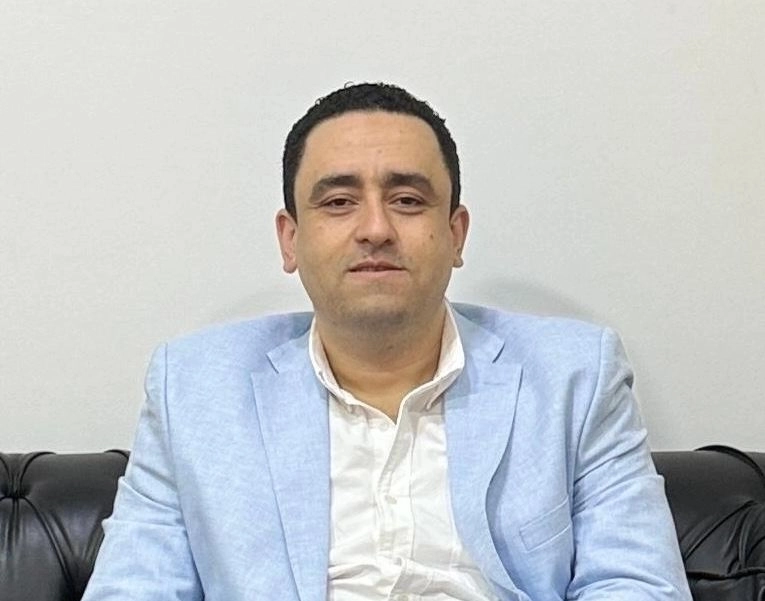

Published on: 2026-03-14 | Written by: Dr. Islam Al-Zaim hematological diseases

Lymph Node Tumors: Accurate Diagnosis and Modern Treatment Methods
Dr. Islam El-Zaeem emphasizes that lymph node tumors are serious diseases that require precise diagnosis and specialized treatment, as they can directly affect the immune system and may spread if not properly managed.
Dr. Islam El-Zaeem confirms that early examination and precise tests are the key to determining the type of tumor and creating an appropriate treatment plan for each patient, as each case has unique characteristics that require individualized and specialized evaluation.
What Are Lymph Node Tumors?
Dr. Islam El-Zaeem stresses that lymph node tumors are a type of cancer that begins in the cells of the lymphatic system, which is an essential part of the body’s immune system. These tumors can be either Hodgkin’s or Non-Hodgkin’s type, and Dr. Islam El-Zaeem confirms that knowing the exact type helps in selecting the optimal treatment.
Tumors usually appear in lymph nodes located in the neck, armpits, and groin, and patients may notice painless swelling or general symptoms such as fever, weight loss, or night sweats.
Causes of Lymph Node Tumors
Dr. Islam El-Zaeem emphasizes that the causes of lymph node tumors are varied and may include:
Genetic mutations in lymphatic system cells
Weakened immunity or certain chronic diseases
Some viral infections affecting the immune system
Dr. Islam El-Zaeem confirms that identifying the causes helps in creating preventive and therapeutic plans suitable for patients.
Symptoms of Lymph Node Tumors
Medical expertise stresses that there are clear signs that may indicate lymph node tumors, including:
Swelling of lymph nodes in the neck, armpits, or groin
Persistent fever without a clear cause
Rapid and unexplained weight loss
Severe night sweats
Continuous fatigue
Dr. Islam El-Zaeem warns that patients should consult a doctor immediately if these symptoms appear to ensure early diagnosis and timely treatment.
Methods for Diagnosing Lymph Node Tumors
Medical practice emphasizes the importance of precise testing for confirmation, and Dr. Islam El-Zaeem confirms that diagnosis includes:
Comprehensive blood tests to evaluate body function and tumor markers
CT scans and MRI to determine the tumor size and location
Lymph node biopsy to analyze cells and identify the tumor type accurately
Dr. Islam El-Zaeem stresses that following these procedures carefully helps create an effective, personalized treatment plan for each patient.
Treatment of Lymph Node Tumors
Dr. Islam El-Zaeem emphasizes that treatment depends on the tumor type and stage, and may include:
Chemotherapy to destroy cancerous cells
Radiotherapy to reduce tumor size
Bone marrow transplantation in critical cases requiring radical treatment
Close medical follow-up to assess treatment response and minimize complications
Dr. Islam El-Zaeem confirms that adherence to treatment and regular follow-up ensures the best results and improves patients’ quality of life.
Tips for Prevention and Monitoring
Medical expertise stresses the importance of regular screening for individuals at risk of lymph node tumors. Dr. Islam El-Zaeem points out that prevention includes:
Monitoring any swelling in lymph nodes or abnormal symptoms
Maintaining a strong immune system through healthy nutrition and adequate sleep
Consulting a doctor immediately upon noticing any suspicious symptoms for early diagnosis
Dr. Islam El-Zaeem warns that early detection and regular follow-up are the keys to successful treatment of lymph node tumors and achieving the best therapeutic outcomes.