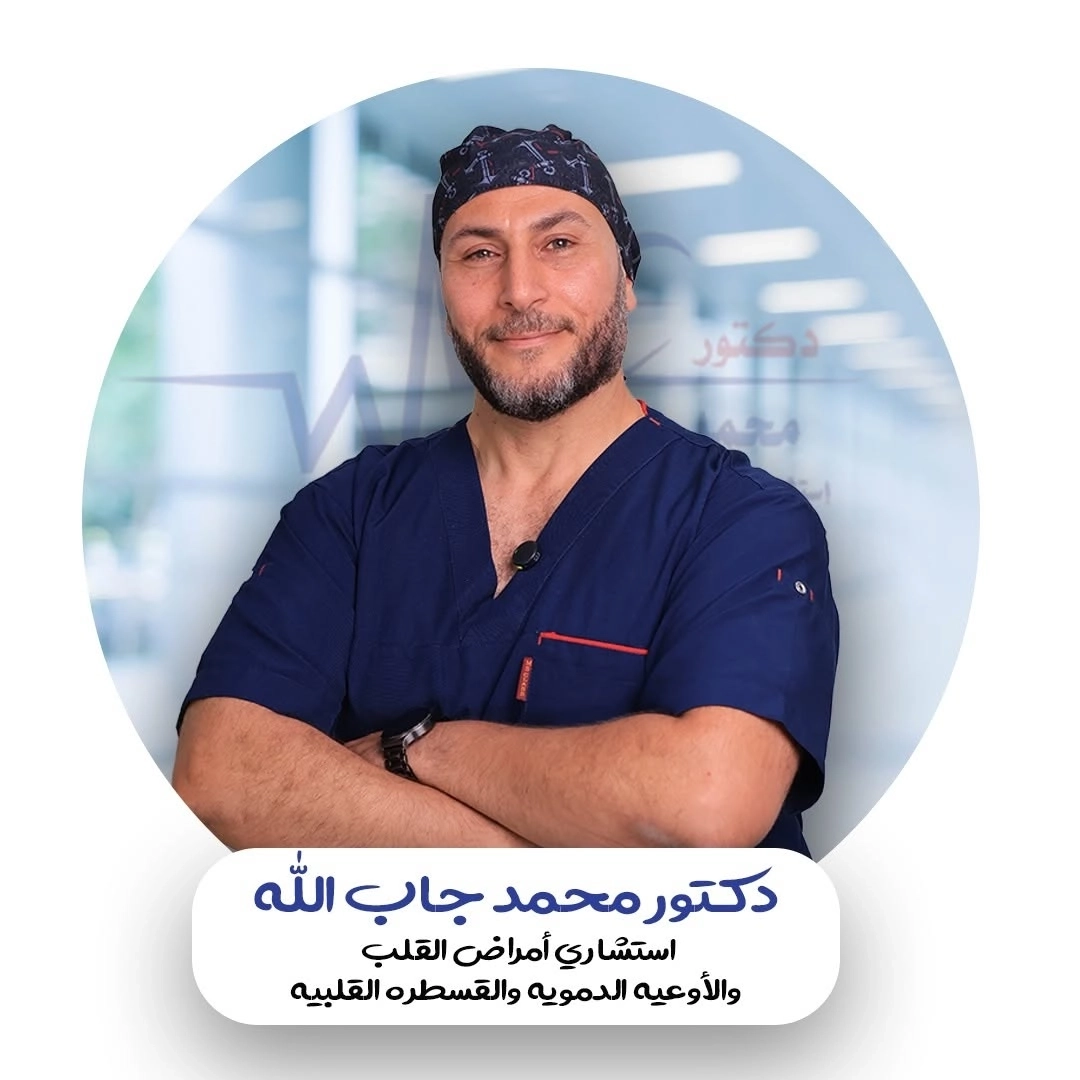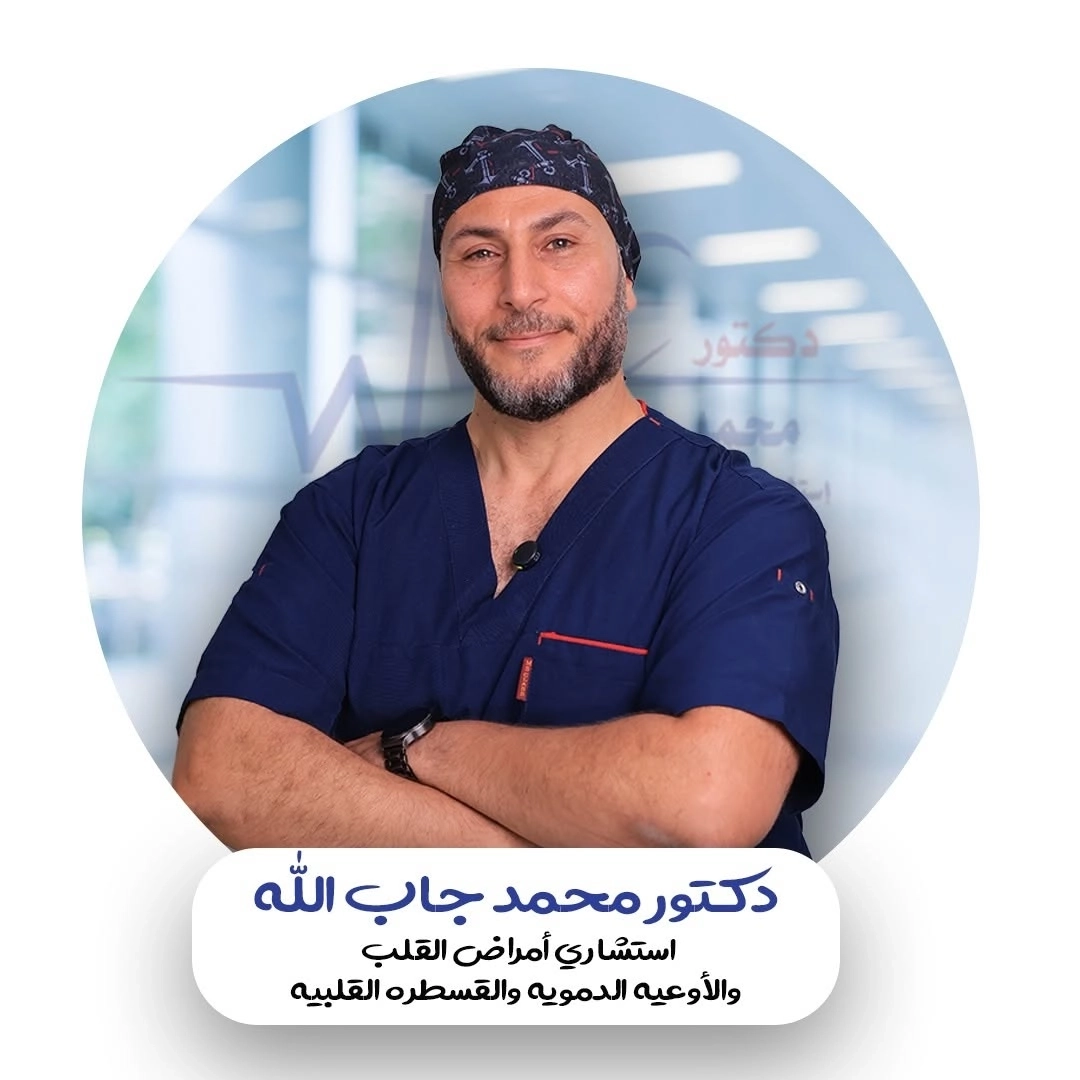

Published on: 2026-03-14 | Written by: Dr. Moshir Morshed Prof of Cardiovascular Diseases

Sudden rapid heartbeats are a common health issue that requires immediate attention, as they may indicate heart rhythm disturbances or other underlying health problems. Dr. Mosheer Morshed emphasizes that monitoring heart rate regularly is essential for early detection of any irregularities and maintaining heart health.
Sudden rapid heartbeats, also known as palpitations, occur when a person feels their heart racing unexpectedly and abnormally. They may be experienced as a strong or irregular heartbeat. Common types include:
Supraventricular Tachycardia (SVT): Rapid heartbeat originating from the atria
Ventricular Tachycardia (VT): Rapid heartbeat originating from the ventricles
Premature Beats: Extra irregular heartbeats
Dr. Mosheer Morshed explains that identifying the type of palpitations is crucial to determine the appropriate treatment and prevent potential complications.
Several factors can lead to sudden rapid heartbeats, including:
Electrical disturbances in the heart, such as arrhythmias
Severe stress or anxiety affecting heart rate
Physical exertion or overexertion
Thyroid disorders and increased hormone activity
Excessive caffeine or stimulant consumption
Chronic heart diseases, such as atherosclerosis or cardiomyopathy
Dr. Mosheer Morshed confirms that accurate diagnosis through clinical examination, imaging, and lab tests ensures the selection of the most effective treatment for each case.
Common symptoms include:
Feeling of a racing or strong heartbeat
Dizziness or fainting
Shortness of breath
Chest pain or pressure
Fatigue and rapid tiredness
Dr. Mosheer Morshed emphasizes that experiencing any of these symptoms requires immediate medical consultation to prevent serious complications such as cardiac arrest or sudden fainting.
Dr. Mosheer Morshed stresses the importance of precise diagnosis using modern medical devices, including:
Electrocardiogram (ECG): Records the heart’s electrical activity
Holter Monitor: Continuous monitoring of heartbeats for 24–48 hours
Stress Test: Observes heart rate during physical activity
Chest X-ray or Cardiac CT Scan: When needed for further evaluation
Blood Tests: Detect thyroid disorders or electrolyte imbalances
Treatment depends on the underlying cause and may include:
Anti-arrhythmic medications
Electrical cardioversion in urgent cases
Catheter ablation for certain arrhythmias
Lifestyle modifications, such as reducing stimulants, exercising regularly, and managing stress
Pacemaker implantation in specific cases
Dr. Mosheer Morshed confirms that adherence to treatment and regular follow-up ensures control of rapid heartbeats and prevents complications.
Avoid smoking and limit caffeinated or stimulating drinks
Exercise regularly as advised by your doctor
Follow a balanced diet rich in fruits and vegetables
Manage stress and practice relaxation techniques
See a doctor immediately if sudden palpitations occur
In conclusion, Dr. Mosheer Morshed emphasizes that sudden rapid heartbeats are not just a temporary sensation. They can indicate underlying health issues that require accurate diagnosis and effective treatment to maintain heart health and normal daily life.