
Published on: 2026-03-14 | Written by: Dr. Sayed Al-Atroushi, Professor of Chest, Allergy
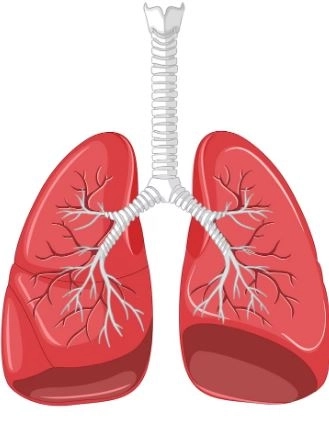
The respiratory system is one of the most important systems in the human body, as it allows the exchange of oxygen and carbon dioxide between the blood and the surrounding air. This process is essential for life and for maintaining the overall health of the body. Dr. Sayed El-Atroshi confirms that taking care of respiratory health is crucial for preventing chronic diseases and maintaining the functional capacity of the lungs.
The respiratory system consists of several parts that work together in harmony to ensure efficient gas exchange. These parts include:
Nose and mouth: The main entry points for air and the first line of filtration from dust and particles
Pharynx and larynx: Passages that allow air to move toward the lungs while protecting the airway
Trachea and bronchi: Tubes that carry air directly into the lungs
Lungs: The primary organs responsible for gas exchange, where oxygen enters the bloodstream and carbon dioxide is expelled
Diaphragm and respiratory muscles: Assist in the breathing process through inhalation and exhalation
Dr. Sayed El-Atroshi explains that each part of this system plays a vital role in maintaining healthy breathing and proper lung function.
The respiratory system can be affected by many diseases that may interfere with its normal function. Some of the most common include:
Asthma: A chronic condition that causes narrowing of the airways and difficulty breathing
Acute and chronic bronchitis: Inflammation of the bronchial tubes affecting airflow
Pneumonia: An infection of the lungs that reduces oxygen exchange
Chronic Obstructive Pulmonary Disease (COPD): A group of diseases including emphysema and chronic bronchitis
Lung cancer: Abnormal growth of lung cells that may impair breathing function
Dr. Sayed El-Atroshi emphasizes that early diagnosis and appropriate treatment are essential to reduce complications and protect the lungs from long-term damage.
Dr. Sayed El-Atroshi highlights the importance of using advanced medical technologies to accurately diagnose respiratory diseases. The most common diagnostic methods include:
Chest X-ray: Used to evaluate the condition of the lungs and airways
CT scan: Provides highly detailed images of the lungs for accurate diagnosis
Pulmonary Function Tests (PFTs): Measure how well the lungs work in breathing and gas exchange
Bronchoscopy: Allows direct examination of the airways and collection of samples if needed
Blood gas analysis: Measures oxygen and carbon dioxide levels in the blood
Modern treatments for respiratory conditions may include:
Bronchodilators and corticosteroids to treat asthma and airway obstruction
Antibiotics and antiviral medications for respiratory infections
Pulmonary rehabilitation programs to improve breathing capacity
Surgical procedures in advanced conditions such as lung cancer or severe lung damage
Oxygen therapy and respiratory support devices for patients with breathing failure
Dr. Sayed El-Atroshi confirms that combining accurate diagnosis with advanced treatment options allows patients to regain better respiratory function and live healthier lives.
Avoid smoking and exposure to secondhand smoke
Exercise regularly to strengthen lung capacity
Maintain good hygiene and reduce exposure to pollution and viruses
Visit a doctor if symptoms such as persistent cough or shortness of breath appear
Follow medical advice and regular checkups for chronic respiratory conditions
In conclusion, Dr. Sayed El-Atroshi emphasizes that caring for the respiratory system is essential for overall health. Using modern diagnostic devices and advanced treatment techniques helps ensure early detection of diseases and provides the best possible outcomes for patients.