
Published on: 2026-03-12 | Written by: Dr. Ahmed Ezzat Consultant in Vitreous Surgery
Retinal surgeries are among the most precise procedures in ophthalmology, used to treat a variety of retinal problems such as retinal detachment, retinal tears, diabetic retinopathy, and retinal hemorrhage. Dr. Ahmed Ezzat Mahmoud confirms that these surgeries represent a major advancement in preserving vision and preventing vision loss, combining modern technology with specialized medical expertise.
Retinal surgeries are delicate procedures aimed at treating problems within the retina. The most common procedures include:
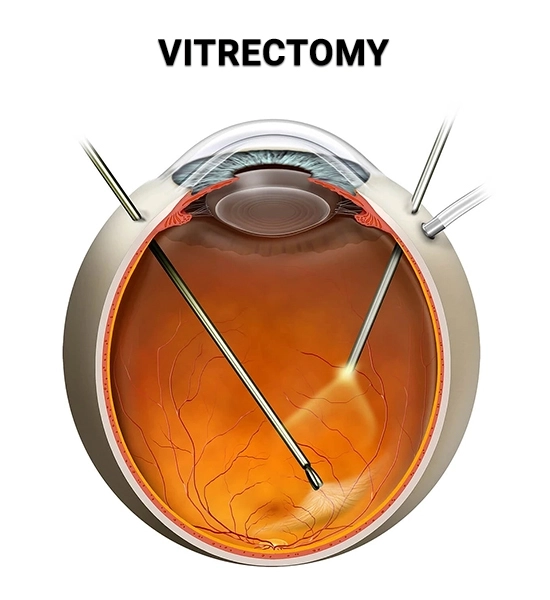
Vitrectomy: Removing the affected vitreous fluid to treat hemorrhage or retinal tears
Retinal Detachment Repair: Restoring the retina to its natural position using various techniques
Laser Photocoagulation: Treating weak or damaged areas of the retina to prevent further complications
Intraocular Drug Injections: Treating conditions such as diabetic retinopathy or macular edema
Dr. Ahmed Ezzat Mahmoud explains that the choice of surgery depends on the retina’s condition, the extent of damage, and the patient’s overall health to ensure optimal results.
The benefits of these surgeries include:
Preserving vision and preventing vision loss
Treating retinal hemorrhage or tears
Improving visual quality for patients with chronic retinal diseases
Preventing complications that could lead to blindness
Enhancing the ability to perform daily activities confidently
Dr. Ahmed Ezzat Mahmoud emphasizes that advances in retinal surgery techniques, such as laser treatment and microsurgical vitrectomy, have made these procedures safer and more effective.
Not every patient requires retinal surgery, so a thorough evaluation is conducted beforehand. Candidates include:
Patients with retinal detachment or tears
Patients with diabetic retinopathy unresponsive to conventional treatments
Presence of intraocular hemorrhage affecting vision
Other retinal disorders that threaten eye health
Dr. Ahmed Ezzat Mahmoud explains that a complete medical assessment, including retinal imaging and necessary scans, determines the most suitable procedure for each case.
Comprehensive eye and retina evaluation
Selecting the appropriate surgical technique (vitrectomy, laser, or intraocular injection)
Preparing and sterilizing the eye before surgery
Performing the procedure with high precision under local or general anesthesia as needed
Monitoring post-operative progress with regular follow-ups to ensure surgical success
Dr. Ahmed Ezzat Mahmoud confirms that following these steps ensures vision restoration and protects the eye from potential complications.
To achieve optimal results after surgery, doctors recommend:
Following prescribed eye drops and medications regularly
Avoiding rubbing the eye or exposing it to trauma
Attending all scheduled follow-up visits to monitor the retina
Maintaining a healthy lifestyle to reduce risks of other retinal diseases
Reporting any unusual symptoms to the doctor immediately
In conclusion, Dr. Ahmed Ezzat Mahmoud confirms that retinal surgeries have become safe and effective procedures for treating retinal problems and preserving vision. They combine precise medical expertise with advanced technology to ensure the best outcomes for patients.