

Published on: 2026-03-12 | Written by: Dr. Ahmed Ezzat Consultant in Vitreous Surgery
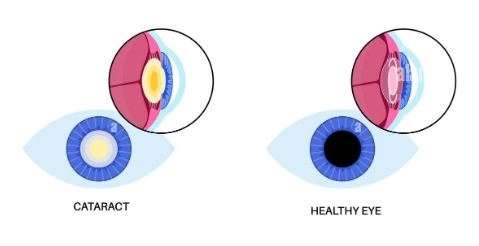
Lens implantation is one of the latest solutions in ophthalmology and eye surgery for correcting vision problems such as myopia, hyperopia, and astigmatism. It allows patients to achieve clear vision without the need for glasses or contact lenses. Dr. Ahmed Ezzat Mahmoud confirms that lens implantation provides fast and safe results and is an ideal choice for patients with severe vision impairment or those who cannot undergo conventional laser procedures.
Lens implantation is a medical procedure in which an artificial lens is placed inside the eye to replace the natural lens or correct vision problems. There are two main types:
Phakic Intraocular Lenses (IOLs): Implanted without removing the natural lens, helping correct high myopia or hyperopia
Refractive Lens Exchange (RLE): The natural lens is replaced with an artificial lens to correct vision and improve eyesight
Dr. Ahmed Ezzat Mahmoud explains that the choice of lens type depends on a careful assessment of the eye condition and degree of vision impairment to ensure the best possible results safely.
The benefits of lens implantation include:
Clear and precise vision without glasses or contact lenses
Correcting severe refractive errors that are difficult to treat otherwise
Quick and safe procedure under specialized medical supervision
Improving quality of daily life and the ability to perform activities confidently
Long-lasting and permanent results in most cases
Dr. Ahmed Ezzat Mahmoud emphasizes that these benefits make lens implantation an excellent option for patients seeking a safe and effective solution for vision problems.
Not every patient is suitable for lens implantation, so a thorough evaluation is performed before the procedure. The main criteria include:
The patient’s age must be appropriate for the chosen lens type
Stable vision prescription over a certain period
No other serious eye conditions, such as advanced cataracts or retinal disease
Adequate corneal thickness and overall eye health
Dr. Ahmed Ezzat Mahmoud explains that a comprehensive medical assessment is the most important factor in determining patient suitability for this advanced technique.
Comprehensive eye evaluation and necessary diagnostic tests
Selecting the most suitable lens type according to patient needs
Preparing and sterilizing the eye before the procedure
Performing the surgery with high precision under local anesthesia
Monitoring results after surgery and providing post-operative care instructions
Dr. Ahmed Ezzat Mahmoud confirms that following these steps ensures the success of the procedure and achieves the best possible outcomes for patients.
To ensure optimal results after lens implantation, doctors recommend:
Using prescribed eye drops regularly
Avoiding rubbing the eyes or exposure to injury
Attending follow-up visits to monitor the lens and eye health
Staying away from dust and smoke during the initial recovery period
Protecting eyes from direct sunlight using suitable sunglasses
In conclusion, Dr. Ahmed Ezzat Mahmoud emphasizes that lens implantation has become an ideal and safe solution for vision improvement and correction. It combines modern technology with patient comfort and provides precise, long-lasting results.