

Published on: 2026-03-03 | Written by: Triaq Cancer Treatment Center
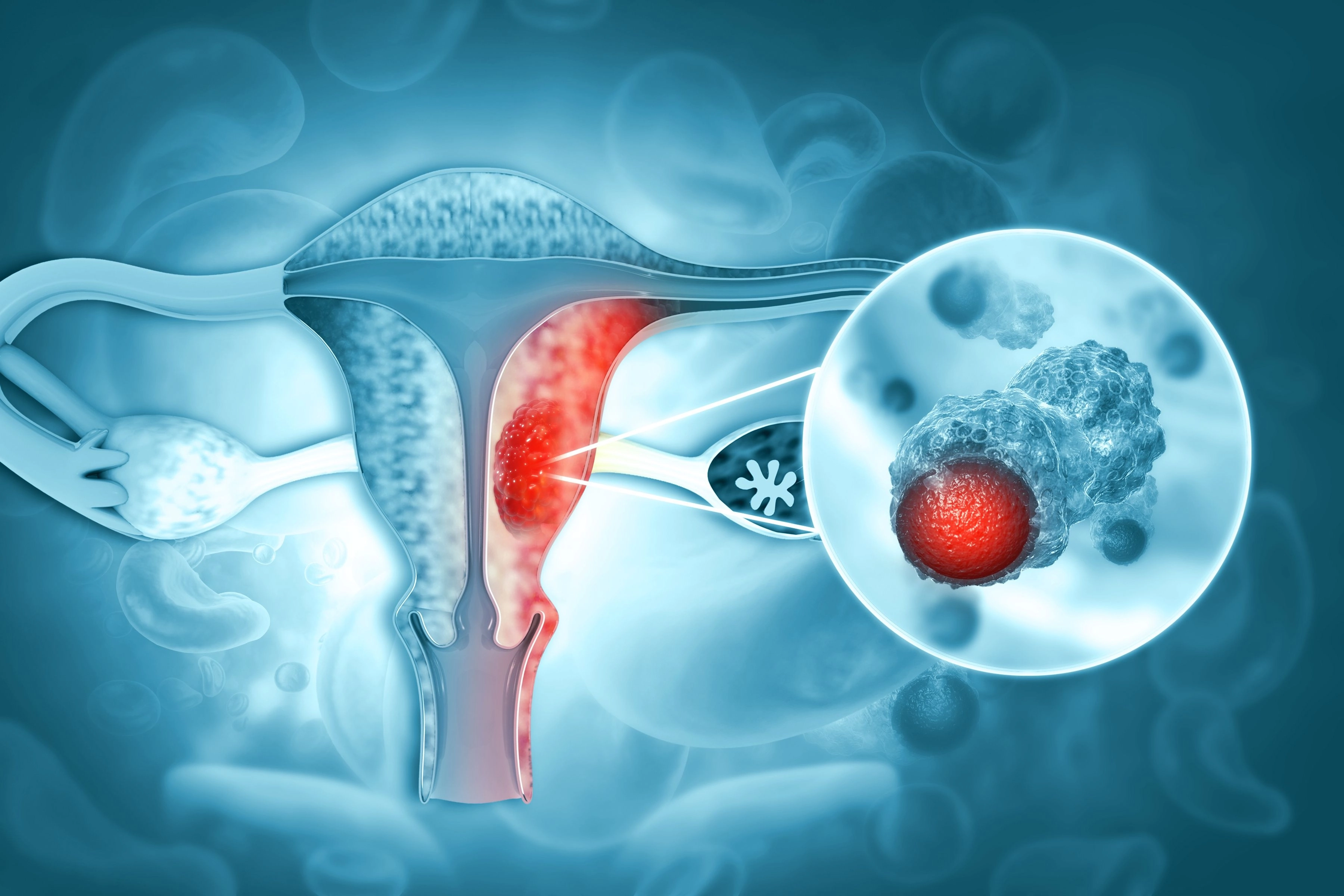
Reproductive System Tumors: Causes, Symptoms, and Modern Treatment Methods
Teryaq Center emphasizes that reproductive system tumors are conditions that require strong health awareness and regular screening, as early detection makes a significant difference in recovery rates.
Reproductive system tumors include cancers that affect the male and female reproductive organs, and studies indicate that these tumors may develop silently in their early stages without clear symptoms, which makes paying attention to any unusual changes essential.
What Are Reproductive System Tumors?
Teryaq Center explains that reproductive system tumors are abnormal cell growths in the reproductive organs, and they may be benign or malignant depending on the nature of the cells and their spread.
In women, these include cervical cancer, uterine cancer, and ovarian cancer. In men, they include prostate cancer and testicular cancer. Physicians confirm that accurately identifying the tumor type is the foundation for selecting the appropriate treatment plan.
Causes of Reproductive System Tumors
Teryaq Center stresses that multiple risk factors may increase the likelihood of developing these tumors and should be recognized and minimized whenever possible.
The most important causes include:
Infection with certain viruses such as Human Papillomavirus (HPV), which research highlights as strongly linked to cervical cancer.
Hormonal changes, which physicians confirm play a role in some uterine and ovarian tumors.
Advancing age, as statistics show increased incidence after certain age groups.
Family history, and specialists warn that regular screening is essential if there is a previous family history of cancer.
Symptoms of Reproductive System Tumors
Teryaq Center warns that symptoms vary depending on the type and location of the tumor, but they often appear as warning signs that should never be ignored.
Key symptoms include:
Abnormal vaginal bleeding in women, and physicians confirm that any bleeding outside the normal menstrual cycle requires medical evaluation.
Pelvic or lower abdominal pain, and medical guidelines clarify the importance of assessing persistent pain.
Difficulty or pain during urination, and specialists advise prompt consultation.
A lump or swelling in the testicle, and doctors confirm that early examination greatly increases treatment success rates.
Diagnosis of Reproductive System Tumors
Teryaq Center emphasizes that early and accurate diagnosis relies on advanced medical technologies to properly determine the stage of the disease.
Diagnostic methods include:
Specialized clinical examination, which physicians explain is essential for early detection.
Ultrasound or MRI imaging, which specialists confirm helps determine tumor size and spread.
Tumor marker blood tests, which guidelines clarify are supportive tools for monitoring.
Biopsy (tissue sampling), which doctors confirm is the definitive method for confirming diagnosis.
Treatment Options for Reproductive System Tumors
Teryaq Center explains that treatment depends on the tumor type, stage, and the patient’s overall health condition, with an individualized treatment plan designed for each case.
Treatment options include:
Surgery to remove the tumor, and physicians confirm its effectiveness in early stages.
Chemotherapy, which studies highlight as important in reducing cancer cell spread.
Radiation therapy, which specialists clarify plays a role in certain advanced cases.
Hormonal or immunotherapy, and doctors confirm their significant advancements in recent years.
Importance of Post-Treatment Follow-Up
Teryaq Center warns that regular follow-up after completing treatment is an essential part of the recovery journey, as it helps detect any early recurrence of the disease.
Medical guidelines confirm the importance of adhering to periodic screenings and maintaining a healthy lifestyle to reduce risk factors.
Prevention and Early Detection
Teryaq Center stresses that prevention begins with health education and routine screenings such as Pap smears and prostate examinations based on age and risk factors.
Medical recommendations clarify that HPV vaccination may reduce the risk of cervical cancer, and physicians confirm the importance of regular self-examination for men to detect any early changes.