

Published on: 2026-03-03 | Written by: Triaq Cancer Treatment Center
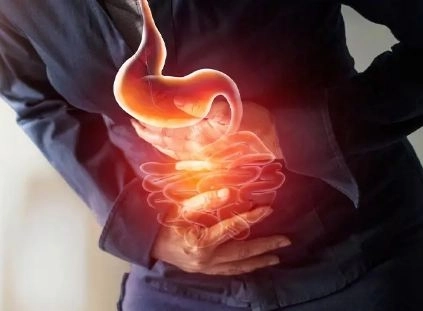
Gastrointestinal Tumors: Causes, Symptoms, and Modern Treatment Methods
Teryaq Center emphasizes that early diagnosis of gastrointestinal tumors is the most important step in increasing recovery rates and improving quality of life, especially with the significant advancements in modern diagnostic and treatment techniques.
Gastrointestinal tumors are among the most common types of cancer and include cancers of the stomach, colon, rectum, pancreas, liver, and esophagus. Studies show that these tumors may begin with mild symptoms similar to common digestive disorders, which makes it essential not to ignore any persistent or unusual symptoms.
What Are Gastrointestinal Tumors?
Teryaq Center explains that gastrointestinal tumors are cancers that affect any part of the digestive system, varying in severity and rate of spread depending on the type and stage of the tumor.
These include colorectal cancer, stomach cancer, liver cancer, pancreatic cancer, and esophageal cancer. Determining the exact type depends on precise diagnostic tests and biopsy analysis, as the cancer cell type determines the most appropriate treatment plan.
Causes of Gastrointestinal Tumors
Teryaq Center confirms that several risk factors may increase the likelihood of developing gastrointestinal tumors and should be taken seriously.
The most important causes include:
Smoking
Obesity and excess weight
Poor diet and low fiber intake
Family history of cancer
Chronic infections such as viral hepatitis
Adopting a healthy lifestyle significantly reduces the risk of developing these tumors, especially when combined with regular screening after the age of 50.
Symptoms of Gastrointestinal Tumors
Teryaq Center warns that symptoms vary depending on the tumor’s location but often appear similar in the early stages.
Common symptoms include:
Persistent or recurring abdominal pain
Unexplained weight loss
Changes in bowel habits such as chronic constipation or diarrhea
Difficulty swallowing
Blood in the stool
If any of these symptoms persist for an extended period, consulting a specialized physician promptly is essential.
Modern Diagnostic Methods
Teryaq Center stresses that accurate diagnosis relies on advanced and up-to-date techniques to precisely determine the stage of the disease.
Diagnostic tools include:
Gastrointestinal endoscopy
CT scans and MRI
Laboratory tests and tumor markers
Biopsy (tissue sampling)
Early diagnosis plays a crucial role in selecting the most effective treatment plan and improving outcomes.
Modern Treatment Options for Gastrointestinal Tumors
Teryaq Center explains that treatment depends on the tumor type, stage, and the patient’s overall health condition, with individualized treatment plans designed for each case.
Treatment options include:
Surgery to remove the tumor in early stages
Chemotherapy before or after surgery
Targeted therapy that precisely attacks cancer cells
Immunotherapy that enhances the body’s immune response against cancer
Recent medical advancements have significantly improved treatment results while reducing side effects.
Importance of Post-Treatment Follow-Up
Teryaq Center confirms that regular follow-up after completing treatment is a fundamental part of the recovery journey, as it helps detect any early recurrence of the disease.
Follow-up typically includes periodic tests, imaging studies, and maintaining a healthy, balanced lifestyle.
Prevention of Gastrointestinal Tumors
Teryaq Center emphasizes that prevention begins with modifying unhealthy daily habits and committing to routine screenings, especially for individuals with risk factors.
Key preventive measures include:
Eating a fiber-rich, healthy diet
Exercising regularly
Quitting smoking
Undergoing early detection and regular screenings