
Published on: 2026-03-01 | Written by: Dr. Noha Helmy Speech Therapy and Skills Center
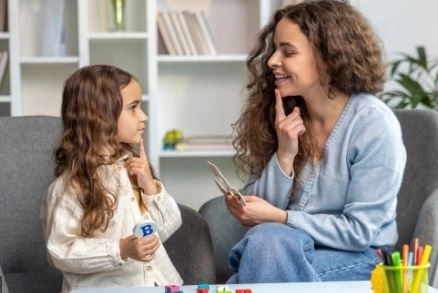
Speech therapy refers to the ability to communicate and express oneself verbally, and it is one of the essential skills for social and cognitive development in both children and adults.
Noha Helmy emphasizes that early intervention in speech problems using the latest methods ensures improved language abilities and increased self-confidence.
Speech therapy is the process through which language and speech are produced and understood, including:
Correct pronunciation of words.
Proper sentence formation.
Understanding language and social communication.
Noha Helmy states: "Speech is not just about pronouncing words; it is a comprehensive skill that includes understanding, expression, and social interaction. Early diagnosis of any delay is crucial to provide the appropriate treatment."
The most common causes of speech difficulties include:
Language delay in children: Due to genetic or environmental factors.
Brain injuries or accidents: Affecting areas controlling speech.
Hearing problems: Partial or total hearing loss affects language acquisition.
Speech disorders: Such as stuttering or difficulty pronouncing certain letters.
Neurological or developmental conditions: Such as autism or Down syndrome.
Noha Helmy emphasizes that accurately identifying the cause for each case helps to create an individualized and effective treatment plan.
Common symptoms include:
Difficulty pronouncing words or forming sentences.
Delay in speech development relative to age.
Difficulty understanding instructions or expressing ideas.
Reduced social communication or withdrawal in children.
Noha Helmy explains that early monitoring of these symptoms allows for timely intervention and better improvement in language skills.
Technological advancements have greatly enhanced the treatment of speech problems, including:
Individual therapy sessions and language correction: Training the child on proper pronunciation and expanding vocabulary.
Hearing assistive devices: To improve the child’s ability to acquire language.
Group interactive therapy: To enhance social communication and speech.
Computer programs and educational applications: To stimulate speech and develop language skills.
Noha Helmy confirms that using these modern methods increases therapy effectiveness and helps achieve faster and more lasting results.
Comprehensive evaluation of the child’s or person’s pronunciation and comprehension abilities.
Identify strengths and weaknesses and create an individualized treatment plan.
Conduct regular therapy sessions under the supervision of a speech therapist.
Monitor progress and adjust the plan based on response to treatment.
Noha Helmy emphasizes that following these steps with the latest methods ensures natural and sustainable speech improvement.
Read stories and engage in regular conversations with children to expand vocabulary.
Encourage the child to express feelings and ideas verbally.
Use interactive educational games to stimulate speech.
Practice patience and maintain continuous follow-up with the speech therapist.
Consult a doctor immediately if any significant delay or noticeable speech problems are observed.
Noha Helmy concludes: "Early attention to speech development is the best way to build strong language and social abilities, and using the latest therapy methods achieves the best results for both children and adults."