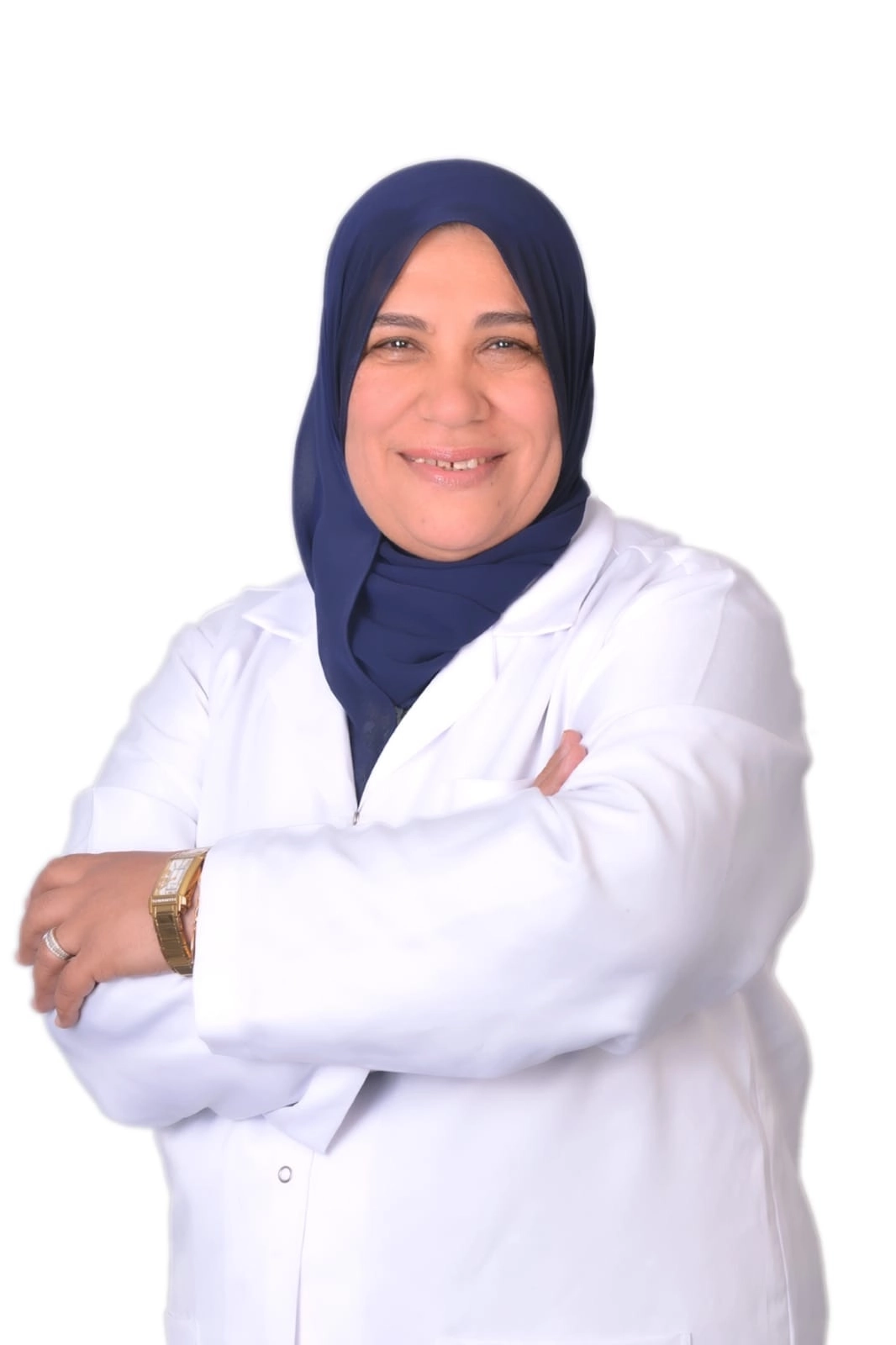

Published on: 2026-02-28 | Written by: Dr. Hassan Noman Salam, PhD in Obstetrics

Menstrual cycle disorders are among the most common health problems faced by women of all ages, affecting overall health and daily activities.
Dr. Hassan Naaman Salam emphasizes that using the latest devices in diagnosing and treating menstrual disorders increases diagnostic accuracy and helps establish an effective and rapid treatment plan.
Menstrual cycle disorders refer to any abnormal changes in the regularity, duration, or flow of menstrual bleeding, including:
Irregular cycles
Heavy or very light bleeding
Delayed or absent periods
Severe pain during menstruation
Dr. Hassan Naaman Salam states: "Early diagnosis of any menstrual disorder is essential to determine the cause and create an appropriate treatment plan, and modern devices make this process highly accurate."
The causes of menstrual disorders include:
Hormonal changes: Such as imbalances in thyroid hormones, progesterone, or estrogen.
Stress and psychological factors: May lead to delayed or irregular cycles.
Polycystic ovary syndrome (PCOS): Affects cycle regularity and causes additional symptoms.
Fibroids or uterine polyps: May cause heavy or irregular bleeding.
General health issues: Such as anemia or pituitary gland disorders.
Dr. Hassan Naaman Salam emphasizes that identifying the precise cause for each case helps select the most effective treatment and reduce complications.
Common symptoms include:
Severe pain or cramps before or during the period.
Heavy or intermittent bleeding.
Delay or early arrival of the period.
Fatigue due to blood loss.
Severe mood changes related to the menstrual cycle.
Dr. Hassan Naaman Salam stresses the importance of monitoring these symptoms and not ignoring them, as early intervention protects against complications like anemia or fertility issues.
Medical devices have evolved to help diagnose menstrual problems accurately and efficiently, such as:
3D and 4D ultrasound machines: Evaluate the uterus and ovaries and detect fibroids or polycystic ovaries.
Digital hormone testing devices: Measure estrogen, progesterone, and thyroid levels with high accuracy.
Advanced endoscopic devices: Examine the uterus and detect small tumors or polyps.
Dr. Hassan Naaman Salam confirms that using these modern devices allows for rapid and precise diagnosis, making it easier to select the best treatment method for each case.
Treatment depends on the cause and type of disorder, and includes:
Hormone-regulating drugs to correct imbalances.
Painkillers for cramps and discomfort.
Medications to reduce heavy bleeding or prevent clot formation.
Removal of fibroids or polyps using endoscopic techniques.
Precise surgical interventions in rare cases unresponsive to medication.
Dr. Hassan Naaman Salam emphasizes that combining accurate diagnosis with modern devices and appropriate treatment ensures effective results and prevents long-term complications.
Track menstrual cycles regularly using apps or health journals.
Maintain a balanced diet that supports hormonal health.
Engage in regular exercise to reduce stress and improve overall health.
Consult a doctor immediately if unusual symptoms or severe pain occur.
Dr. Hassan Naaman Salam concludes: "Taking care of menstrual health is not a luxury; it is essential for overall women’s health. Using modern devices for diagnosis and treatment ensures accurate, fast, and safe results."