

Published on: 2026-02-28 | Written by: Dr. Ahmed Maher Smile Era Dental Clinic
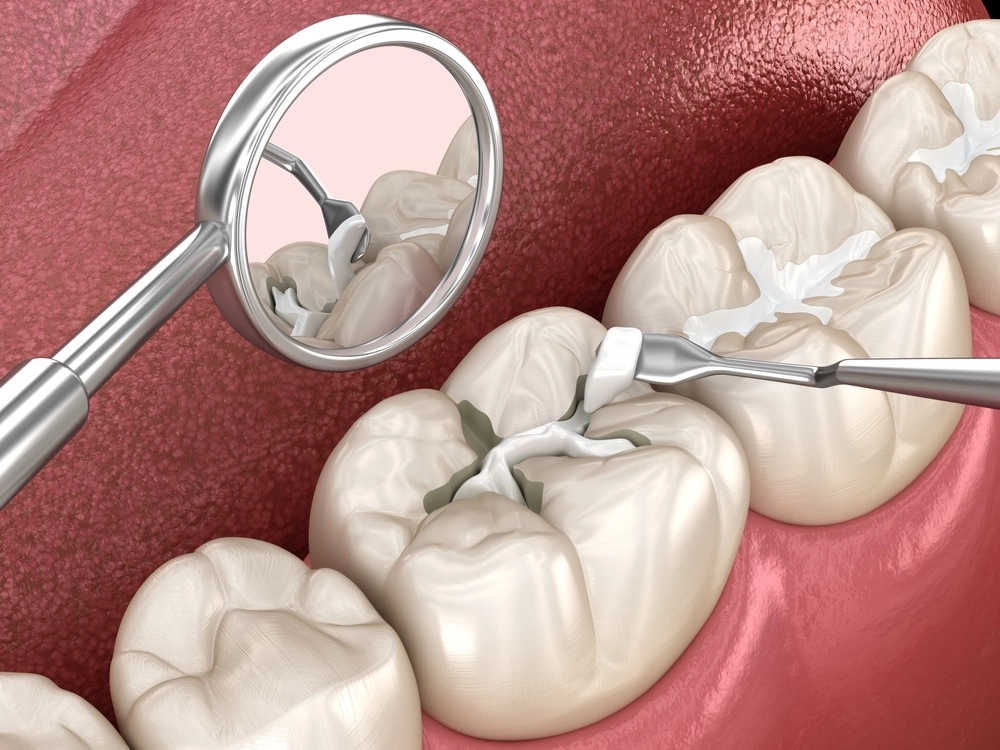
Dental Treatment and Fillings: The Essential Solution for Maintaining a Healthy and Strong Smile
Dental treatment and fillings are among the most important procedures that help preserve oral health and prevent the progression of tooth decay and its serious complications.
Neglecting cavities does not only cause pain, but may also lead to tooth loss over time, which is why early intervention is always recommended to preserve the natural tooth structure.
What Is Tooth Decay?
Dr. Ahmed Maher confirms that tooth decay is a gradual erosion of the tooth layers caused by bacterial buildup and acid production, and it may begin without noticeable symptoms.
Over time, decay can progress into deeper layers of the tooth, leading to sensitivity or pain when consuming hot or cold foods and drinks.
Early diagnosis plays a major role in treating the issue easily before it advances to more complicated stages.
The Importance of Treating Cavities Early
Dr. Ahmed Maher confirms that treating cavities in their early stages preserves the natural tooth and prevents the need for more complex procedures.
Early intervention reduces the risk of nerve inflammation or tooth fracture and helps maintain the aesthetic appearance of the smile.
The sooner treatment is performed, the better, faster, and more cost-effective the results will be.
Steps of Dental Treatment and Fillings
Dr. Ahmed Maher confirms that dental fillings are performed through precise steps that begin with accurate diagnosis and end with a restoration that maintains both the strength and appearance of the tooth.
First, the decayed portion is carefully removed while preserving as much healthy tooth structure as possible.
Then, the cavity is thoroughly cleaned and disinfected before placing the appropriate filling material to prevent bacteria from returning.
Types of Modern Dental Fillings
Dr. Ahmed Maher confirms that advancements in filling materials have significantly improved treatment outcomes in terms of durability and aesthetics.
Composite (tooth-colored) fillings are among the most commonly used options because they blend naturally with the tooth’s original color.
Other types may be used depending on the case, including glass-based fillings or temporary restorations in certain treatment stages.
Is Dental Filling Painful?
Dr. Ahmed Maher confirms that modern techniques and local anesthesia have made dental fillings a simple and comfortable procedure for most patients.
The session usually takes a short time, and patients typically do not feel pain during treatment.
Choosing an experienced dentist plays a key role in reducing anxiety and improving the overall treatment experience.
Signs You May Need a Dental Filling
Dr. Ahmed Maher confirms that there are clear signs indicating the presence of decay that requires prompt treatment.
Common symptoms include sensitivity to sweets or cold beverages and the appearance of dark spots on the teeth.
Pain while chewing may also indicate structural damage within the tooth.
The Difference Between a Filling and Root Canal Treatment
Dr. Ahmed Maher confirms that fillings are used in simple cases where decay is limited to the outer layers of the tooth.
Root canal treatment becomes necessary when decay reaches the pulp and causes internal infection.
This is why early detection greatly helps in avoiding more complex procedures.
Tips After Getting a Dental Filling
Dr. Ahmed Maher confirms that following post-treatment instructions helps maintain the results for a long time.
It is recommended to avoid hard foods for a few hours after the session to allow the filling to settle properly.
Maintaining good daily oral hygiene helps prevent future cavities.
How to Protect Yourself from Tooth Decay
Dr. Ahmed Maher confirms that prevention is the best way to maintain oral health and avoid repeated fillings.
Brushing twice daily with fluoride toothpaste reduces harmful bacterial activity.
Regular dental check-ups also help detect any issues at an early stage.