
Published on: 2026-02-26 | Written by: Dr. Youssef Al-Shitani, Physiotherapy Specialist
Manual Therapy and Dry Needling to Relieve Pain and Improve Muscle and Joint Mobility with Dr. Youssef El Shitany
Dr. Youssef El Shitany emphasizes that manual therapy and dry needling are among the most effective methods to relieve pain and improve muscle and joint mobility. Dr. Youssef confirms that combining these techniques with physiotherapy programs enhances recovery and reduces reliance on medications.
What is Manual Therapy?
Dr. Youssef El Shitany explains that manual therapy involves precise movements of joints and muscles to relieve tension and improve range of motion. He emphasizes that manual therapy is used to treat herniated discs, neck and back pain, and chronic muscle spasms, focusing on long-term results.
Dry Needling and How It Works
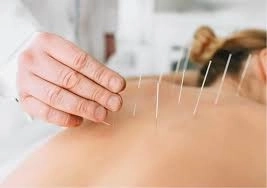
Dr. Youssef El Shitany confirms that dry needling stimulates tight muscle points to relieve pain and improve blood circulation. He points out that dry needling effectively treats muscle tightness, shoulder, knee, and lower back pain without surgical intervention.
Benefits of Manual Therapy and Dry Needling
Dr. Youssef El Shitany emphasizes that the benefits include improved flexibility, strengthened muscles, relief from chronic pain, and faster recovery after sports injuries. He confirms that combining manual therapy with dry needling produces faster results compared to traditional physiotherapy alone.
Cases Suitable for Treatment
Dr. Youssef El Shitany explains that manual therapy and dry needling are suitable for herniated discs, joint osteoarthritis, muscle inflammation, sports injuries, and chronic muscle spasms. He emphasizes the importance of individually evaluating each case to create a customized treatment plan for optimal results.
How to Combine with Physiotherapy
Dr. Youssef El Shitany confirms that combining manual therapy and dry needling with physiotherapy programs, strengthening exercises, and flexibility routines achieves the best results for patients. He points out that this approach helps enhance mobility, reduce pain, and improve patients’ daily quality of life.