
Published on: 2026-02-26 | Written by: Dr. Mohamed El-Shitani Specialist in Oral Surgery
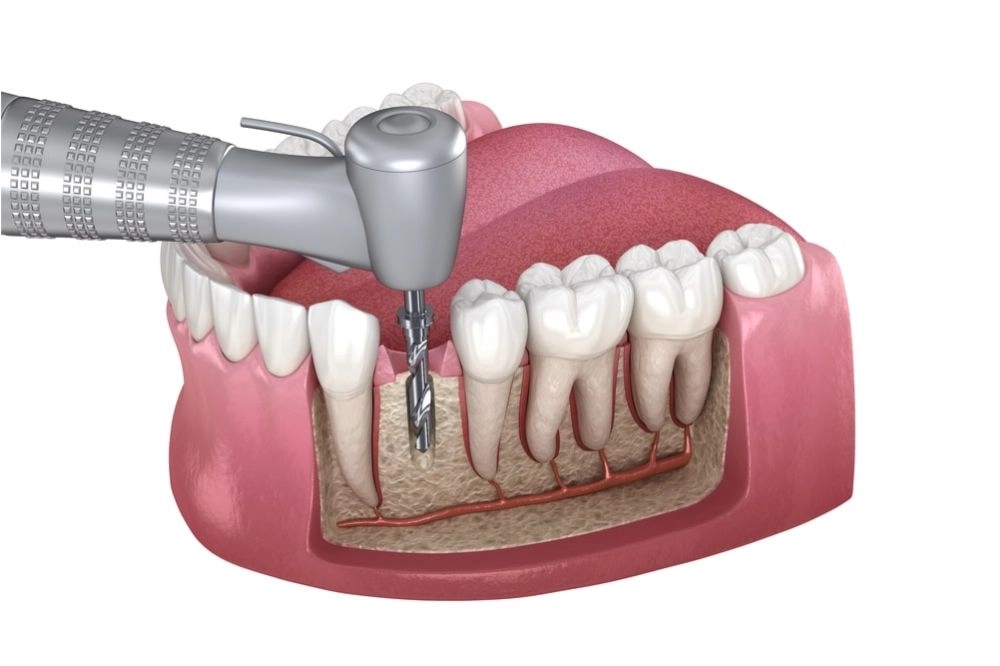
Root canal treatment is one of the essential procedures in dentistry, aimed at preserving the tooth and preventing its loss due to deep decay or infections.
Dr. Mohamed El Shitani emphasizes that using the latest equipment in root canal treatment increases accuracy, reduces pain, and promotes faster healing.
Root canal treatment, also known as endodontic therapy, is a medical procedure that removes infected or inflamed tissue inside the tooth roots, thoroughly cleans the canals, and then fills them to protect the tooth and maintain its natural function.
Dr. Mohamed El Shitani states: "Root canal treatment is not just filling; it is a precise process that requires modern devices to ensure every canal is cleaned and prevent future infections."
Root problems often result from:
Deep tooth decay: Reaching the tooth pulp and causing nerve inflammation.
Tooth fractures: Which may lead to root infections.
Direct trauma: Impact on the tooth affecting the nerve.
Chronic gum disease: Infections that spread to the tooth roots.
Common symptoms include:
Severe, persistent tooth pain, especially when chewing or applying pressure.
High sensitivity to hot or cold temperatures.
Swelling and redness in the surrounding gum.
Sometimes pus or an abscess around the tooth.
Dr. Mohamed El Shitani emphasizes that early detection of infection increases treatment success and preserves the tooth for as long as possible.
Modern technology has significantly improved root canal treatment results. Key devices include:
Electronic apex locators: Accurately determine the root length to avoid errors during treatment.
Dental microscopes: Provide magnified vision for precise cleaning of small canals.
Rotary canal shaping tools: Reduce treatment time and enhance canal cleaning.
3D digital X-ray machines: Allow detailed visualization of roots before and after treatment.
Dr. Mohamed El Shitani confirms that relying on these modern devices ensures safe and fast treatment, reducing the chances of complications or secondary infections.
Assess the condition using X-rays and necessary tests.
Thoroughly clean the canals with modern, sterilized instruments.
Remove any infected or inflamed tissue.
Fill the canals with a suitable material to protect the tooth.
Place a filling or crown to restore the tooth’s function and appearance.
Dr. Mohamed El Shitani emphasizes that following all these steps with the latest equipment guarantees a high success rate and preserves the tooth for many years.
Avoid chewing hard foods on the treated tooth for a few days.
Follow the dentist’s instructions carefully regarding oral hygiene and gum care.
Consult the dentist if severe pain or swelling occurs after treatment.
Maintain proper oral hygiene to prevent future decay or infection.
Dr. Mohamed El Shitani concludes: "Good post-treatment care combined with modern technology is the key to successful root canal therapy and restoring complete oral health."