
Published on: 2026-02-25 | Written by: ELmoltaqaa , a natural therapy clinic run by Dr. Iyad Ashour
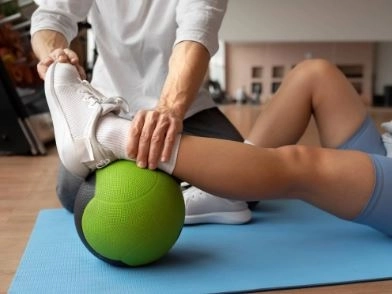
Sports injuries are among the most common problems faced by athletes, whether professional or amateur, and they directly affect physical performance and the ability to return to sport quickly and safely.
Dr. Eyad Ashour emphasizes that proper rehabilitation after an injury is the most important factor in ensuring the athlete returns to full fitness and reduces the risk of re-injury.
Sports injury rehabilitation is a comprehensive treatment program aimed at restoring the functional ability of muscles and joints after sports injuries. It includes strengthening muscles, improving flexibility, and regaining balance and coordination.
Dr. Eyad Ashour states: "Sports rehabilitation is not just exercises after an injury; it is a precise treatment plan that helps the athlete return to the field safely and efficiently."
Sports injuries can result from several factors, including:
Overuse: Intensive training without adequate rest strains muscles and joints.
Direct injuries: Collisions with opponents or falls during play.
Improper footwear and equipment: Increase the risk of sprains and muscle strains.
Poor warm-up and preparation: Unprepared muscles are more prone to injury.
The most common injuries among athletes include:
Ligament tears: Especially in the knee and ankle.
Muscle strains or tears: Often in the thigh or calf.
Joint sprains: Particularly the ankle and knee.
Fractures: Due to falls or direct impact.
Bruises and contusions: Affect performance and cause localized pain.
Dr. Eyad Ashour emphasizes that early identification of the type of injury is crucial to determine the appropriate rehabilitation plan and avoid complications.
Rehabilitation follows specific stages to ensure safe recovery of movement functions:
Use ice packs to reduce swelling.
Relative rest to prevent further damage.
Light exercises to gradually restore mobility.
Therapeutic devices such as ultrasound and electrical muscle stimulation.
Balance and stability training.
Gradual resistance training.
Stretching exercises to enhance flexibility and prevent cramps.
Training that mimics actual sports movements.
Monitoring performance to ensure muscles and joints are fully ready.
Dr. Eyad Ashour emphasizes that following each stage of rehabilitation reduces the risk of reinjury and ensures the athlete returns to peak performance safely.
Always warm up before exercise and stretch afterward.
Use proper footwear and sports equipment suitable for each sport.
Follow a balanced training program and avoid overuse.
Maintain proper nutrition to support muscle and joint health.
Consult a doctor immediately if severe pain or swelling occurs.
Dr. Eyad Ashour concludes: "Prevention is a key part of athletic performance, and proper rehabilitation after injury ensures a safe and effective return to the field without complications."