
Published on: 2026-02-19 | Written by: Dr Mahmoud Al Dodd cosmetic dentistry orthodontics
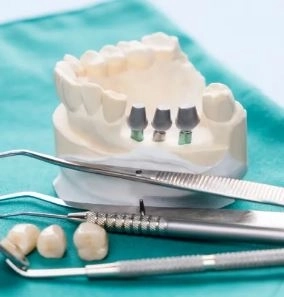
Fixed and removable dental prosthetics are among the most important solutions in dentistry for replacing missing or damaged teeth and enhancing the appearance of the mouth and smile.
Dr. Mahmoud Eldad confirms that choosing the appropriate type of prosthetic depends on the condition of the teeth, the number of missing teeth, and the patient’s individual needs to ensure the best functional and aesthetic results.
Fixed prosthetics: Include crowns and bridges that are permanently attached to teeth or implants and cannot be removed by the patient.
Removable prosthetics: Include partial or full dentures that the patient can remove and place freely, usually used to replace a larger number of missing teeth.
Dr. Mahmoud Eldad notes that both types have unique benefits, and the most suitable option is selected based on a thorough medical evaluation.
Tooth loss due to decay or accidents
Broken or worn natural teeth
Improving chewing function and speech
Enhancing the cosmetic appearance of the smile
Dr. Mahmoud Eldad emphasizes that a comprehensive assessment before prosthetic placement helps in selecting the optimal and long-lasting solution.
The benefits of fixed and removable prosthetics include:
Restoring natural chewing function and speech
Enhancing the aesthetic appearance of the smile and boosting self-confidence
Maintaining the position of adjacent teeth and preventing their shifting
Supporting oral and gum health
Long-lasting results when daily care is maintained
Dr. Mahmoud Eldad stresses that proper placement and regular check-ups are key to achieving a natural and healthy smile.
Assessment and Planning: Comprehensive examination of teeth and mouth, including necessary X-rays.
Preparation of Teeth or Implants: Removing damaged parts or preparing implants for fixed prosthetics.
Taking Measurements: Ensuring the prosthetic fits and aligns with surrounding teeth.
Prosthetic Placement: Accurately fitting crowns, bridges, or removable dentures.
Regular Follow-Up: Ensuring proper fit and the health of gums and surrounding teeth.
Dr. Mahmoud Eldad confirms that precision at each stage ensures optimal results and long-lasting prosthetic function.
Maintain oral hygiene with daily brushing and flossing
Visit the dentist regularly to monitor prosthetic condition
Avoid biting hard objects that could damage the prosthetic
Follow all medical instructions to preserve the prosthetic for as long as possible
Dr. Mahmoud Eldad notes that adhering to these guidelines ensures prosthetic longevity and maintains a healthy, beautiful smile.