Published on: 2026-02-18 | Written by: Dr Ahmed Fathallah Consultant of Liver and Digestive
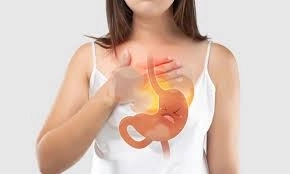
Gastroesophageal reflux and chronic heartburn are among the most common digestive system disorders, directly affecting daily comfort and overall quality of life. Understanding their causes, symptoms, and modern treatment methods is essential to prevent serious complications.
The Importance of Early Diagnosis of Acid Reflux
Dr. Ahmed Fathallah confirms that early diagnosis of heartburn and acid reflux is crucial to avoid complications such as esophagitis or erosion of the stomach lining, and recognizing symptoms early allows for more effective treatment.
Multiple Causes of Heartburn
Dr. Ahmed Fathallah stresses that gastroesophageal reflux and chronic heartburn may result from increased stomach acid, obesity, smoking, consuming spicy or fatty foods, or weakness of the valve separating the stomach and esophagus, making evaluation by a specialist essential to determine the exact cause.
Common Symptoms of Acid Reflux
Dr. Ahmed Fathallah explains that reflux symptoms include frequent heartburn, chest burning, a bitter taste in the mouth, difficulty swallowing, and sometimes coughing or chronic throat irritation, requiring careful monitoring by a gastroenterologist.
Complications of Ignoring Treatment
Dr. Ahmed Fathallah warns that neglecting treatment for reflux may lead to complications such as esophagitis, esophageal narrowing, stomach ulcers, or even potential changes in the cells of the esophageal lining, requiring immediate medical attention when symptoms appear.
The Significant Impact of Lifestyle
Dr. Ahmed Fathallah confirms that lifestyle modifications play a vital role in reducing heartburn, including weight control, eating small and frequent meals, avoiding lying down immediately after eating, and quitting smoking and alcohol.
The Role of Nutrition in Treatment
Dr. Ahmed Fathallah stresses that proper nutrition helps control heartburn. Patients are advised to avoid fried and spicy foods, coffee, chocolate, and acidic foods while increasing the intake of vegetables and grains to minimize symptoms.
Medication Options
Dr. Ahmed Fathallah explains that treatment may include antacids, proton pump inhibitors, and sometimes medications that improve stomach motility. Following the doctor’s prescription precisely is essential to reduce symptoms and prevent worsening of heartburn.
Cases Requiring Surgical Intervention
Dr. Ahmed Fathallah warns that severe cases of reflux that do not respond to medication may require surgical intervention, such as valve correction surgery, which is determined after a comprehensive evaluation by a gastroenterologist.
The Importance of Continuous Follow-up
Dr. Ahmed Fathallah confirms that regular follow-up with a gastroenterologist helps adjust treatment, assess any potential complications, and ensure that dietary and lifestyle measures are effective in controlling chronic heartburn.