Published on: 2026-02-12 | Written by: Dr. Hisham Yousry Abu Rahma, of Neurosurgery
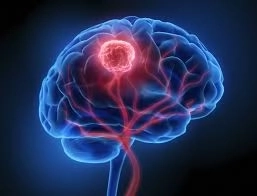
Dr. Hesham Abu Rahma confirms that brain tumor surgery using the surgical microscope represents a major advancement in the precision of tumor removal.
This technique emphasizes the importance of magnifying neural tissues to visualize the finest details during the procedure.
Microsurgical techniques clarify the significant difference between this approach and traditional surgery in terms of safety and reduced complications.
Specialists warn that preserving the healthy tissues surrounding the tumor is a top priority during surgical intervention.
Dr. Hesham Abu Rahma stresses that accurate diagnosis is the foundation for the success of brain tumor surgery.
Advanced investigations such as MRI confirm the exact size and location of the tumor with high precision.
Neurological evaluations clarify the impact of the tumor on vital brain functions.
Proper preoperative preparation warns of potential risks and helps minimize complications during surgery.
Dr. Hesham Abu Rahma confirms that using the surgical microscope allows tumor removal with the highest degree of accuracy.
Modern techniques emphasize reducing blood loss during surgery thanks to enhanced magnified visualization.
Surgical navigation systems clarify their role in determining a safe pathway to access the tumor.
The medical team warns that precise control of surgical instruments minimizes the risk of damaging healthy tissues.
Dr. Hesham Abu Rahma stresses that microsurgery significantly reduces postoperative complications.
Medical outcomes confirm that recovery time is faster compared to traditional surgical methods.
Studies clarify that postoperative pain is usually less due to the minimally invasive nature of the procedure.
Adhering to medical instructions after surgery warns of potential setbacks and plays a crucial role in accelerating recovery and achieving optimal results.
Dr. Hesham Abu Rahma confirms that regular follow-up after surgery is essential to detect any early changes.
Periodic imaging emphasizes ensuring complete tumor removal and monitoring for recurrence.
Neurological rehabilitation programs clarify the importance of restoring motor or functional abilities if they were affected before surgery.
Cooperation between the neurosurgeon and the oncology team warns of the need for an integrated treatment plan to maintain the patient’s long-term health.