
Published on: 2026-02-09 | Written by: Dr. Mark Atef Tadri Orthopedic Surgeon
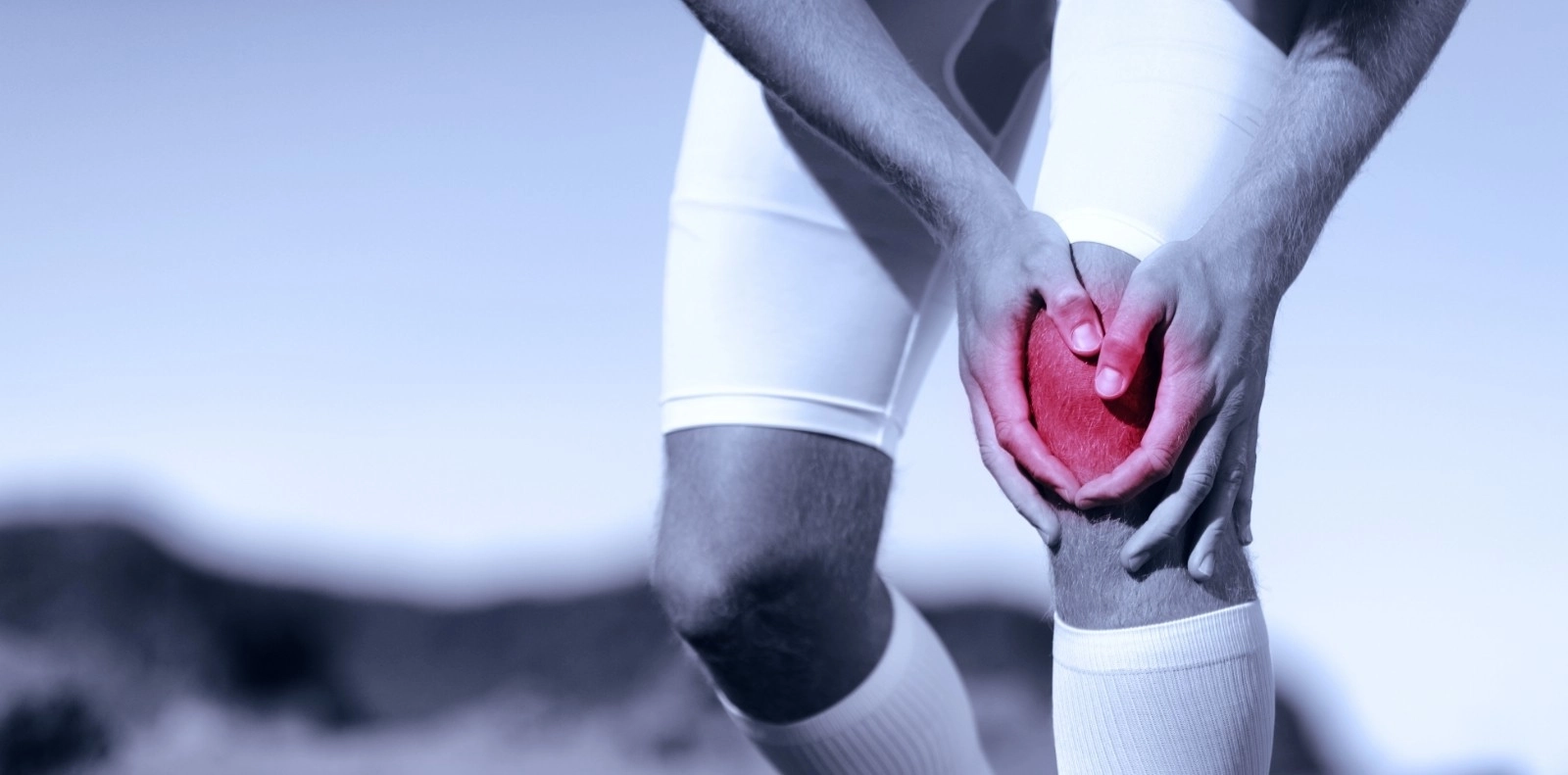
Sports injuries are among the most common health problems affecting athletes, whether professionals or amateurs. They usually result from excessive physical effort, incorrect movements, or direct impact during sports activities. If not managed properly, these injuries can negatively affect athletic performance and overall quality of life.
Dr. Mark Atef Tadry emphasizes that early diagnosis and proper treatment are the key factors for a safe and rapid return to sports.
Sports injuries are injuries that affect:
Muscles
Ligaments
Tendons
Bones
Joints
They often occur during training sessions or competitions due to overuse, sudden movements, collisions, or falls.
Dr. Mark Atef Tadry points out that some injuries are minor and resolve quickly, while others may require long-term treatment and intensive rehabilitation.
There are several causes of sports injuries, including:
Inadequate warm-up before exercise
Incorrect or aggressive movements
Muscle overuse and fatigue
Poor physical fitness
Using improper equipment or footwear
Lack of adequate rest between training sessions
Dr. Mark Atef Tadry confirms that ignoring these factors significantly increases the risk of recurrent injuries.
Sports injuries include several common types, such as:
Muscle strains and tears
Joint sprains
Ligament injuries (such as ACL tears)
Cartilage injuries
Bone fractures
Muscle bruises
Dr. Mark Atef Tadry stresses that accurate identification of the injury type is essential for selecting the appropriate treatment plan.
Symptoms vary depending on the type and severity of the injury and may include:
Sharp or persistent pain
Swelling or bruising
Limited range of motion
Muscle weakness
A popping or cracking sound at the time of injury
Dr. Mark Atef Tadry warns that athletes should stop playing immediately when pain occurs to prevent worsening the injury.
Diagnosing sports injuries depends on:
Clinical physical examination
X-ray imaging
Magnetic Resonance Imaging (MRI)
CT scans
Ultrasound examinations
Dr. Mark Atef Tadry confirms that accurate diagnosis is the most important step to avoid improper treatment or premature return to sports.
Treatment varies according to the type and severity of the injury and may include:
Rest and activity modification
Cold compresses
Anti-inflammatory medications
Medical braces or supports
Muscle strengthening exercises
Flexibility improvement
Joint rehabilitation programs
In severe cases such as complete ligament tears or complex fractures.
Dr. Mark Atef Tadry emphasizes that adherence to rehabilitation programs helps prevent reinjury and restores strength and athletic performance.
To prevent sports injuries, it is recommended to:
Perform proper warm-up before exercise
Gradually increase training intensity
Use appropriate sports equipment and footwear
Allow sufficient rest and recovery time
Strengthen core and stabilizing muscles
Follow up regularly with a sports medicine specialist
Dr. Mark Atef Tadry confirms that prevention is always better than treatment, especially for professional athletes.
Medical consultation is necessary if:
Pain persists for several days
Swelling or bruising increases
There is difficulty moving the injured area
The same injury keeps recurring