
Published on: 2026-02-04 | Written by: Dr. Nesma Yousry Khalil Oncology Treatment
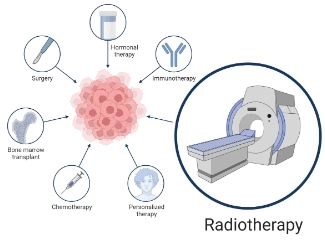
Chemotherapy and radiation therapy are among the fundamental pillars of cancer treatment, as they help eliminate cancer cells and prevent tumor growth or spread to other parts of the body.
Dr. Nesma Yousry Khalil confirms that choosing the appropriate type of treatment depends on the cancer type, disease stage, and patient’s overall health, and that combining both therapies in some cases enhances treatment effectiveness.
Chemotherapy involves using powerful medications to destroy cancer cells and prevent them from dividing and growing.
Dr. Nesma Yousry Khalil explains that chemotherapy can be used as:
Primary treatment: to directly target the tumor
Adjuvant treatment: after surgery to prevent cancer recurrence
Preventive treatment: to reduce the risk of cancer spreading to other organs
Radiation therapy uses high-energy rays to destroy cancer cells with precision while preserving healthy tissues as much as possible.
Dr. Nesma Yousry Khalil notes that radiation can be used to:
Treat localized tumors
Shrink tumor size before surgery
Reduce symptoms caused by advanced tumors
The key benefits of these treatments include:
Directly targeting and killing cancer cells
Preventing tumor growth or spread
Improving recovery chances after surgery
Reducing pain and other cancer-related symptoms
Increasing survival time and improving quality of life
Dr. Nesma Yousry Khalil emphasizes that adherence to the treatment plan and regular follow-up are essential to achieving the best outcomes.
Chemotherapy and radiation therapy may have temporary side effects, including:
Fatigue and exhaustion
Partial or total hair loss
Nausea and loss of appetite
Skin irritation or redness in the radiation area
Weakening of the immune system
Dr. Nesma Yousry Khalil explains that most of these side effects can be managed with supportive care and close medical supervision.
To achieve optimal results and minimize side effects, patients should:
Undergo comprehensive pre-treatment tests
Discuss medical history and current medications with the doctor
Follow a healthy and balanced diet
Ensure adequate rest and sleep
Follow the physician’s instructions before, during, and after each session
Dr. Nesma Yousry Khalil confirms that proper preparation plays a crucial role in the success of treatment and in reducing complications.
Eat small, nutrient-rich meals
Drink plenty of water to stay hydrated
Avoid contact with individuals with infections
Perform light exercises as recommended by the doctor
Maintain psychological and family support
Dr. Nesma Yousry Khalil notes that emotional support and adherence to the treatment regimen enhance recovery chances and reduce the impact of therapy on daily life.